
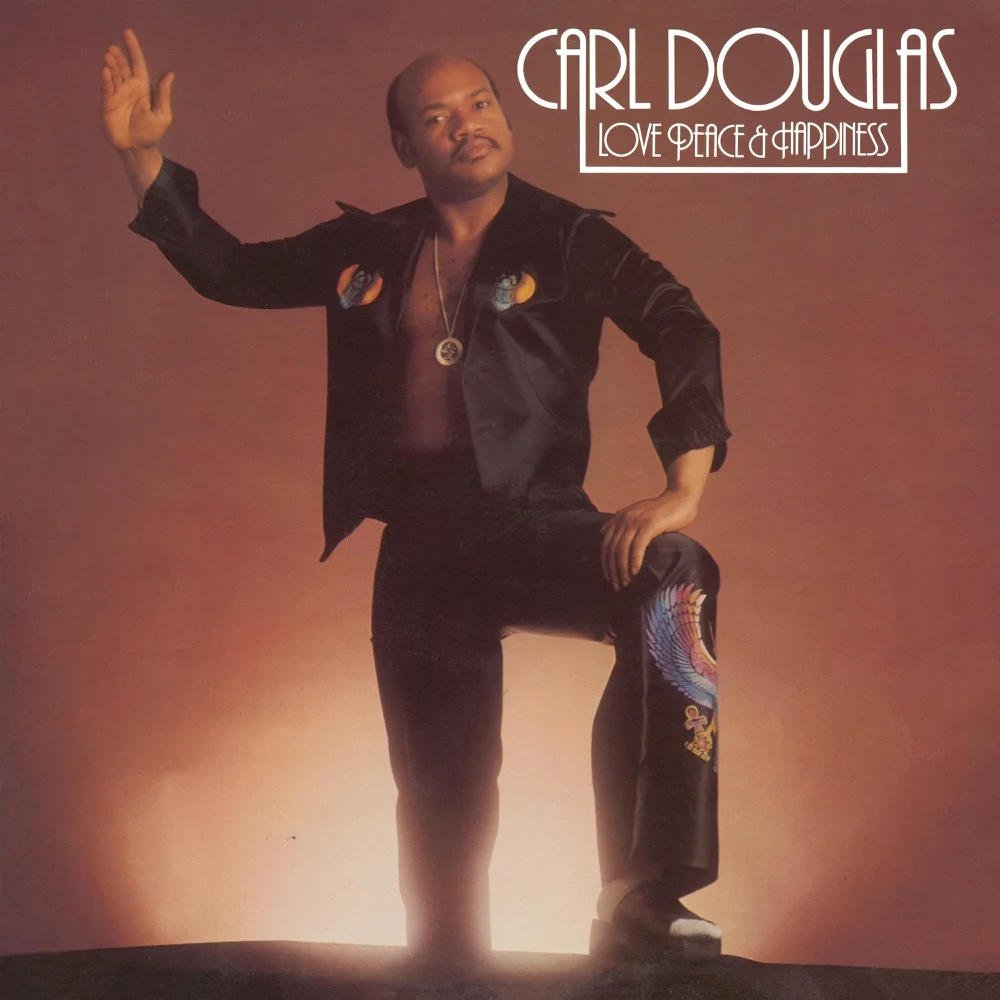
Mastering the Funk Groove
"Shanghai'd" is a dynamic soul-disco track released by Carl Douglas in 1974, following his massive hit "Kung Fu Fighting." While it shares the energetic production of its predecessor, this song demands a different set of vocal skills. It combines storytelling verses with explosive choruses, all set against a driving funk bassline.
To sing this well, you need to lock into the rhythm. The vocal delivery sits right in the pocket of the beat. It requires a confident chest voice and the ability to project emotion without losing the groove. Let's break down exactly how to tackle it, section by section.
AI Coach Tip: Watch Your Diction
Because the tempo is upbeat, singers often slur the lyrics in the verses. Our analysis shows that crisp consonant articulation improves your rhythm score significantly. Treat the verses almost like rhythmic speech.
Phase 1: The Storytelling Verse
The song begins with a narrative: "I was drinking in a tavern..." This section sits in a comfortable mid-range for most Baritones. The challenge here is character. You are telling a story of being tricked, so inject some grit and attitude into your tone.
The Trap: Don't sing this too "legato" or smooth. This is funk. Keep your phrasing short and punchy to match the staccato nature of the instrumentation.
Phase 2: The Explosive Chorus
When the chorus hits ("Shanghai'd!"), the energy needs to spike immediately. This title line is belted and requires good breath support. You are expressing shock and outrage at the situation in the lyrics.
- The Attack: Hit the "Sh" in "Shanghai'd" hard. This percussive start helps you land on the beat.
- Resonance: Aim for a forward, bright placement (mask resonance). This ensures your voice cuts through the heavy brass and bass mix.
- Endings: Cut the notes off cleanly. Do not drag them out, or you will fall behind the beat for the next line.
Phase 3: The Bridge & Ad-libs
As the song progresses, Douglas introduces more soulful ad-libs. This is where you can loosen up and show some vocal flair. However, maintain the intensity. The vocal melody moves between G3 and G4, often utilizing a blues scale.
To hit the higher belts without strain, engage your core support. Think of the sound coming from your diaphragm rather than your throat. This "support" gives you the power needed for disco vocals.
Frequently Asked Questions
The highest belted chest-voice notes generally hit around G4. There may be ad-libs that go slightly higher depending on the version, but G4 is the core target.
Yes, the range is not excessive. The main challenge is rhythmic accuracy. If you can keep time and have good breath control, you can sing this track.
Use the Singing Coach AI app to slow the track down to 75% speed. Practice enunciating the lyrics clearly at a slower tempo, then gradually speed it back up.