The Art of the "Croon"
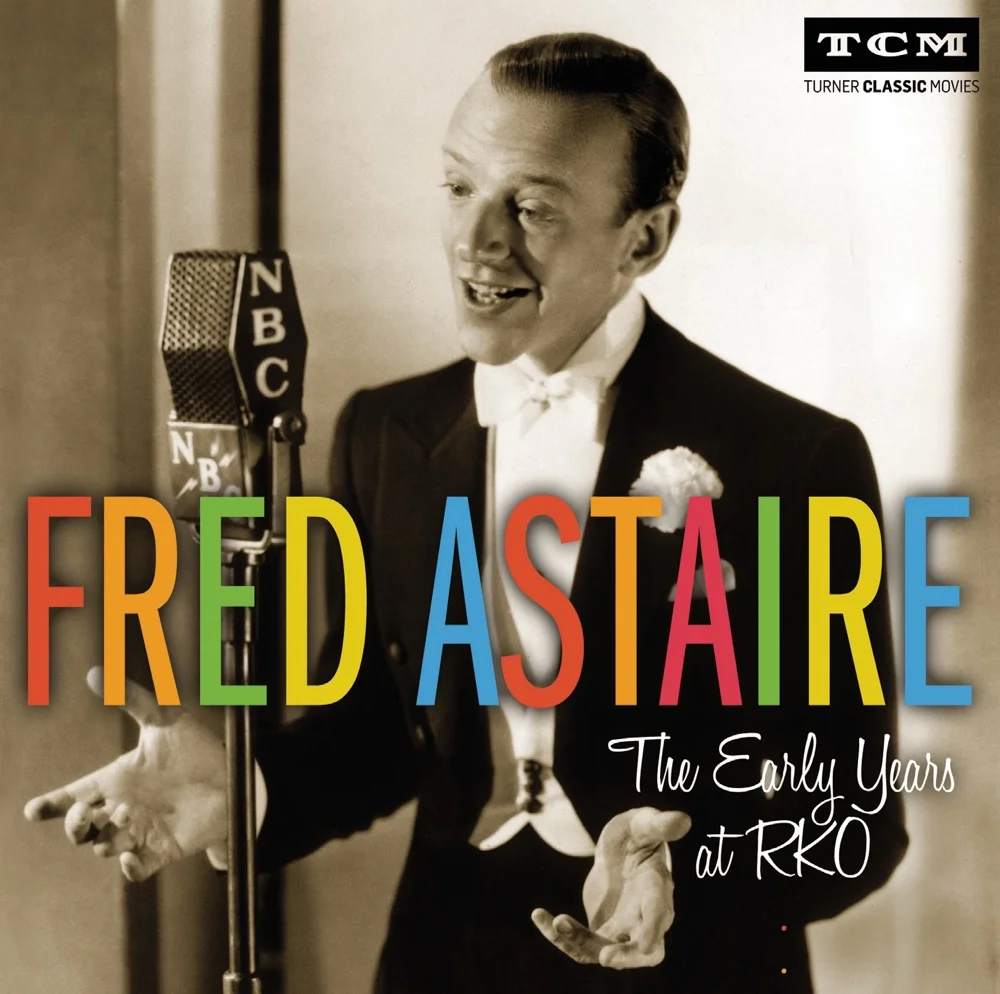
Shall We Dance is a quintessential George Gershwin classic, immortalized by Fred Astaire in the 1937 film. Unlike modern pop songs that rely on power belts and runs, this track is a masterclass in subtlety, rhythm, and charm. Astaire was a dancer first, and his singing style reflects that—it flows effortlessly, often sitting "in the pocket" of the beat.
To sing this well, you need to abandon the need for volume and focus entirely on tone and storytelling. You are inviting the listener to dance, so the delivery must be smooth, inviting, and sophisticated.
AI Coach Tip: Less is More
Our data shows users often sing the verses too aggressively. Keep your volume at a conversational level (speech-level singing). The microphone loves intimacy, not shouting.
Phase 1: The Verse (Conversational Style)
Astaire often treated the verse as a melodic conversation. The range here is low and comfortable for most Baritones. Focus on clear, crisp diction. Every "t" and "d" should be articulated without being explosive.
The Trap: It's easy to sound bored if you don't use dynamic variation. Use slight swells in volume on key words to keep the narrative moving forward without raising the pitch excessively.
Phase 2: The Chorus (Legato & Flow)
When the famous chorus hits—"Shall we dance, on a bright cloud of music"—the singing style must shift to legato (smooth and connected). Do not chop up the words. Imagine the melody is a single long ribbon that you are unspooling.
- Rhythm: Astaire drags slightly behind the beat (back-phrasing) to create a relaxed, cool feel. The AI Coach measures your rhythmic offset to see if you are rushing.
- Vowels: Keep vowels tall and rounded ("Dance" should sound like "Dahnce") to mimic the classic mid-Atlantic accent of the 1930s.
Phase 3: The Light Vibrato Finish
As you sustain the final notes, introduce a gentle, fast vibrato at the very end of the phrase. This is a signature of the era. It shouldn't be a heavy operatic wobble, but a shimmering finish to the tone.
Breath control is vital here. You want to finish the phrase "shall we dance?" with enough air to make it sound effortless, as if you aren't trying at all.
Frequently Asked Questions
The melody typically peaks around an F4 (or Eb4 depending on the key). It is very accessible for male voices without needing to falsetto.
Yes! While Fred Astaire was a Baritone, Tenors sound great on this track. You may want to transpose it up +2 semitones in the Singing Coach AI app to make the low notes shine more.
Listen to the hi-hat or the brush snare in the backing track. Astaire locks into the swing feel. Try snapping your fingers on beats 2 and 4 while singing to internalize the groove.