The Anthem of the Feria
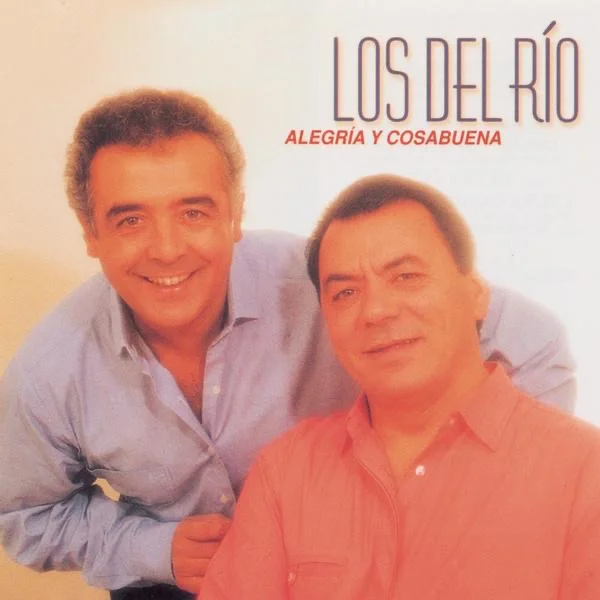
"Sevilla Tiene Un Color Especial" is more than just a song by Los Del Rio; it is the unofficial anthem of Seville and the Feria de Abril. While the duo is globally famous for the "Macarena," this track represents the heart of the Sevillanas genre—a folk style characterized by its 3/4 rhythm, dance structure, and vibrant storytelling.
To sing this correctly, you must embody the joyful spirit ("alegría") of Andalusia. It's not about perfect operatic technique, but rather rhythm, diction, and projection. Let's break down how to capture that special color.
AI Coach Tip: The "Aspirated S"
To sound authentic, you cannot pronounce standard Castilian Spanish. In Andalusia, the 's' at the end of syllables is often aspirated (breathed out) or dropped. "Los dos" sounds more like "Loh doh". The AI Coach listens for this specific dialect nuance.
Phase 1: The Verse (Estrofa)
The verses move quickly. They are conversational but rhythmic. You are telling a story about the city, the people, and the atmosphere. The key here is not to drag the tempo.
The Trap: Getting tongue-tied. The lyrics are dense. Practice speaking the lyrics slowly to a metronome before trying to sing them. The phrasing is legato but percussive.
Phase 2: The Chorus (Estribillo)
This is the moment everyone knows: "Sevilla tiene un color especial..." The melody lifts here. It sits comfortably in the middle chest register for Baritones and Tenors.
- Especial: Don't clip this word. Give it a full value, but keep the rhythm tight.
- Gente: When singing "Sevilla sigue teniendo su duende," feel the warmth in the lower notes.
- Olé: If you add ad-libs or "olés," throw them from the diaphragm, not the throat.
Phase 3: The Groove (Compás)
This song is a Sevillana, which relates closely to Flamenco rhythms. The guitar strumming pattern is constant. Your vocals must lock into this grid. If you are late, the energy dies instantly.
Think of your voice as another percussion instrument. Emphasis falls heavily on the first beat of the measure. Keep your chest voice dominant; head voice is rarely used in this style.
Frequently Asked Questions
The melody generally tops out around an E4 or F4, making it very accessible for most male voices without needing to falsetto.
It helps, but phonetics are key. The Singing Coach AI app breaks down the lyrics phonetically so you can learn the pronunciation even if you don't speak the language.
Yes. If the low notes in the verses are too muddy, you can transpose the track up +1 or +2 semitones using the Singing Coach AI app for a brighter sound.