
Mastering the Folk-Rock Rumble
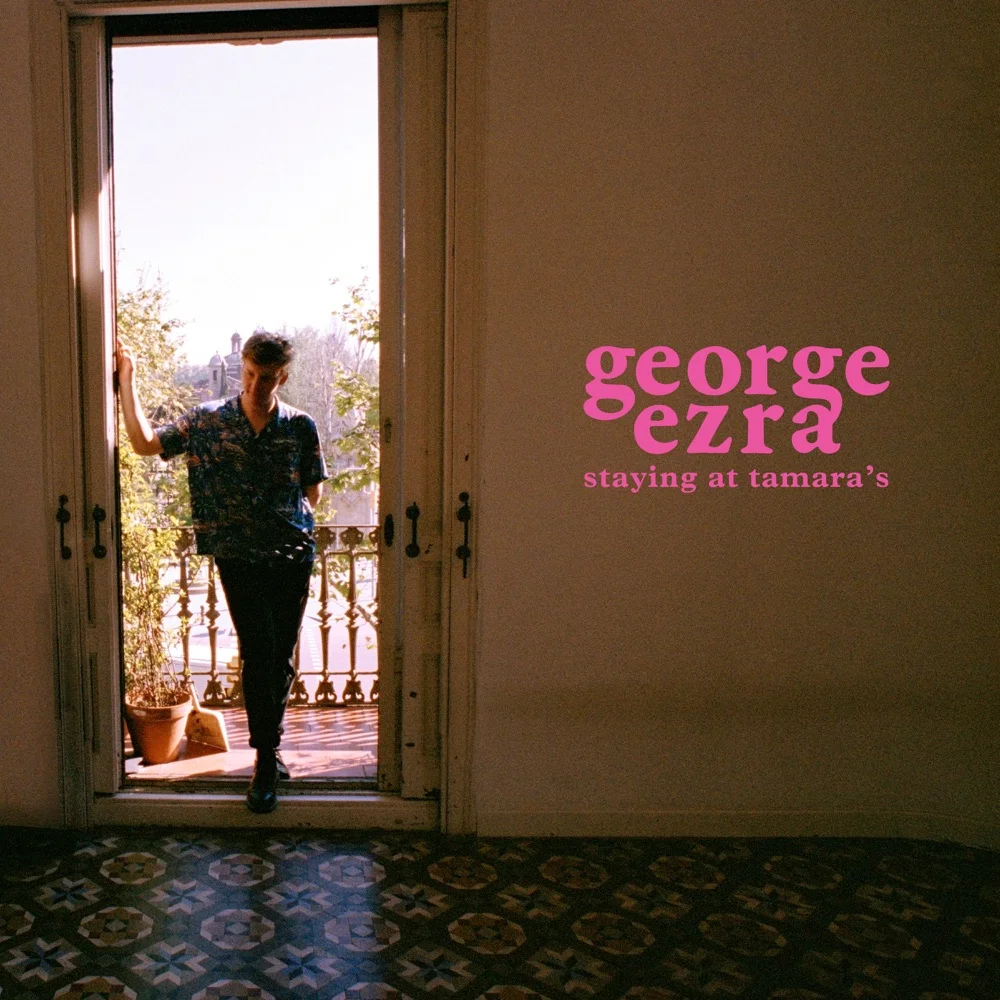
Saviour is a standout track from George Ezra's album Staying at Tamara's. Unlike many pop songs that sit in a high tenor range, this song is a masterclass for Baritones and Basses. It relies on a driving, percussive vocal delivery and a rich, resonant low end.
The song features a collaboration with First Aid Kit, adding complex harmonies, but the lead vocal line is pure Ezra: deep, rhythmic, and soulful. To sing this well, you need to prioritize chest resonance and diction over range extension.
AI Coach Tip: Watch Your Breath
The verses in Saviour move quickly with very few pauses. Our analysis shows users often run out of air before the end of the phrase. Plan your "catch breaths" quickly between lines to maintain the rhythmic momentum.
Phase 1: The Verses (The Low End)
The verses sit comfortably in the G2 to D3 range. This is the "money zone" for baritones. The key here is not to push the sound down into your throat, which causes vocal fry, but to keep the sound forward in the chest.
The Trap: Because the notes are low, singers often swallow the lyrics. George Ezra sings with very specific enunciation. Practice speaking the lyrics in time with a metronome before adding the melody to ensure your diction cuts through.
Phase 2: The Chorus (The Anthem)
The energy lifts significantly here. The line "I'm a sinking ship, I'm a drop in the ocean" moves slightly higher in the chest register. You want to maintain that warm, woody tone but with more volume.
- Vowel Shape: Use open, tall vowels (drop your jaw) on words like "Ocean" and "Commotion" to maximize resonance.
- Rhythm: The vocal melody locks in with the snare drum. Being slightly ahead or behind the beat will drastically lower your timing score in the app.
Phase 3: The Bridge & Harmonies
The song builds to a climax with overlapping vocals. If you are singing solo, stick to the main melody which provides the grounding for the track. The intensity should come from abdominal support (breath pressure) rather than squeezing your throat.
Frequently Asked Questions
The song requires a solid G2 in the verses. If you cannot reach this low comfortably, try relaxing your neck muscles or practicing in the morning when your voice is naturally lower.
Absolutely. You can transpose the track up +3 or +4 semitones using the Singing Coach AI app to make it sit better in a higher voice, or attempt the harmony lines sung by First Aid Kit.
George Ezra has a naturally low larynx position. Try yawning to feel your larynx drop, then keep that sensation of open space in the back of your throat while singing.