
The Ultimate Heartbreak Ballad
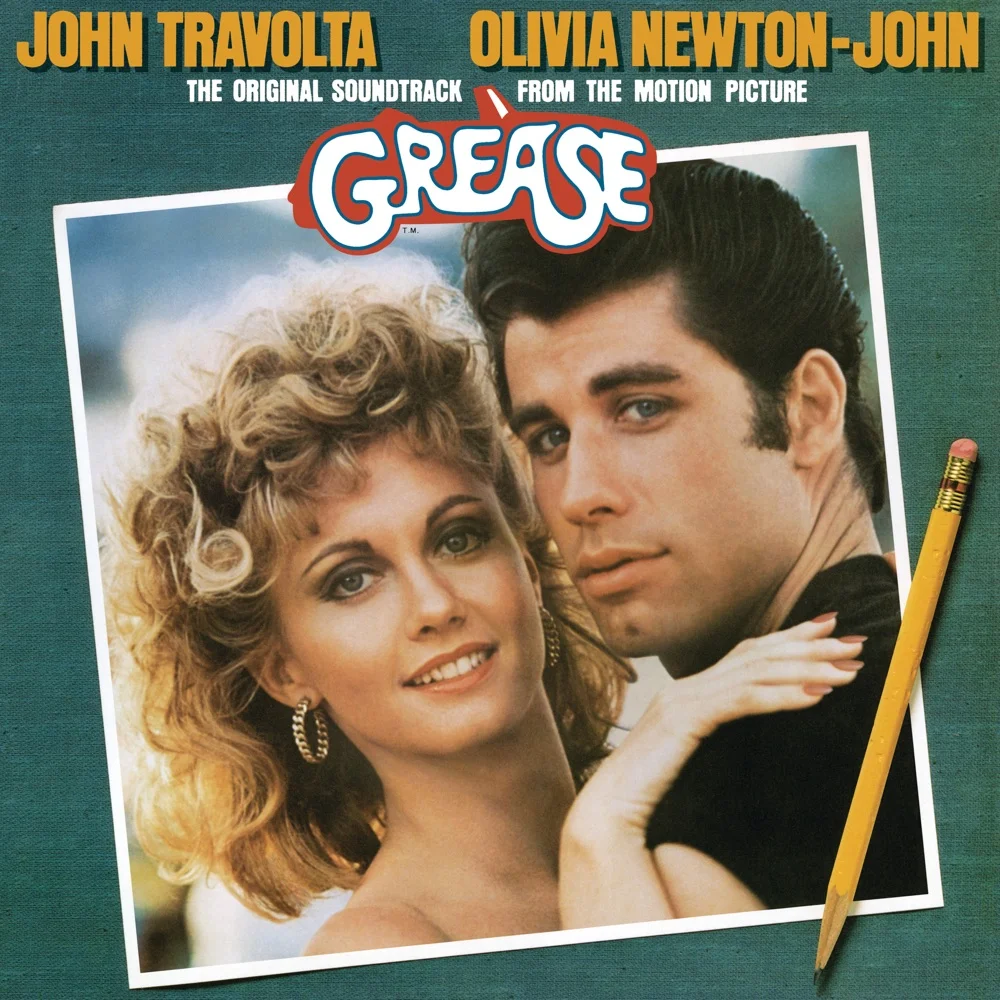
Performed by John Travolta in the 1978 film Grease, "Sandy" is the quintessential 50s-style heartbreak song. It takes place during the iconic drive-in movie scene where Danny Zuko is left alone, reflecting on his mistakes. While it sounds like a simple pop ballad, it requires significant acting ability and vocal dynamic control.
To sing this well, you need to channel the character. Danny is trying to be tough but is actually heartbroken. The vocal performance shifts from a spoken, theatrical opening to a soaring, belted chorus.
AI Coach Tip: The "Sob" Technique
Travolta uses a "crying" vocal quality—often called a "sob"—to add emotional weight. This involves slightly lowering the larynx and adding air to the onset of words like "Why-y-y". Our app detects if your tone is too flat or lacks this emotional texture.
Phase 1: The Spoken Intro (0:00 - 0:34)
The song begins with "Stranded at the drive-in..." This section is parlando (spoken-sung). Do not try to sing this with perfect melody; it should sound like a monologue. Rhythm is loose here.
The Trap: Many singers rush this part. Take your time. Let the silence between phrases emphasize the loneliness.
Phase 2: The Belting Chorus (0:35 - 1:50)
When the drums kick in, the energy lifts. The line "Oh Sandy!" requires a strong chest mix. The key is to keep the sound forward in the mask of the face to get that bright, 50s doo-wop resonance.
- Vowel Modification: On the higher notes ("someday when high school is done"), modify your vowels to be narrower (Sing "Hih" instead of a wide "High") to avoid straining.
- Dynamics: Build the volume gradually. Don't give 100% volume on the first chorus. Save it for the key change.
Phase 3: The Falsetto Finale (2:10 - End)
The song culminates in a dramatic ending. After the final belt, Travolta switches to a delicate falsetto on the very last "Sandy." This note needs to be sustained with steady breath support.
To hit this, engage your head voice early. Do not push chest voice up, or you will crack. Imagine the note floating above you.
Frequently Asked Questions
The highest belted note in chest voice is generally an A4, but the song ends on a high falsetto C#5 which requires good head voice control.
Ideally, yes. However, Baritones can sing this comfortably if they have a developed mixed voice. You can also transpose the track down -1 or -2 semitones in the Singing Coach AI app.
Focus on diction. 50s rock and roll vocals often have very crisp consonants. Combine that with the "sob" technique mentioned above for the authentic Danny Zuko vibe.