
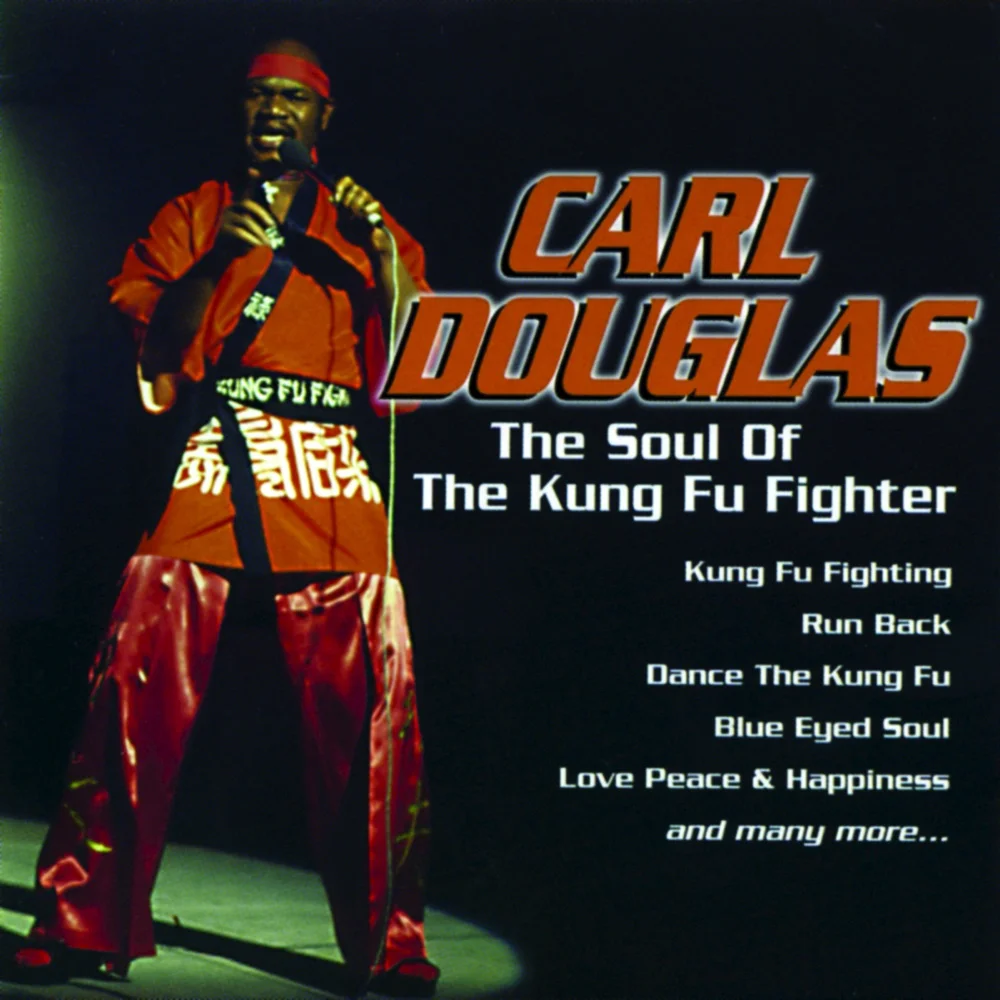
Mastering the Soulful Groove
"Run Back" by Carl Douglas is a track that demands energy, charisma, and rhythm. While Douglas is most famous for "Kung Fu Fighting," this song showcases a smoother, more soulful side of his vocal ability. It’s less about hitting stratospheric high notes and more about sitting "in the pocket" of the groove.
To sing this well, you need to channel the classic R&B spirit. The delivery is conversational yet punchy. Let's break down exactly how to tackle the verses and the chorus with the right attitude.
AI Coach Tip: Watch Your Syncopation
Many singers rush the tempo on this track. Our analysis shows that staying slightly behind the beat creates a more authentic, soulful feel. Don't anticipate the snare drum; let it happen.
Phase 1: The Verse Approach
The verses in "Run Back" sit comfortably in the mid-range. The key here is articulation and tone. You want a clear, chest-dominant sound that feels warm.
The Trap: It's easy to sound flat or monotone here if you don't commit to the rhythm. Keep your consonants crisp, especially at the ends of phrases, to match the percussive elements of the backing track.
Phase 2: Building the Tension
As the song moves toward the chorus, the vocal intensity needs to rise. You aren't yelling, but you are adding more "weight" to your voice.
- Breath Control: The phrases are rhythmic and continuous. Take quick, low breaths so you don't run out of air before the hook.
- Tone Color: brightening your vowels slightly can help cut through the mix as the instrumentation gets busier.
Phase 3: The Chorus Hook
This is the payoff. The chorus needs to be infectious. The melody lifts, and you should use a strong chest mix to deliver the title line.
Don't be afraid to add a little grit or "growl" to the onset of the words to emphasize the emotion. Carl Douglas uses a very forward placement here—imagine projecting your voice to the back of the room without straining your throat.
Frequently Asked Questions
The melody peaks around an A4 in the energetic sections. It is well within the range of most Tenors and high Baritones.
Soul comes from legato phrasing (connecting notes smoothly) combined with rhythmic precision. Listen to how Douglas slides into certain notes rather than hitting them straight on.
Yes. If the original key feels too high, use the Singing Coach AI app to transpose the track down by -1 or -2 semitones to practice comfortably.