
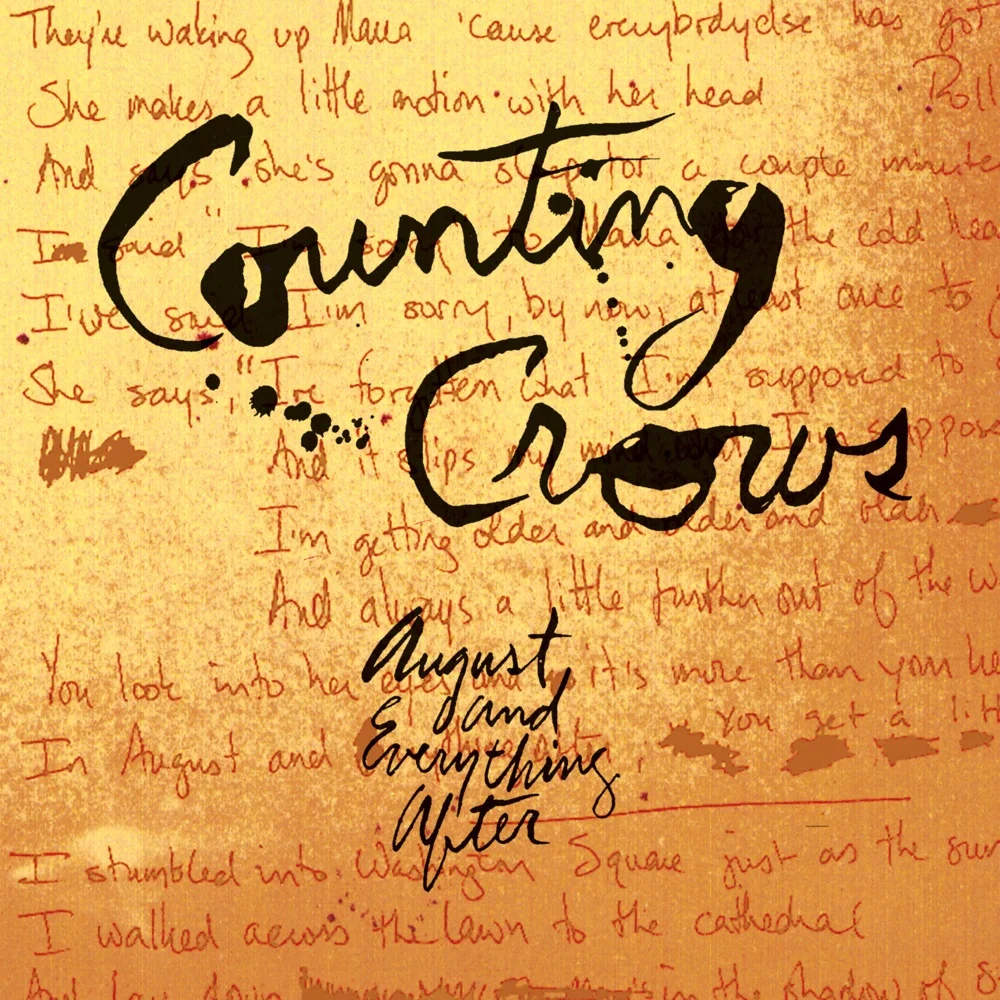
An Exercise in Emotional Dynamics
"Round Here" is the opening track from Counting Crows' debut album August and Everything After. It is a song about vulnerability, decay, and the feeling of being stuck. Unlike pop songs that require surgical precision, this track demands an emotive, conversational delivery.
Adam Duritz’s vocal performance is less about hitting perfect notes and more about the "cry" in the voice. The challenge lies in managing the drastic shifts between the intimate verses and the soaring choruses without losing the narrative thread.
AI Coach Tip: Watch the Phrasing
Adam Duritz often sings slightly "behind the beat" (back-phrasing) to create a relaxed, improvisational feel. Don't rush your words. Let the band lead, and slide into the lyrics.
Phase 1: The Verses (0:00 - 1:20)
The song begins with the iconic line, "Step out the front door like a ghost." This needs to be sung with a breathy, chest-dominant tone. You are setting a scene.
The Trap: Many singers project too much here. Keep it intimate, almost like a whisper. Ensure your consonants (t's and k's) are clear, but keep the volume at a piano level to allow room for growth later.
Phase 2: The Pre-Chorus (1:20 - 1:45)
Here, the tension builds. On the lines regarding "Maria," the vocal cords should start to compress more. You want to introduce a bit of vocal fry or "creak" at the onset of words to emphasize the emotional pain of the character.
- "She says she's dying": Don't shout this yet. Use a mixed voice to navigate the rise in pitch without yelling.
- Breath Support: Take deeper, lower breaths here. You will need the support for the upcoming chorus.
Phase 3: The Chorus Belt (1:45 - 2:30)
"Round here, we always stand up straight." This is the release. The vocals switch to a full, open-throated belt. The vowels should be tall and round to maximize resonance.
Aim for the A4 on the ad-libs if you have the range, but the core melody sits comfortably around G4. Focus on the emotional "cry"—tilt your thyroid cartilage (the whimper sensation) to thin out the chest voice so you can hit these notes repeatedly without fatigue.
Frequently Asked Questions
The core melody hits strong G4s, but Adam creates variations and ad-libs that can touch A4. The falsetto sections are sparse but delicate.
Not necessarily. While Adam Duritz has natural rasp, you can convey the same emotion using breathiness and vocal fry at the beginning of phrases. Do not force rasp, as it can damage your cords.
The timing is very loose. Use the Singing Coach AI app to visualize the beat, but practice delaying your entry by a millisecond to capture that "Folk Rock" vibe.