
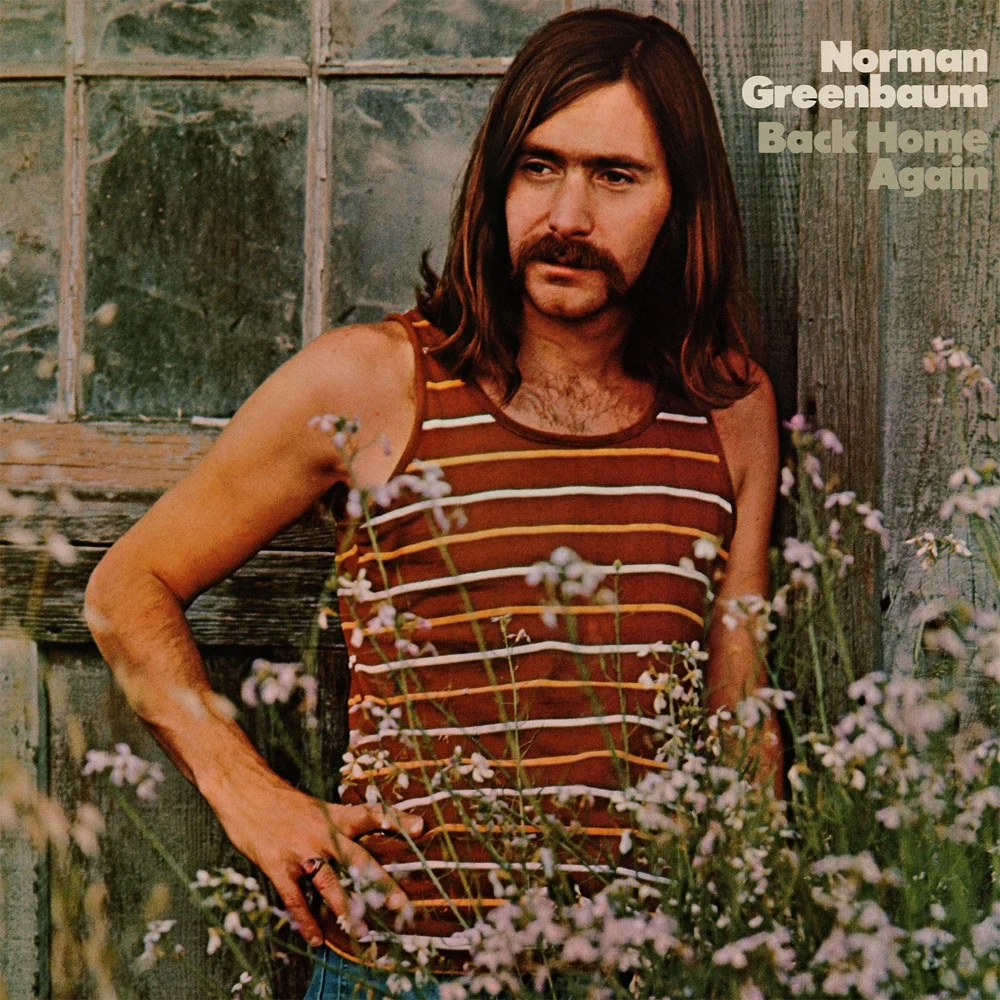
Country Rock with a Humorous Twist
"Rhode Island Red" is a hidden gem from Norman Greenbaum, the artist behind the legendary "Spirit in the Sky." Released in 1969, this track showcases his ability to blend stomping rock rhythms with country storytelling. The song references the famous chicken breed but serves as a metaphor delivered with Greenbaum's characteristic wit and grit.
Unlike the sustained notes of a ballad, this song requires a "talking blues" approach. The challenge lies in the rhythm and the attitude. You need to sit right in the pocket of the groove while delivering the lyrics with a playful sneer.
AI Coach Tip: Watch the Syncopation
Greenbaum often anticipates the beat in the verses. Our analysis shows users tend to drag behind the beat. Keep your consonants sharp and forward to stay locked in.
Phase 1: The Verses (The Storyteller)
The verses are sung in a comfortable mid-range (E3-A3). The key here is articulation. You aren't just singing notes; you are telling a story.
The Technique: Use "Speech Level Singing." Don't try to make it sound pretty or operatic. Keep it conversational. Imagine you are leaning against a bar telling a joke to a friend.
Phase 2: The Chorus (The Stomp)
When the chorus hits, the energy lifts. The melody jumps up, requiring more chest resonance. The hook "Rhode Island Red" needs to be punched out.
- Resonance: Aim for a "twangy" sound. Lift your soft palate but keep the sound forward in the mask (the front of your face).
- Breathing: The phrases are short and punchy. Take quick, low breaths to maintain the driving momentum.
Phase 3: The Style (The Greenbaum Grit)
Norman Greenbaum's voice has a natural distortion or "fuzz" to it, much like the guitar tone he is famous for. To achieve this safely without hurting your throat, engage your core support and add a little vocal fry at the onset of words.
Avoid squeezing your throat to get the grit; instead, rely on the "twang" setup to cut through the mix.
Frequently Asked Questions
The highest belted note is generally around a G4, depending on the ad-libs. It sits comfortably in the male chest voice range.
It straddles the line between Country Rock, Blues Rock, and Psychedelic Rock, typical of the late 60s era.
Yes! If the G Major key is too high for your chest voice, use the Singing Coach AI app to lower it by -1 or -2 semitones to suit a Bass/Baritone range better.