
Mastering the Indie Folk Ache
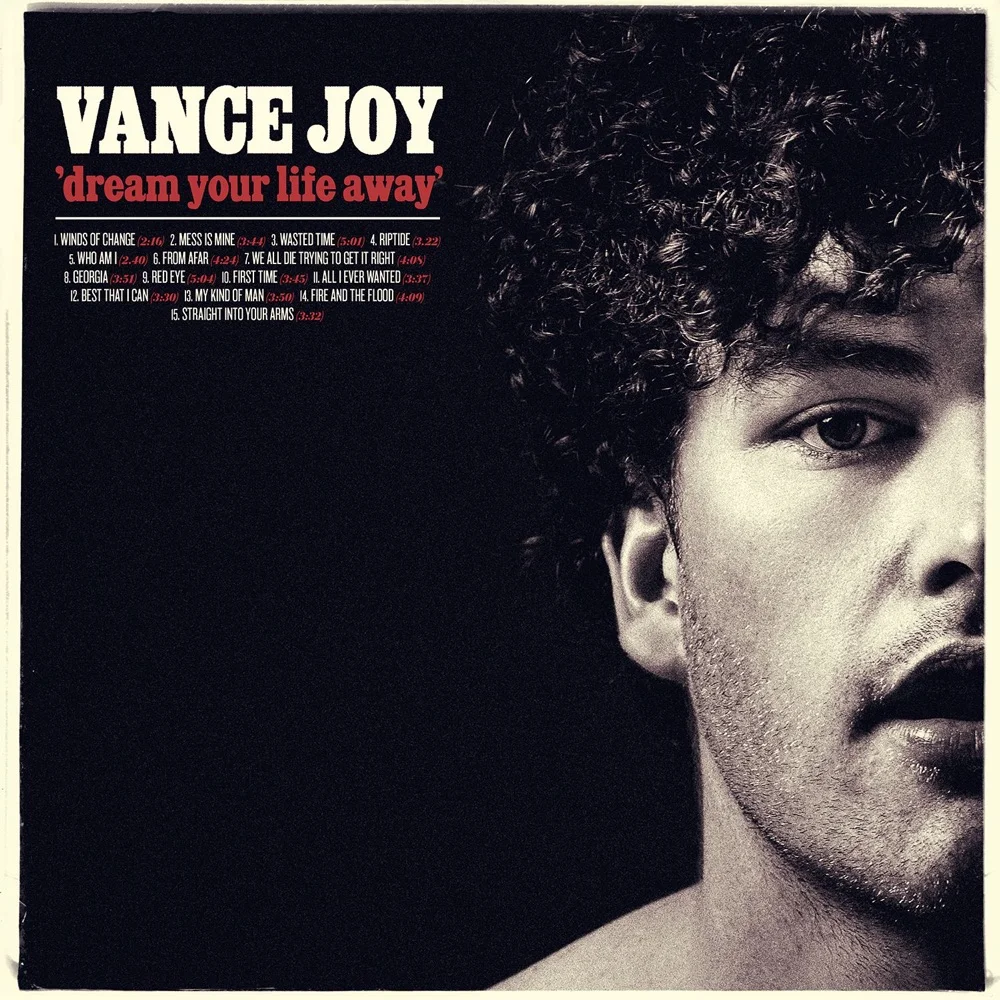
"Red Eye" showcases Vance Joy's signature ability to blend simple, acoustic storytelling with soaring emotional peaks. Featured on his debut album Dream Your Life Away, this song relies less on power and more on texture. The challenge isn't hitting the notes—it's believing them.
To sing this well, you need to master the art of the "break." Vance Joy frequently flips into his head voice to emphasize vulnerability. Let's break down exactly how to tackle the dynamics of this track.
AI Coach Tip: Watch Your Airflow
Many singers push too much air when trying to sound "breathy." This dries out your cords. Focus on a steady stream of air and relax your jaw to get that indie-folk resonance without the fatigue.
Phase 1: The Narrative Verse
The song starts in a comfortable mid-range. The key here is diction. The lyrics are conversational, almost like a letter being read aloud. Keep your volume at a mezzo-piano.
The Trap: Because the verses are lower, singers often swallow the words. Keep the sound forward in your mouth, right behind your teeth, to ensure clarity against the rolling guitar pattern.
Phase 2: The Falsetto Flip
As the melody climbs, you'll encounter Vance's trademark flips into head voice. Unlike a rock belt, these notes should feel light and airy, but supported.
- The Transition: Don't slide up to the high notes; flip to them. Think of it like a yodel but softer.
- Resonance: Aim the sound toward the top of your head rather than out of your mouth to get that sweet, ethereal quality.
Phase 3: The Emotional Bridge
The bridge brings a slight increase in intensity. Here, you can allow a bit more chest voice to creep into the mix, but avoid full belting. The emotion comes from the "cry" in the voice—a slight engage of the thyroid tilt—rather than raw volume.
Maintain the rhythmic drive. The vocals in "Red Eye" are percussive; they lock in with the strumming pattern. Dragging behind the beat will kill the momentum of the song.
Frequently Asked Questions
This song is ideal for Tenors or high Baritones who are comfortable with their head voice. The tessitura sits in a sweet spot for lighter male voices.
Vance uses a fast, shallow vibrato often called a "bleat" or "shimmer." Don't force it—it usually comes from relaxing the throat and allowing the natural tension of the emotion to waver the pitch slightly.
It's difficult without it, as the style depends on that contrast. However, you can transpose the song down using the Singing Coach AI app to keep the high notes within your chest range.