
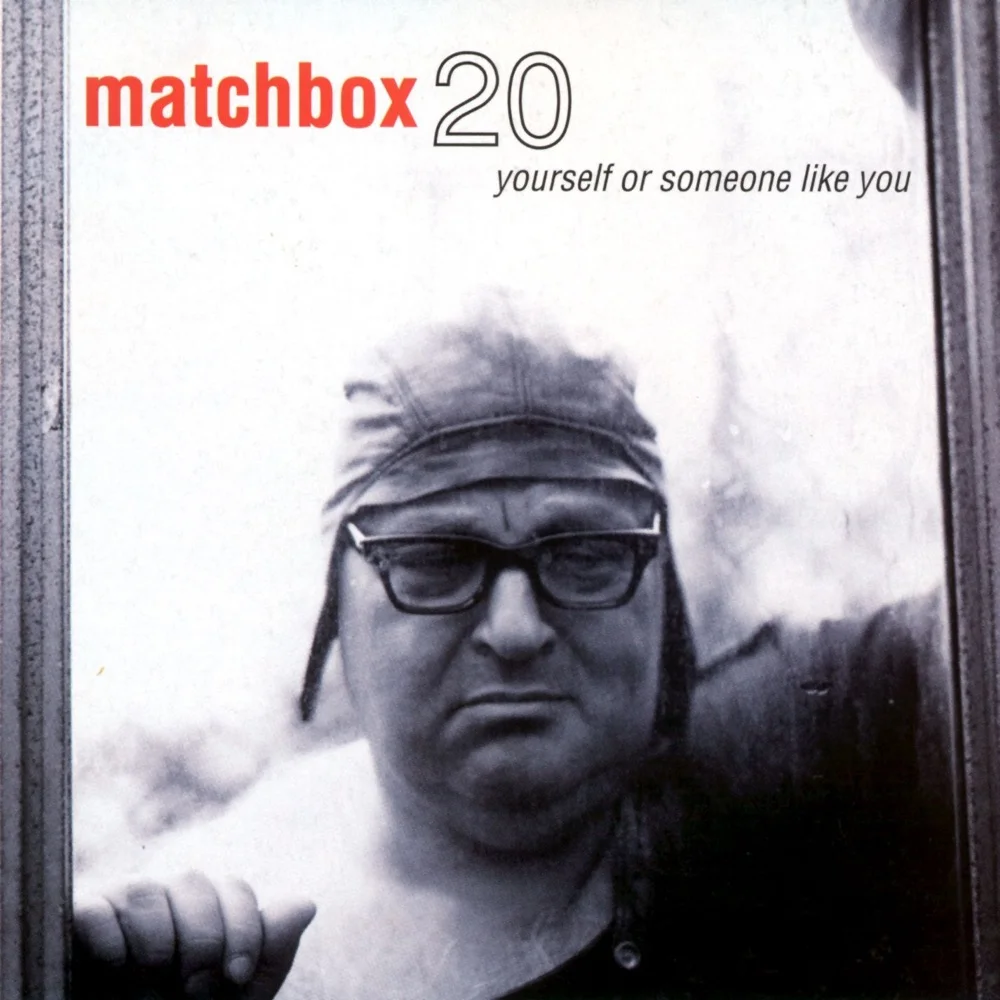
Defining the Post-Grunge Sound
Released on the 1996 debut album Yourself or Someone Like You, "Push" remains Matchbox Twenty's most defining track. For a vocalist, this song is a masterclass in emotive dynamics. It transitions from a mumbled, conversational verse to a soaring, open-throated chorus.
Rob Thomas possesses a distinctive baritone texture. To sing this correctly, you need to balance the "grit" of the rock genre with enough clarity so the lyrics aren't lost. It's not just about hitting the notes; it's about the attitude behind them.
AI Coach Tip: Watch Your "Twang"
Rob Thomas uses a technique often called "yarling" (adding an 'R' sound to vowels) to create resonance. While stylistically correct, overdoing this can lower your pitch score. Aim for open vowels on the chorus to keep your intonation sharp.
Phase 1: The Verse (0:00 - 0:53)
The song starts in G Major. The verses ("She said I don't know if I've ever been good enough") sit low in the range. The key here is to keep the volume controlled but the intensity high.
The Trap: Singers often lose breath support in the lower register, making the voice sound "fry-heavy" or weak. Keep your diaphragm engaged even on the quiet notes to maintain a consistent tone.
Phase 2: The Pre-Chorus (0:53 - 1:12)
The line "I don't know if I've ever been really loved" marks the transition. You need to begin lifting your soft palate here. The melody climbs, and you should feel the resonance moving from your chest toward your "mask" (the front of the face).
- Rhythm: The phrasing is slightly behind the beat. Don't rush.
- Dynamics: This section is a crescendo. Start medium and end loud leading into the chorus.
Phase 3: The Chorus Belt (1:12 - 1:45)
The chorus is iconic: "I wanna push you around." This requires a confident chest belt. The top notes hover around G4, which is the "break" area for many male singers.
To hit this comfortably, modify your vowels. Instead of a wide, flat "A" on "Around," think of a taller "Aw" sound. This lowers the larynx and prevents straining. The slide down on the word "around" is crucial for the style—don't hit the note and cut it off; let it fall.
Frequently Asked Questions
The highest sustained belted notes in the chorus are G4s. However, in ad-libs towards the end, Rob touches an A4. It is accessible for most Tenors and high Baritones.
The grit comes from "vocal compression," not from scratching your throat. Use the Singing Coach AI app to monitor your tension levels—if it hurts, you are doing it wrong.
Yes! The original key of G Major works well for Altos as it sits in a strong chest/mixed range. You may not need to transpose it at all.