
Master the Art of Musical Suspense
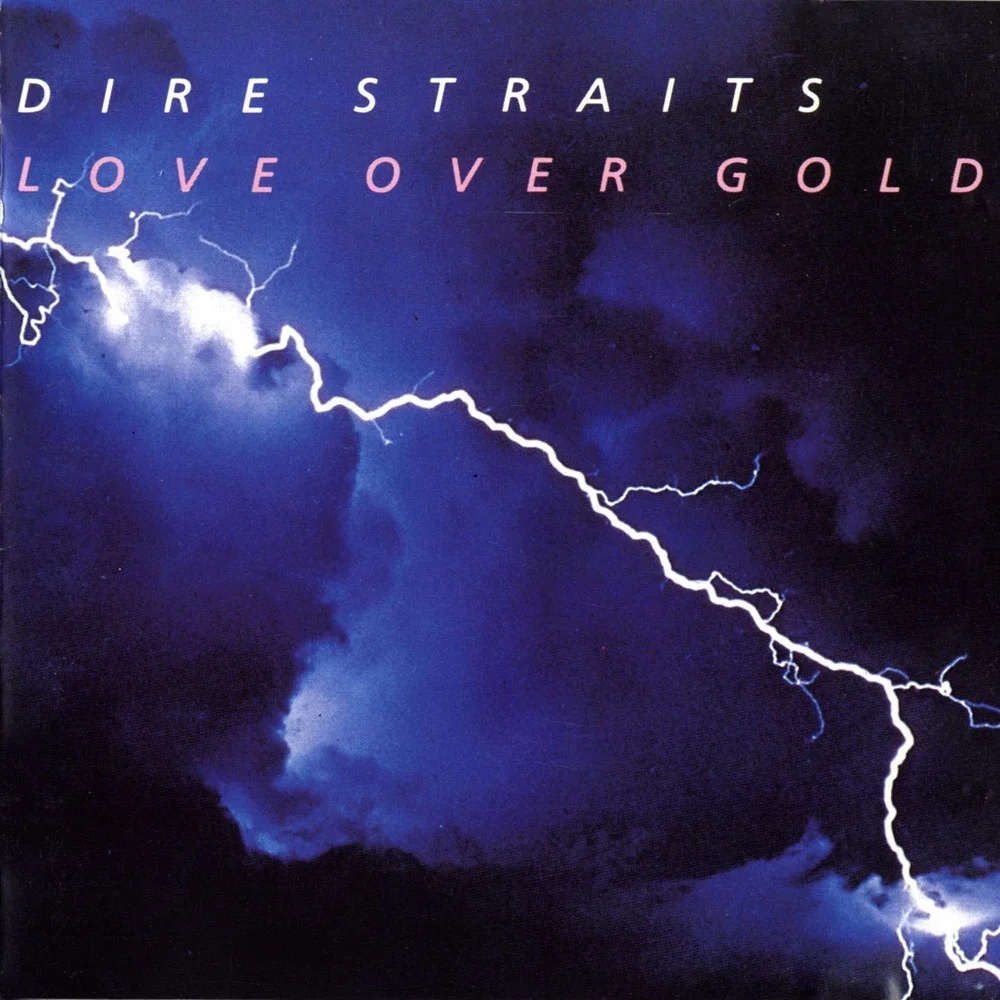
Private Investigations is a masterpiece of tension. Released on the 1982 album Love Over Gold, it stands in stark contrast to standard rock songs. There is no catchy chorus or soaring melody. Instead, Mark Knopfler uses a technique closer to film noir narration than singing. It is a track defined by what you don't sing.
To perform this effectively, you must abandon the need to "project" in the traditional sense. You are a detective, whispering secrets in a dark room. You need incredible breath control to sustain the mood through long instrumental pauses.
AI Coach Tip: Proximity Effect
Because the vocals are so quiet, get closer to your microphone. This enhances the bass frequencies in your voice (the "proximity effect"), giving you that rich, deep Mark Knopfler tone without having to force the volume.
Phase 1: The Spoken Narrative (0:00 - 3:50)
The song sits firmly in E Minor, but the vocals hover around the low E2 and A2. This technique is known as Sprechgesang—a style halfway between speaking and singing.
The Trap: Many singers try to add a melody where there isn't one. Don't sing the notes; speak them on pitch. Keep your larynx relaxed and low to maximize chest resonance. If you pitch it too high, you lose the "weary detective" character.
Phase 2: Rhythm and Phrasing
Knopfler's delivery is incredibly laid back. He often phrases his words slightly behind the beat. This "back phrasing" creates a relaxed, almost lazy feel that contradicts the tension of the music.
- Diction: Keep it dry. Consonants should be clear but not explosive. Ideally, you want a sound that is intimate and conversational.
- The Sighs: Notice the audible breaths and sighs in the recording. These aren't mistakes; they are part of the emotional performance.
Phase 3: The Atmosphere (The Outro)
The song concludes with a long instrumental section featuring marimba and bursts of electric guitar. While you aren't singing here, your job as a vocalist is to maintain the mood until the very end. Do not break character immediately after the last line, "Private investigations." Hold the silence.
The challenge is maintaining engagement without volume. It requires confidence to be quiet.
Frequently Asked Questions
It helps. The song sits in the Baritone/Bass range. However, Tenors can perform it by focusing on their lower chest register and prioritizing a breathy, spoken tone over resonance.
Melodically, no. Expressively, yes. It is rated "Medium" difficulty because while the notes are easy to hit, capturing the specific noir mood without sounding bored is very challenging.
The song is in E Minor, utilizing the natural minor scale to create its somber, mysterious atmosphere.