
The Baritone Masterclass
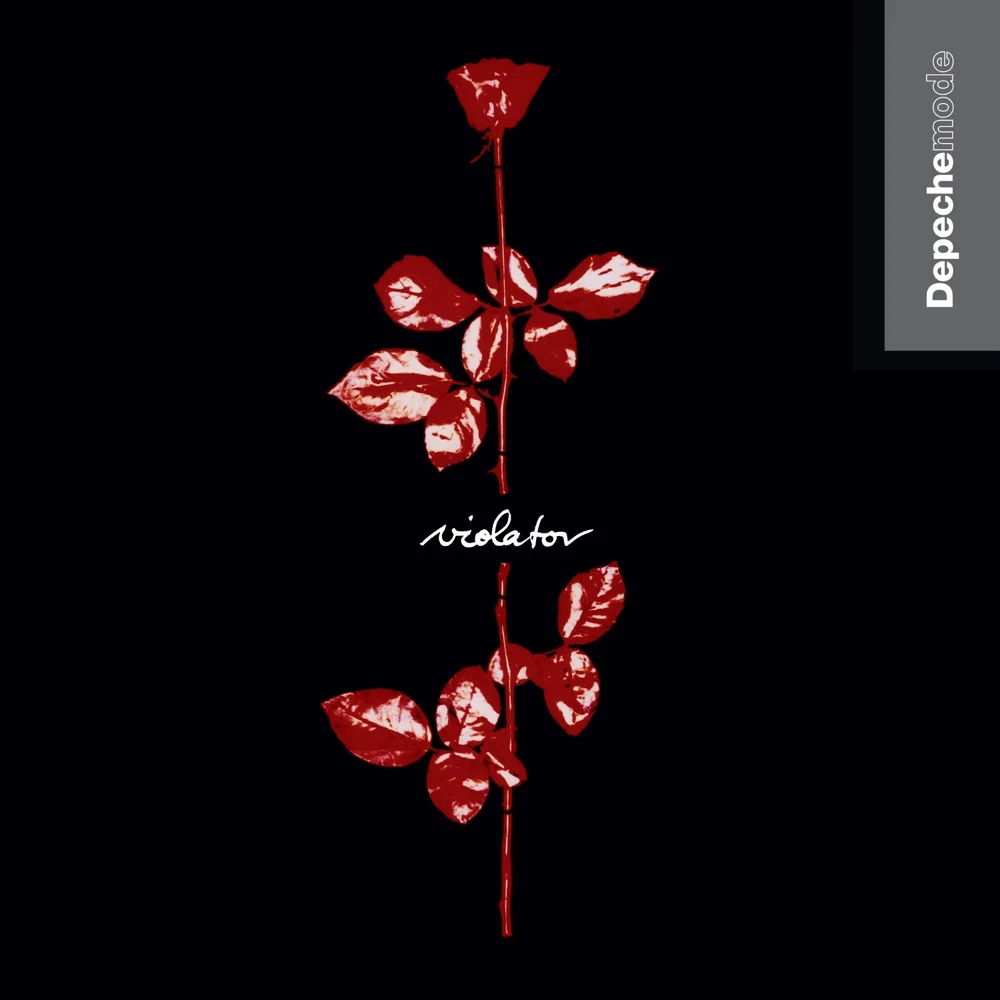
Released as the third single from the iconic 1990 album Violator, "Policy of Truth" is a standout track for singers with lower ranges. Unlike many pop songs that push for high belts, this Depeche Mode classic relies on mood, resonance, and control.
Dave Gahan's delivery is cool, detached, yet commanding. The song is written in D Minor, providing a dark, synth-pop atmosphere. To sing this well, you need to abandon the urge to over-sing and instead focus on a relaxed, open throat to maintain the richness of the lower notes.
AI Coach Tip: Watch Your Diction
Because the melody is repetitive and low, it's easy to mumble. Our analysis shows that users score higher when they exaggerate consonants slightly, especially on words like "Truth," "Satisfied," and "Hide."
Phase 1: The Verses (Low Control)
The verses ("You had something to hide...") sit comfortably in the speaking range for most baritones. The challenge here is consistency. You are singing near the bottom of the staff (around A2-D3).
The Trap: Vocal fry. When singing low and quiet, many singers lose breath support, resulting in a creaky sound. Engage your diaphragm just as much as you would for a high note to keep the tone clear and "spun."
Phase 2: The Chorus (The Lift)
The chorus ("Never again is what you swore the time before") lifts the energy without jumping significantly in pitch. The melody revolves around D3 and F3, touching on A3.
- Phrasing: The lines are longer here. Ensure you take a solid breath before "Never again" so you don't run out of air before the end of the phrase.
- Tone: Keep it in your chest voice. Do not switch to a head mix; it will sound too thin for the genre.
- Attitude: This is a cynical song. The delivery should be smooth but firm.
Phase 3: The Bridge and Outro
The bridge maintains the hypnotic groove of the song. The highest note you will likely hit with full power is around an E4 or F4, which is a comfortable mid-range belt for most male voices. For female singers, this song sits in a rich alto range (contralto), perfect for a darker timbre.
Frequently Asked Questions
The vocal melody rarely exceeds an E4 in chest voice. It is a very contained song, focusing on the F#2 to D4 tessitura.
Yes, but Tenors may find the verses feel quite low. You might need to focus on relaxing your larynx to get the necessary depth, or transpose the song up +2 semitones in the Singing Coach AI app.
It's about the "Crooner" style. Think of Frank Sinatra but over a synthesizer. Keep your vowels dark (an "Ah" should sound more like "Aw") to maximize chest resonance.