
The Ultimate Musical Seduction
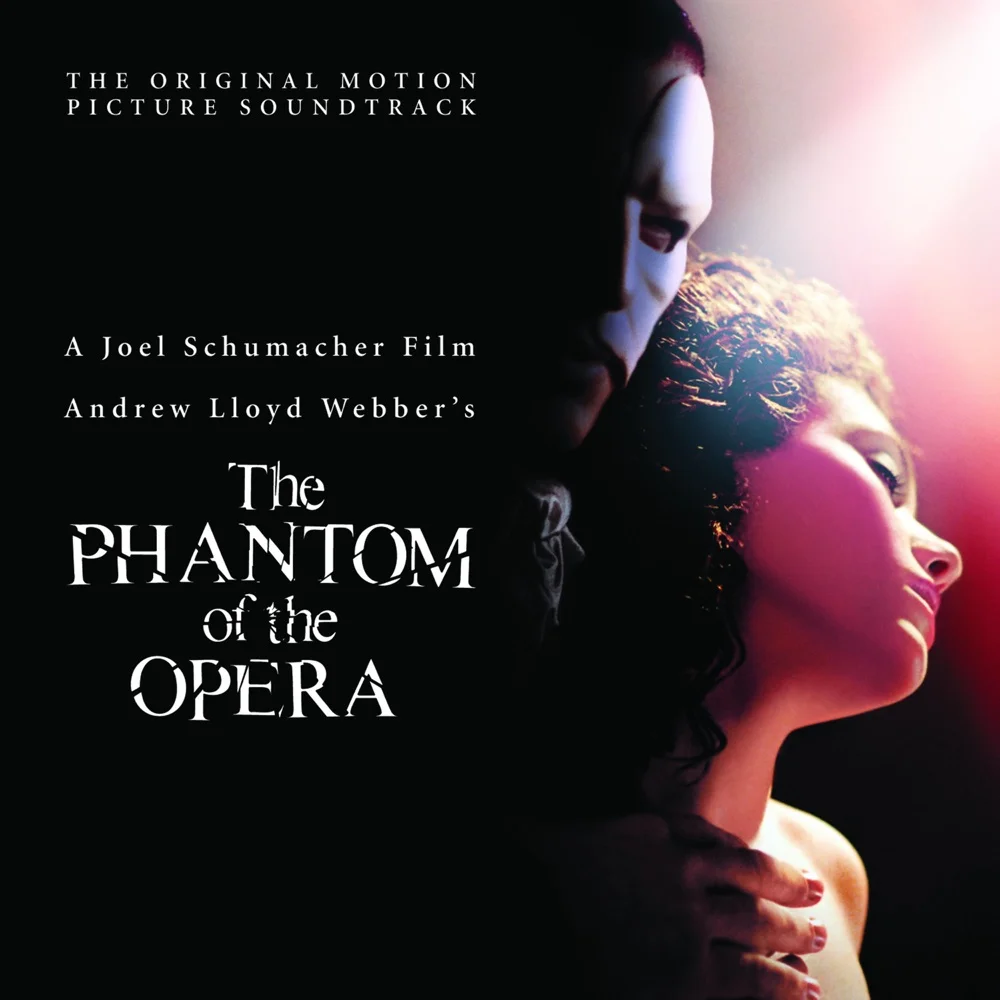
Point of No Return serves as the climax of interaction between The Phantom and Christine Daaé. In the 2004 film adaptation, Gerard Butler brings a raw, rock-influenced edge to the role, contrasting sharply with Emmy Rossum's classical soprano purity. This is not just a song; it is an acted scene set to music, where the tension must be palpable in your voice.
To succeed here, you must balance character acting with technical precision. The song oscillates between a sultry tango rhythm and sweeping romantic lines. Let's break down how to handle the duel between the Angel of Music and his pupil.
AI Coach Tip: Acting is Key
Our analysis shows that high scores correlate with strong dynamic contrast. Don't sing the verses at full volume. Treat the opening lines as a whisper in the ear, and save your full resonance for the chorus.
Phase 1: The Phantom's Seduction (Low Register)
The song opens in a moody F minor. Gerard Butler's delivery of lines like "Passarino, go away" and the opening verse is almost spoken. The key here is chest resonance without pushing.
The Trap: Many singers try to sound too "operatic" immediately. Butler's interpretation works because it feels dangerous and untamed. Keep your larynx neutral and allow a slightly breathy quality on the lower notes to convey intimacy.
Phase 2: Christine's trance (Soprano Control)
When Christine enters ("No thoughts within her head..."), the texture changes completely. Emmy Rossum uses a light, heady mix. You must ensure your onset is clean—no glottal stops. The phrasing should be legato, connecting every word smoothly to represent her trance-like state.
- Silent: Keep the "t" at the end soft.
- Consuming: Open the vowel on "suming" to maximize resonance.
- Decided: This is the turning point where the voice should gain strength.
Phase 3: The Climax (Harmony & Power)
As the two voices come together on "Past the point of no return," the volume increases. The Phantom is often singing a counter-melody or harmony below Christine. If you are singing the male part, provide a solid bass foundation. If you are singing the female part, you must soar above the texture without screeching.
The final section requires immense breath support to sustain the long phrases while maintaining the emotional intensity of the scene.
Frequently Asked Questions
In the movie, Gerard Butler sings as a Baritone with a rock-edge. He often uses a "pulled" chest voice technique rather than traditional classical technique, giving him a grittier sound.
Yes, but it is challenging. You will need to switch characters and vocal colors instantly. The Singing Coach AI app allows you to mute one part so you can practice acting against the other.
Yes. The movie arrangement is often slightly lower or adapted to fit the actors' ranges, and the orchestration is more lush. Our app supports the movie soundtrack version.