
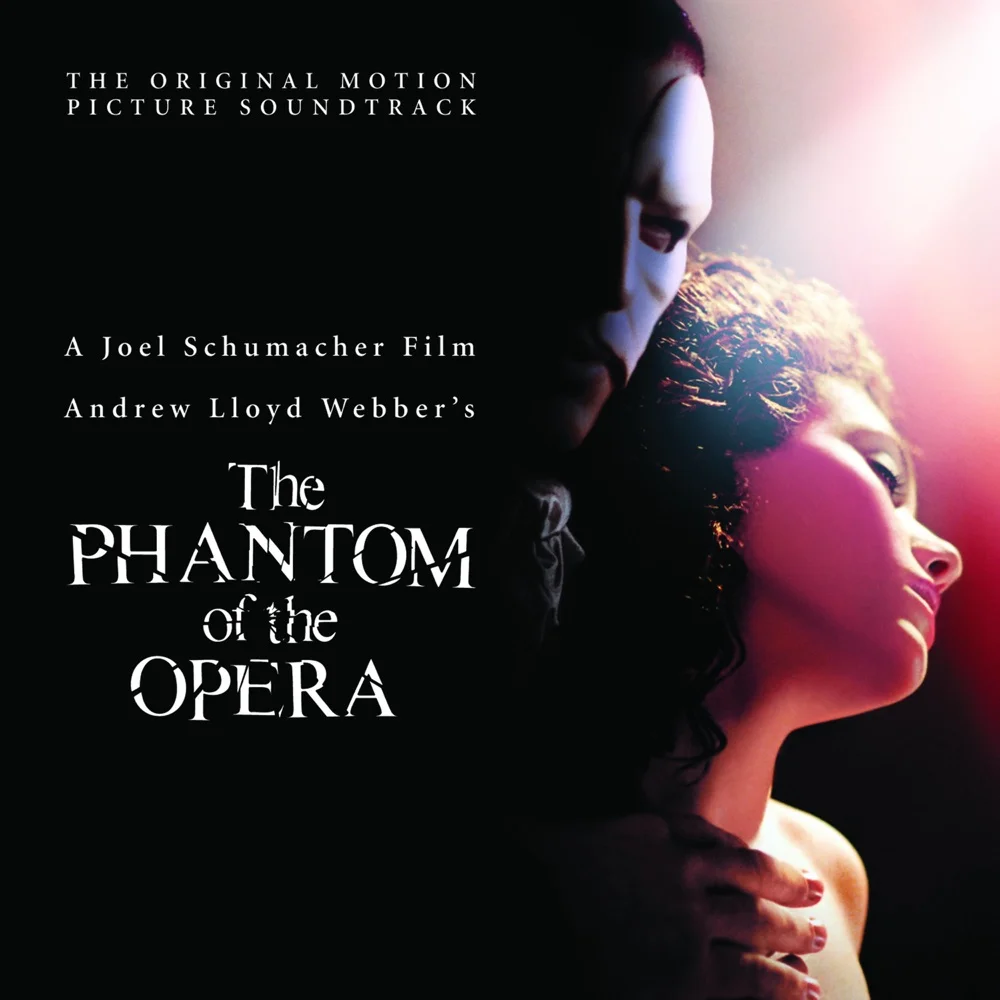
The Ultimate Vocal Duel
Andrew Lloyd Webber's title track is iconic for its driving rock beat and dramatic key changes. The 2004 movie version features Gerard Butler as a rougher, more rock-oriented Phantom, contrasting sharply with Emmy Rossum's classically trained soprano.
Singing this song is an exercise in stamina and character. Whether you are taking the role of the Phantom (lower chest voice, aggressive diction) or Christine (clean head voice, extreme range), you must follow the song's chromatic modulation as it climbs higher and higher.
AI Coach Tip: The "Sing For Me" Climax
If you are singing the Phantom's part, do not scream the final commands. Use your diaphragm to support the shouts rather than your throat. If you are Christine, ensure your jaw is relaxed to hit the E6 without pinching.
Phase 1: The Descent (D Minor)
The song begins low and ominous. For the Phantom, the line "In sleep he sang to me" sits in a very comfortable speaking range. Focus on breathy, mysterious storytelling here rather than power.
The Duet: As the voices overlap, ensure your timing is locked in. The 2004 arrangement features heavy percussion; let the snare drum guide your phrasing so you don't drag.
Phase 2: The Modulations
The song is famous for its chromatic key changes (moving up by semitones). It shifts from D minor to G minor, then E minor, and eventually F minor. This constant shifting creates a sense of rising tension.
- Phantom's Grit: Gerard Butler uses a technique often called "vocal fry" to start his phrases, giving it a rock edge.
- Christine's Clarity: As the key rises, Christine must switch fully into head voice. Avoid carrying chest weight up, or you will tire before the finale.
Phase 3: The Vocalise (High E)
The most famous moment in musical theatre history. The Phantom commands Christine to sing, and she performs a chromatic run upwards: Bb5, B5, C6, C#6, D6, ending on a piercing E6.
To hit the E6, imagine the sound coming out of the top of your head. You need a "whistle" or "flageolet" register placement. Keep the volume controlled; if you push too much air, the note will break.
Frequently Asked Questions
The final note sung by Emmy Rossum is a High E (E6). It is sustained while the Phantom sings a low harmony.
Yes. Gerard Butler was not a professional singer. His part relies more on acting and attitude than perfect pitch. The range (G2-Ab4) is accessible for most baritones.
It is a Rock Opera. It blends an 80s rock drum beat and electric guitar/organ with operatic vocal lines. You need to balance both styles.