
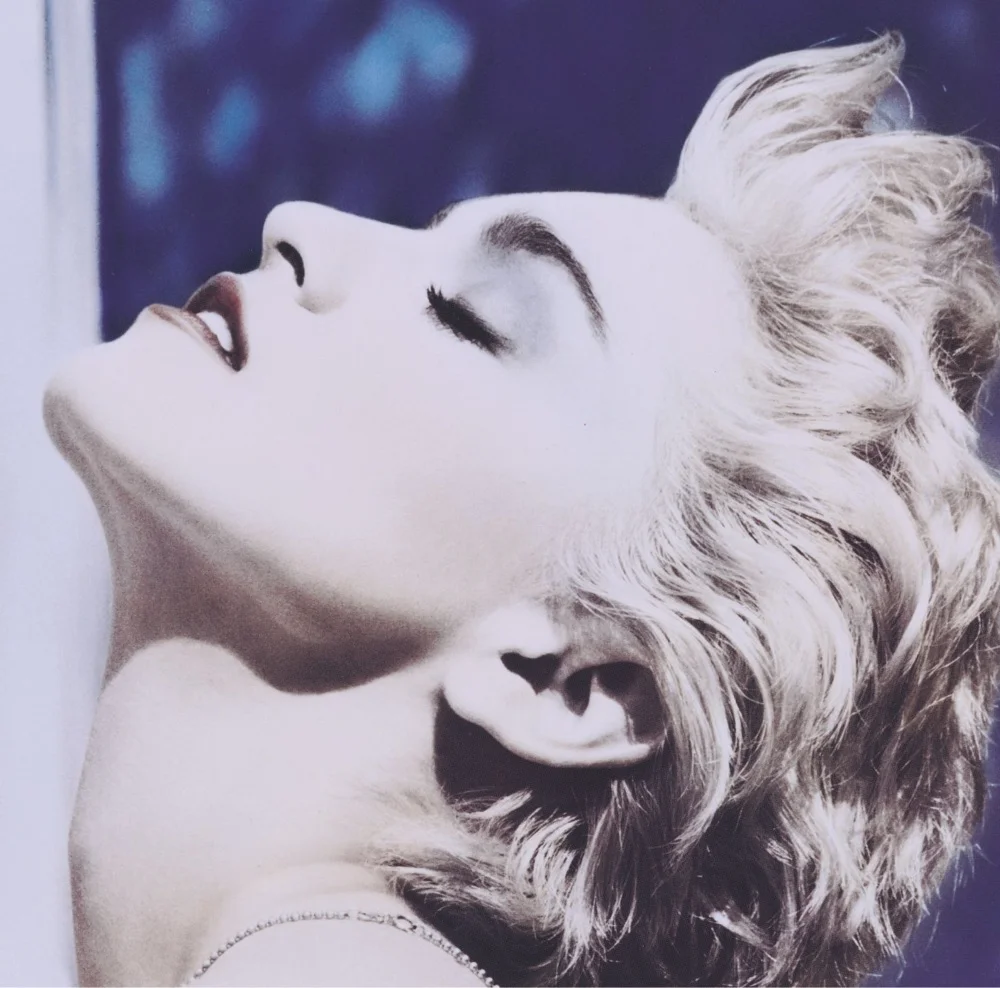
The Definitive 80s Pop Anthem
Released on Madonna's 1986 album True Blue, "Papa Don't Preach" marked a significant shift in her career. It combines a classical string introduction with a driving synth-pop beat. For a singer, this song is about character work as much as pitch. It requires a distinct mix of vulnerability in the verses and defiance in the chorus.
To sing this well, you need excellent breath support to handle the up-tempo rhythm while maintaining a solid chest-voice resonance. Let's break down exactly how to tackle it, section by section.
AI Coach Tip: Watch Your Diction
Madonna's delivery is incredibly rhythmic and percussive. Do not slur the words in the verses. Our analysis shows that crisp consonants on words like "Papa," "stop," and "preach" improve timing scores significantly.
Phase 1: The Verses (Low Register Control)
The song sits in F Minor. The verses ("Papa I know you're going to be upset...") sit in a lower, conversational range (around F3-Ab3). The challenge here is volume. Singers often get too quiet or "breathy" when singing low.
The Trap: Losing energy. You must keep the vocal cords connected with a bit of "vocal fry" or edge to cut through the bassline. Think of it as telling a secret loudly.
Phase 2: The Chorus (Power & Mix)
The chorus ("Papa don't preach, I'm in trouble deep") lifts the energy. You are hitting C5s here. While this isn't extremely high for a soprano, it requires a strong belt or "mixed voice" to match the style of the song.
- Don't Preach: This phrase needs a punchy attack. Engage your diaphragm before the phrase starts.
- I've made up my mind: This line descends. Be careful not to let the pitch go flat as you come down from the high notes.
- Keeping my baby: This is the emotional peak. Use a brighter tone here to convey determination.
Phase 3: The Bridge (Emotional Dynamics)
The bridge section ("Daddy, daddy if you could only see...") offers a moment of relief. The instrumentation strips back slightly. Use this moment to soften your tone. It adds dynamic contrast, making the final choruses feel even more powerful when they kick back in.
Ensure you take quick, deep breaths between phrases, as the lyrics come rapidly with little rest.
Frequently Asked Questions
The highest main melody note is a C5. However, ad-libs and harmonies can reach slightly higher depending on the version.
Yes. The range is accessible for most female voices (Mezzo/Soprano). The main challenge is the rhythmic phrasing rather than extreme high notes.
Madonna uses a very bright, forward placement in her nose/mask area. Try smiling slightly while singing to brighten your tone and mimic her timbre.