
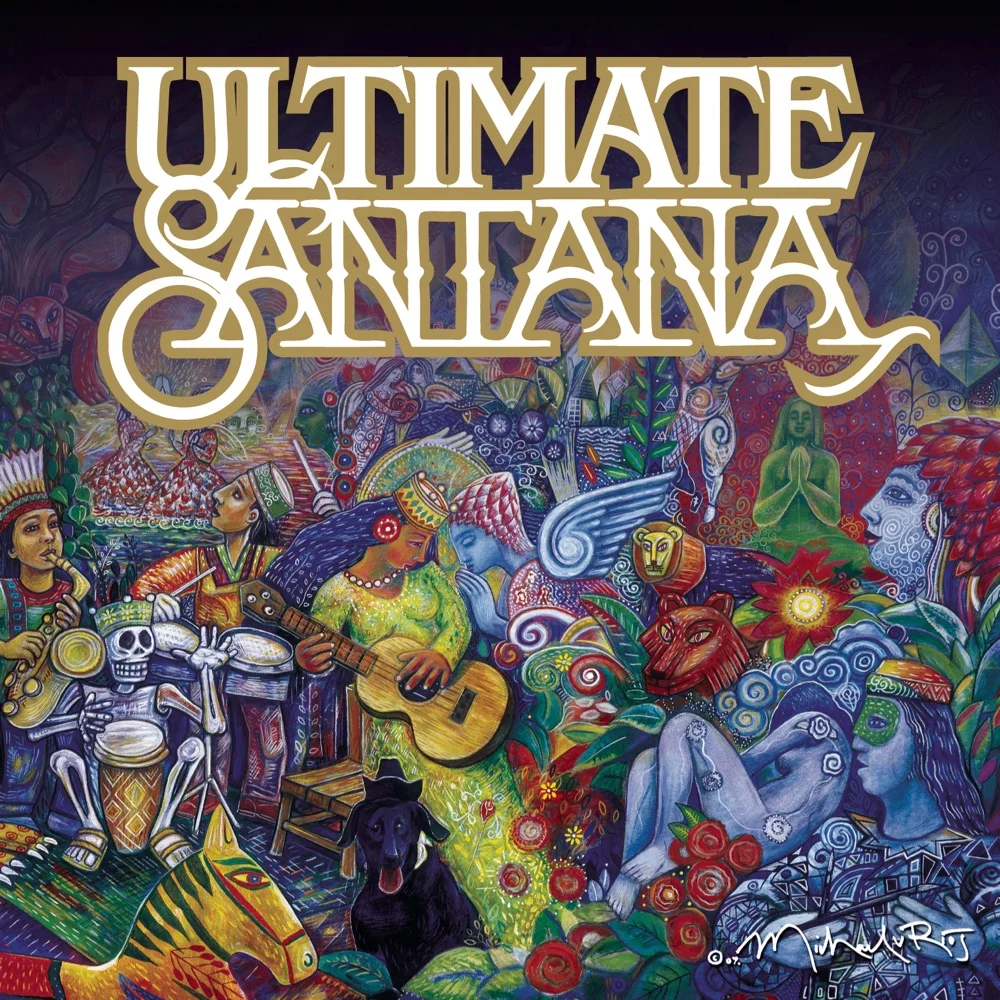
The Ultimate Latin Rock Anthem
Originally written by the Latin jazz titan Tito Puente, Oye Como Va became a global phenomenon when Santana recorded it for their 1970 album Abraxas. Unlike pop ballads or rock arias, this song isn't about hitting high notes—it's about locking into the "clave" (the rhythmic backbone) and delivering the lyrics with style and confidence.
The vocals operate almost like a percussion instrument in the mix. They are chanted in unison, requiring a flat, strong tone rather than vibrato. Let's break down how to get that authentic Santana sound.
AI Coach Tip: Spanish Diction
Many English speakers tend to diphthongize the vowels (e.g., pronouncing "Oye" as "Oy-ay"). In Spanish, vowels are pure. Pronounce it "Oh-yeh co-mo vah." The AI Coach listens for these crisp vowel sounds to grade your diction.
Phase 1: The Hook (0:47 - 1:04)
The song opens with the iconic organ riff, followed by the main vocal line: "Oye como va, mi ritmo." This translates roughly to "Listen to how my rhythm goes."
The Technique: You want to sing this in your mid-chest register. Do not push for volume; instead, focus on rhythm. The phrase starts on the "and" of beat 4. If you come in too early, you lose the groove. Use a metronome or the visual guide in the app to nail the entry.
Phase 2: The Response (1:04 - 1:20)
The second line, "Bueno pa' gozar, mulata," means "Good for enjoying, mulata." Here, the rhythm shifts slightly.
- Bueno pa' gozar: This should be sung staccato (short and detached) to match the cha-cha-cha rhythm of the percussion.
- Mulata: Elongate the "la" slightly to resolve the phrase.
Phase 3: Navigating the Instrumental Solos
One of the hardest parts of performing this song is maintaining your energy during the extensive guitar and organ solos. Vocally, you return for the chant periodically.
When the vocals return after the solos, they must have the same intensity as the beginning. Avoid "warm-up" singing; you need to hit the first "Oye" with full confidence immediately.
Frequently Asked Questions
The song is in A Minor (specifically utilizing the Dorian mode), which gives it that classic Carlos Santana soulful rock feel.
Not fluently! The lyrics are very repetitive. However, learning the correct pronunciation of the vowels is essential for a high score in the Singing Coach AI app.
Because the song relies on a group chant aesthetic, it sounds best in the middle range (A3-E4). However, you can sing it an octave higher if you are a Soprano, provided you keep the tone straight and rhythmic.