
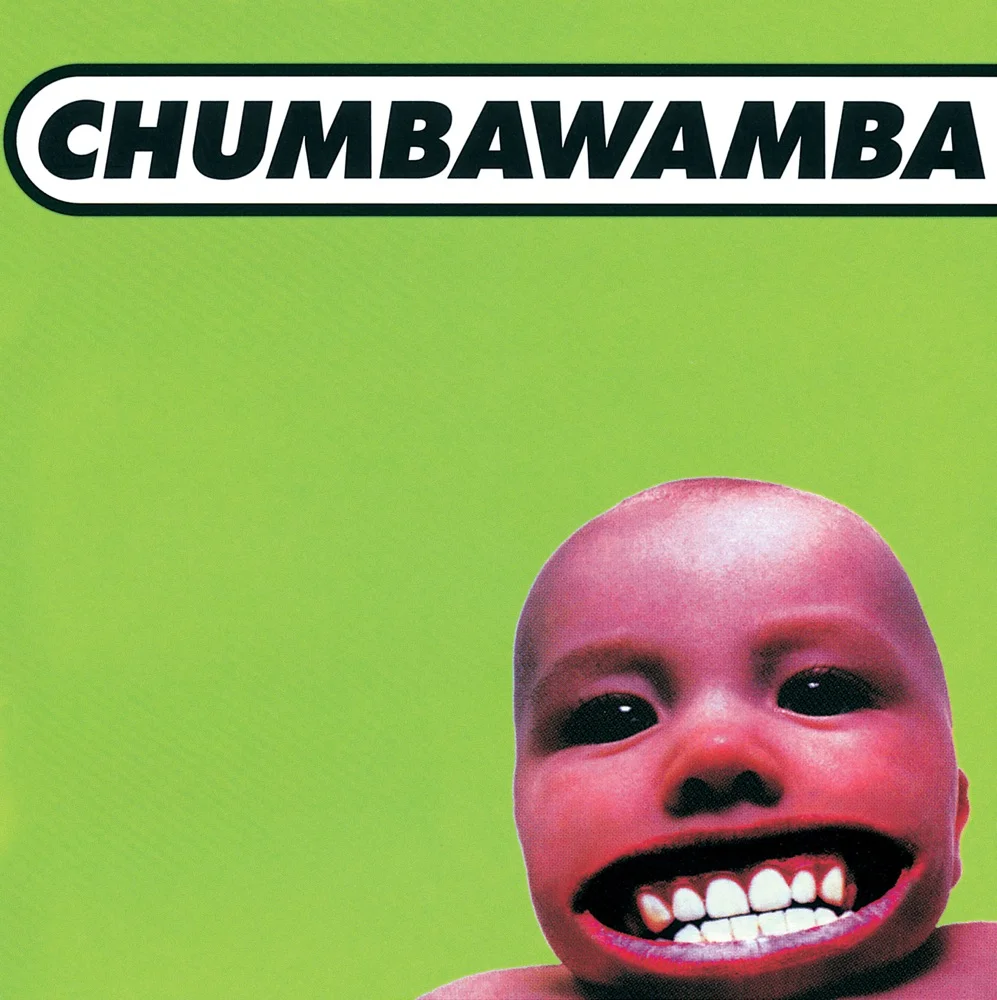
The Melodic Side of Tubthumper
"One by One" is the opening track to Chumbawamba's famous 1997 album. Unlike their chaotic hit "Tubthumping," this song requires a smoother, more controlled vocal approach. It blends alternative rock with pop sensibilities, relying heavily on vocal harmonies and distinct lyrical delivery.
To sing this well, focus on storytelling. The verses require a conversational tone that sits right in the pocket of the rhythm, while the choruses need a blended, unified sound. Let's break down the technique.
AI Coach Tip: Watch Your Diction
Because the instrumentation is somewhat repetitive and driving, your consonants need to be crisp to cut through the mix. Do not slur the words in the verses.
Phase 1: The Verses
The song starts with a driving beat. The vocal entry should be confident but not shouted. The range here is quite manageable for both male and female voices (or mixed groups). The key is the "bounce" in the delivery.
The Trap: It is easy to drag behind the beat. The song has a relentless forward motion. Practice singing against a metronome to ensure you aren't lagging, especially on the line endings.
Phase 2: The Chorus Harmonies
Chumbawamba is known for their group vocals. In the chorus of "One by One," the melody lifts. If you are singing solo, aim for the main melody line with a slightly brighter tone.
- Blending: Imagine your voice is an instrument in the mix. Don't use heavy vibrato here; a straight tone works best for this genre.
- Breathing: The phrases are moderately long. Ensure you take a deep, low breath before the chorus hits so you don't chop the lines up awkwardly.
Phase 3: Dynamics and Build
The song loops and builds in intensity. Start the first verse with a "mezzoforte" volume. By the time you reach the final minute of the song, you should be pushing more air and resonance to match the swelling instrumentation.
Maintain a consistent chest resonance throughout. Flipping into head voice or falsetto is generally not required for the lead line, making this an excellent song for practicing chest voice stamina.
Frequently Asked Questions
The main vocal melody peaks around C5, though backing harmonies may go slightly higher. It is a very safe range for most singers.
Yes, absolutely. The song sits in a very comfortable range for Baritones and Tenors alike. You can focus on the lower resonance during the verses.
Use the Singing Coach AI app to visualize the beat. Tap your foot while singing to lock your body into the groove of the track.