
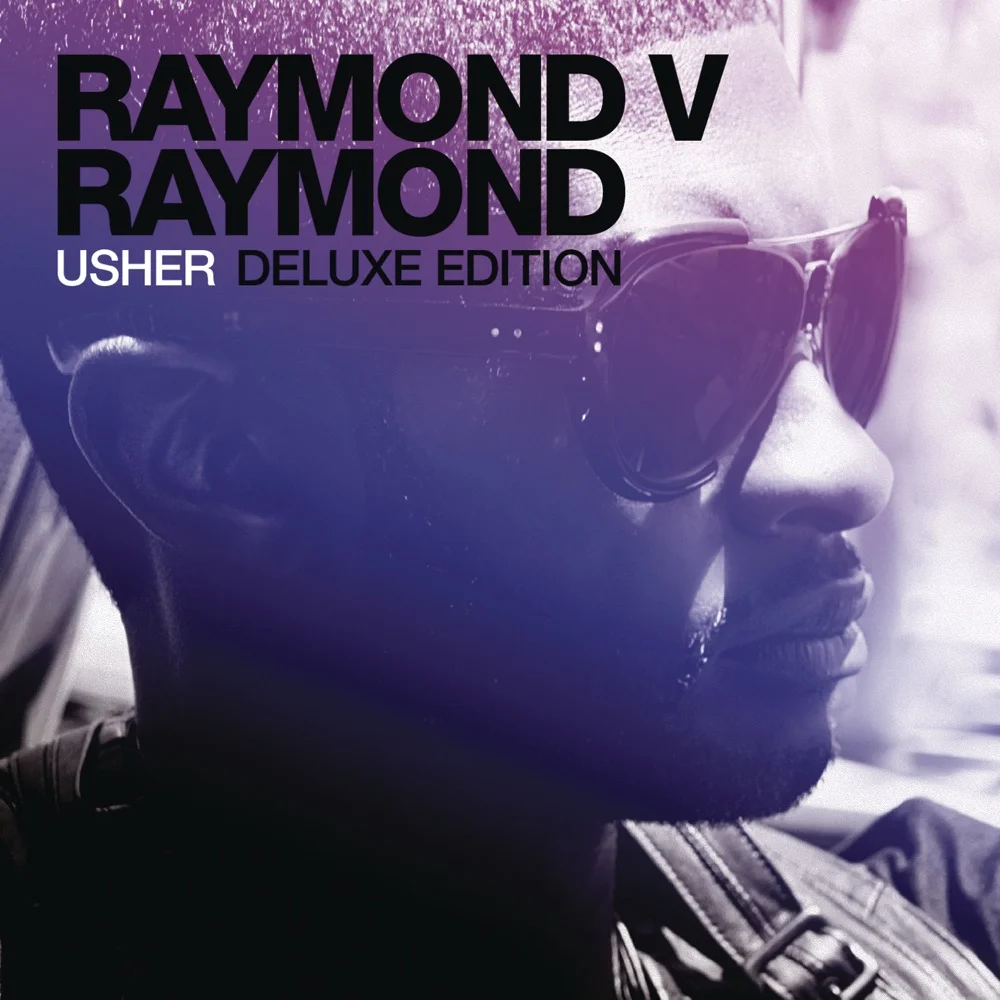
The King of Club Anthems
Usher's "OMG," produced by will.i.am, dominated the charts in 2010. While it may seem like a simple party track, singing it effectively requires a very specific set of skills: rhythmic precision, breath control for the chant sections, and the ability to switch into a light falsetto seamlessly.
The vocal style here is less about sustained power ballads and more about "pocket" singing—staying locked in with the beat. The song features heavy use of auto-tune on the original track, meaning your pitch accuracy needs to be laser-focused to match that robotic, perfect feel.
AI Coach Tip: Rhythmic Precision
Do not drag the notes in the verses. Our analysis shows that users score higher when they use a staccato, conversational delivery. Treat the verses almost like percussion.
Phase 1: The Verses (Low & Cool)
The song starts with a pulsing bassline. Usher enters with "Baby let me love you down." This sits comfortably in the lower register for a Tenor. The goal here is attitude. Keep your volume moderate and focus on clear diction.
The Trap: Getting too breathy. While you want a smooth tone, too much breathiness will make you fall behind the beat. Keep the vocal cords connected.
Phase 2: The Pre-Chorus (The Build Up)
This section ("Honey got a booty like...") is where the energy lifts. You need to be punchy with your consonants, specifically the 'P' and 'B' sounds. This helps the vocals cut through the heavy production.
Phase 3: The Chorus (The Chant)
The hook "Oh my god" is an arena chant. It sounds simple, but maintaining the pitch stability here is key. You are singing distinct steps in the E minor scale. Don't slide between notes (portamento); hit them squarely.
- The Chant: Sing with a forward, bright placement to mimic the auto-tuned resonance.
- Ad-libs: Usher sprinkles falsetto runs in the background. If you attempt these, keep them light and airy to contrast with the heavy bass.
Frequently Asked Questions
The main vocal melody tops out around a G4 in chest/mix voice. However, the falsetto ad-libs and harmonies go significantly higher.
No, but the original track heavily features it as a stylistic effect. To replicate the sound acoustically, focus on singing with very little vibrato and hitting the center of the pitch instantly.
Not at all. The main tessitura (average range) of the song is quite comfortable for Baritones. You may just need to use falsetto for the higher ad-libs.