
The Ultimate Power Ballad
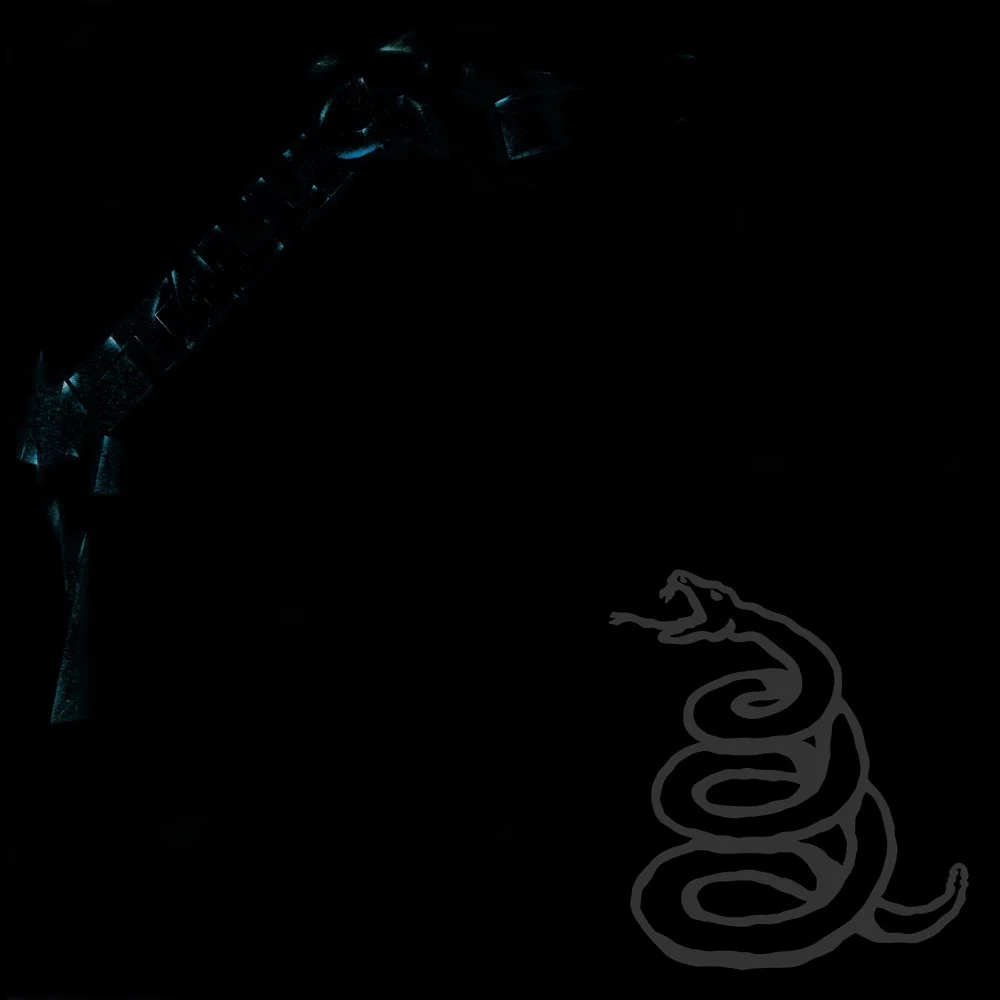
Nothing Else Matters is a cornerstone of rock history, featured on Metallica's self-titled 1991 "Black Album." Written by James Hetfield about being on the road and missing his girlfriend, it showcases a softer, more vulnerable side of the thrash metal giants. For singers, it offers a masterclass in dynamic storytelling, transitioning from a soft, intimate croon to a powerful, gritty belt.
Unlike many metal songs that rely solely on aggression, this track requires control. The challenge lies in maintaining a resonant tone in the very low register (E2) while saving enough stamina for the climax.
AI Coach Tip: Watch the Attack
Many singers over-sing the verses. The AI analysis suggests keeping the first two minutes at a volume of 3/10. Focus on a breathy, warm tone for "So close, no matter how far..." rather than pushing for power immediately.
Phase 1: The Croon (0:00 - 3:00)
The song sits in 6/8 time, giving it a swaying, waltz-like feel. The vocals enter in the low baritone range. The key here is an open throat position to ensure the low notes (down to E2) project clearly without sounding fry-heavy or weak.
Technique Check: Hetfield uses a specific vowel modification. He often rounds his vowels (e.g., "Mattered" sounds more like "Matt-oh-red") to keep the tone dark and heavy. Try dropping your jaw slightly more than usual to achieve this resonance.
Phase 2: Building the Grit (3:00 - 4:45)
As the drums kick in, the vocal intensity must rise. This is where you introduce "compression." Instead of just singing louder, imagine squeezing the air slightly to create a denser sound.
- Phrasing: Focus on the percussive nature of the consonants. Emphasize the 'T's and 'K's to match the snare drum.
- The "Yeah!": Hetfield's signature interjections require engaging the false cords. Do not scream from your throat; push from your diaphragm to add distortion safely.
Phase 3: The Climax (4:45 - End)
The final verse following the guitar solo is sung an octave higher or with significantly more intensity, hitting the G4 peak. The line "Life is ours, we live it his way" requires a full chest belt.
To nail this section, use forward placement. Aim the sound towards your front teeth (the "mask") to cut through the heavy guitar mix. If you feel tickling in your throat, you are relying too much on vocal cord constriction—relax and support more with your breath.
Frequently Asked Questions
The highest chest-voice note James hits is a G4. In live versions, he sometimes adds grit that pushes the perceived pitch higher, but the melody stays grounded.
Yes, especially for male Baritones. The tempo is slow, allowing you to focus on pitch accuracy. Tenors may find the low E2 verses challenging but can improve their lower range practicing it.
Grit should come from the false cords, not the true vocal cords. Start by making a gentle "clearing your throat" sound and sustain it. If it hurts, stop immediately and rest.