
The Ultimate 90s R&B Anthem
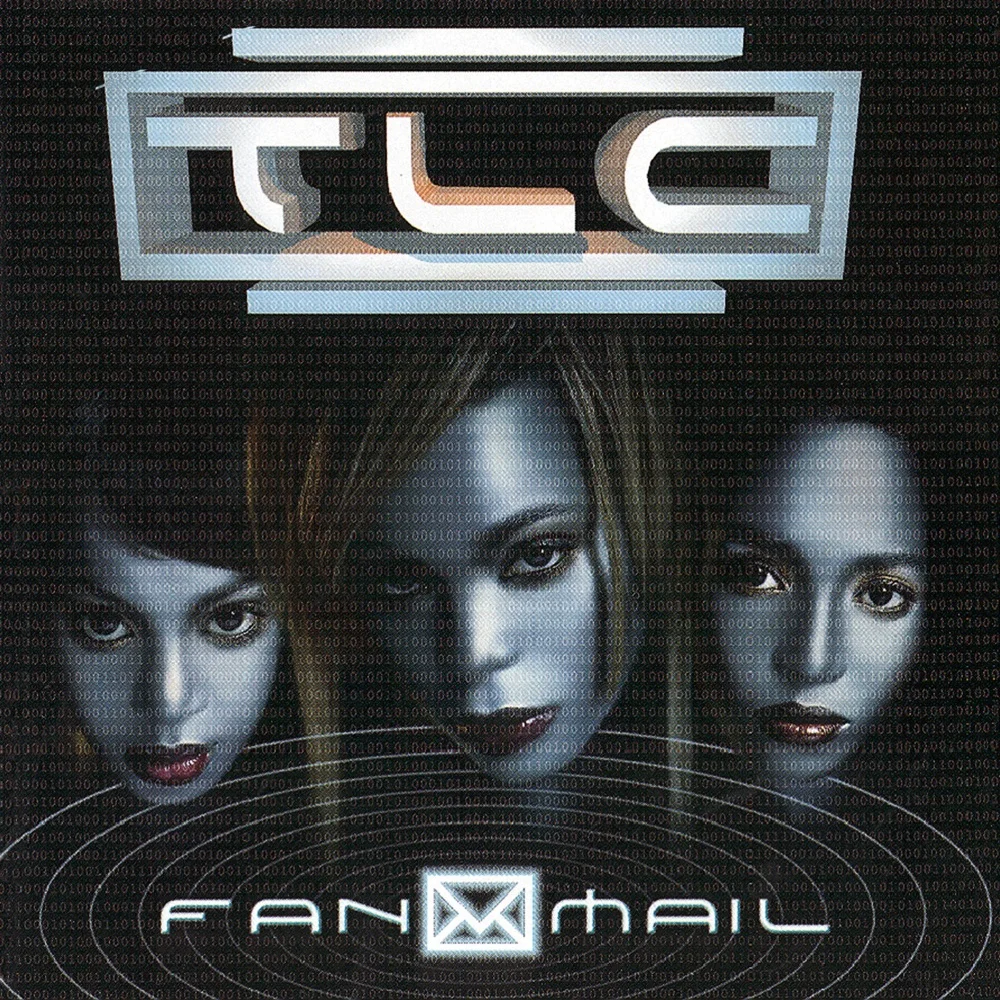
Released on TLC's 1999 album FanMail, "No Scrubs" is a masterclass in smooth, attitude-heavy R&B vocals. Unlike power ballads that require massive belting, this song demands control, rhythmic precision, and a specific tone color. The track is led by Chilli's smooth mid-range vocals, supported by T-Boz's signature low rasp, and punctuated by Left Eye's rapid-fire rap.
To sing this well, you need to sit in the "pocket" of the beat. The vocals are laid back but never lazy. Let's break down exactly how to tackle it, section by section.
AI Coach Tip: Watch Your Diction
Because the tempo is moderate (99 BPM), singers often slur their words. Our analysis shows that crisp consonant articulation on words like "pigeon," "scrub," and "passenger" significantly improves your rhythm score.
Phase 1: The Verses (Low Control)
The song stays in the key of G# Minor. The verses sit in a lower register (around G#3). This is T-Boz's territory. The challenge here is volume control; you need to project without pushing too much air, which creates a breathy sound.
The Trap: Losing pitch on the low notes. Keep your chest high and your vocal cords fully connected to maintain that rich, solid tone on lines like "A scrub is a guy that thinks he's fly."
Phase 2: The Chorus (Harmonies)
The melody lifts slightly here. The main hook "I don't want no scrub" relies on a call-and-response structure. You will need to switch to a brighter mix voice to cut through the heavy bassline.
- The "No"s: These short staccato notes need to be punchy.
- Background Vocals: The layering in the chorus is complex. The high harmony reaches a C#5. If you are harmonizing, keep your tone lighter to blend with the lead.
Phase 3: The Rap Bridge (2:25 - 2:55)
Left Eye's verse changes the dynamic completely. This section is not about melody; it's about flow. The rhyme scheme is dense, and the delivery needs to be aggressive yet playful.
To nail this, practice the lyrics slowly. Focus on the internal rhymes ("looking like class," "looking like trash"). You need excellent breath support to get through the longer phrases without gasping.
Frequently Asked Questions
The highest sung note in the main melody is a C#5 during the ad-libs and harmonies. The lead vocal stays mostly within the octave of G#3 to G#4.
Yes. The range is very accessible for most female voices (Mezzo-Sopranos and Altos). The main challenge is the rhythmic flow rather than pitch height.
Focus on "attitude." Don't sing it too prettily. Use a slightly flatter, conversational tone in the verses, and save the melodic singing for the chorus.