
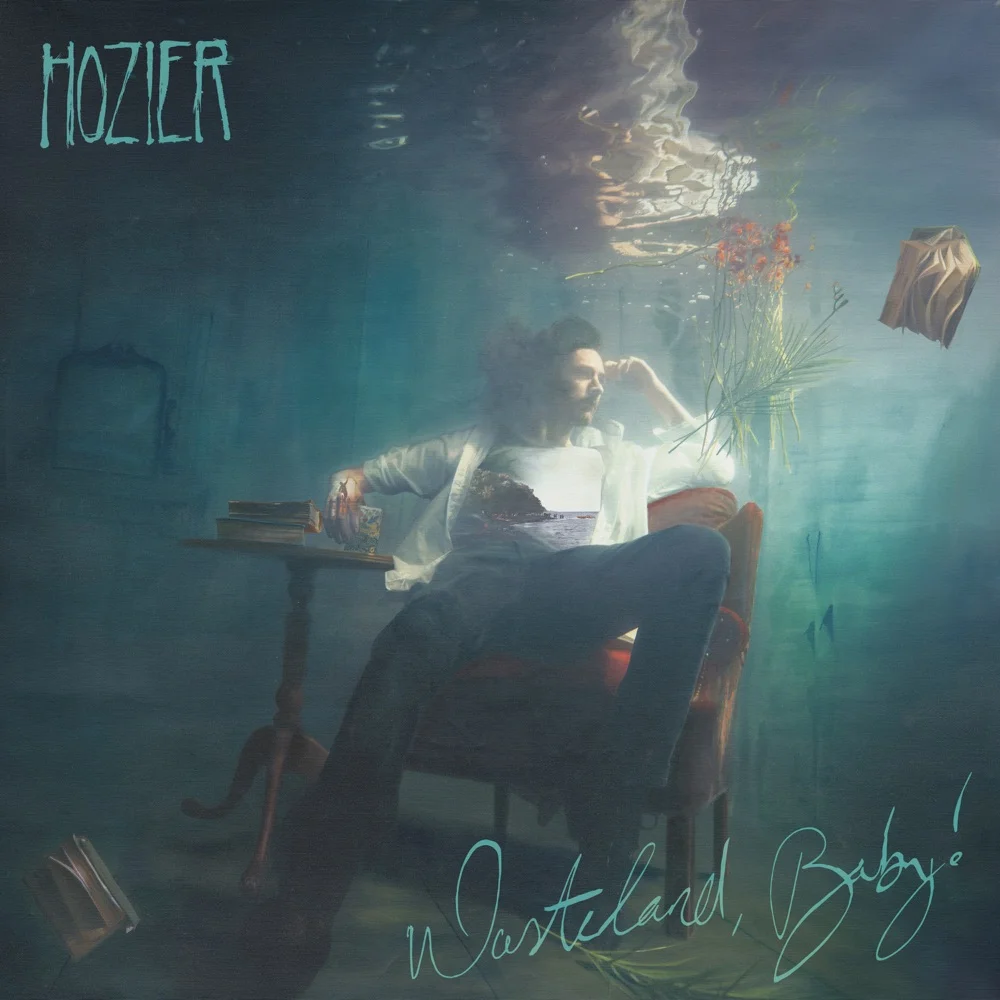
A Tribute to Protest Music
Nina Cried Power is a thunderous anthem that pays homage to the legacy of protest singers like Nina Simone, Billie Holiday, and James Brown. Hozier brings his signature dark baritone, paired with the legendary Mavis Staples, creating a track that sits squarely between rock, soul, and gospel.
Singing this song isn't just about hitting the notes—it's about conviction. The track builds from a simmering, rhythmic verse into an explosive, choir-backed chorus. You need to manage your energy carefully to ensure you have enough "tank" left for the final minute.
AI Coach Tip: Safe Distortion
Many singers hurt their throats trying to mimic the grit in Hozier's voice. Do not squeeze your throat. The grit should come from air pressure and diaphragm support, not vocal cord tension. Practice clean first, then add texture.
Phase 1: The Verses (0:00 - 1:12)
The song opens with a driving drum beat and piano chords. Hozier stays in his comfortable lower register here (F2 - C3). The key is rhythmic precision. The delivery is almost spoken-word or "sung-speech."
The Trap: Because the notes are low, singers often drop their placement, making the voice sound muddy. Keep a "buzz" in your chest and forward in the mask to ensure the lyrics "It's not the wakin', it's the risin'" cut through the mix.
Phase 2: The Chorus Belt (1:12 - 2:05)
The energy lifts significantly. On the line "And I could cry power," you are belting up to the F4 and G4 region. This requires open vowels. If you close your mouth too much on "Power," you will strain.
- Resonance: Aim for the hard palate. The sound should feel big and roomy.
- Vowel Mod: Modify "Power" slightly towards "Pah-wer" to keep the throat open on the high note.
Phase 3: The Gospel Bridge (Mavis's Turn)
When Mavis Staples enters, the song turns into a call-and-response gospel session. This section is loose, improvisational, and heavy on attitude. You will need to switch between rapid-fire delivery of the names (Nina, Billie, Mavis) and sustained, soulful wails.
For the climax, ensure you are breathing deeply into your lower back. The repetitive chanting of "Power!" at the end can be exhausting if you are breathing shallowly.
Frequently Asked Questions
The main vocal melody belts up to a G4/A4 during the climax. However, the backing vocals and ad-libs reach higher into the 5th octave.
Yes, but the low verses (F2) might be quiet for a natural Tenor. You can focus on the power of the chorus, or use the Singing Coach AI app to transpose the track up +2 semitones.
Soul is about delaying the beat slightly (back-phrasing) and using "scoops" to slide up to the pitch, rather than hitting it directly every time.
