
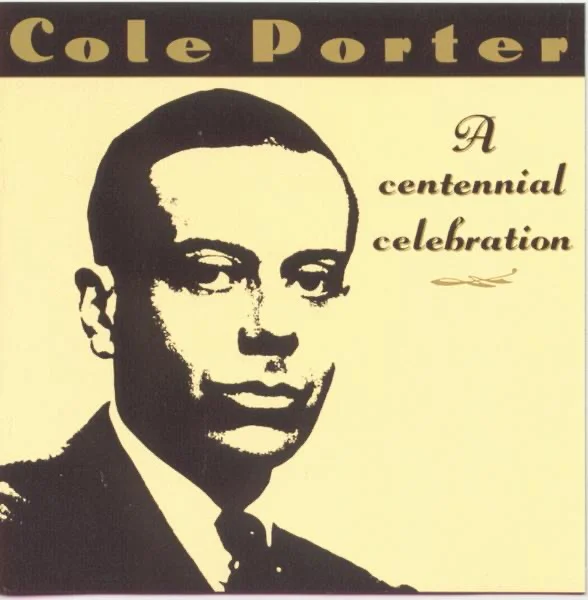
The Quintessential Jazz Standard
Night and Day is perhaps Cole Porter's most famous contribution to the Great American Songbook. Written for the 1932 musical Gay Divorce, it became a signature song for Fred Astaire. The song breaks from the traditional 32-bar structure, featuring a repeated verse note and a highly chromatic chorus that challenges even experienced singers.
To sing this well, you need to master the "crooner" technique: a conversational tone, impeccable diction, and a smooth legato line that glides over the complex harmonies without sounding forced. Let's break down the mechanics.
AI Coach Tip: Watch Your Pitch
The chorus features a difficult semitone descent. Users often sing the intervals too wide, landing flat or sharp. Focus on "small steps" between notes rather than jumps.
Phase 1: The Verse ("Like the beat, beat, beat...")
The verse is unique because it stays almost entirely on a single note (the dominant of the key). The lyrics mimic the "beat of the tom-tom."
The Trap: Because the pitch doesn't change, singers often lose energy or rhythm. You must maintain a steady, driving internal metronome. Use dynamic swelling (crescendo) to build tension towards the chorus without shouting.
Phase 2: The Chorus A Section ("Night and day...")
The melody here is famous for its chromaticism. On the line "Night and day, you are the one," the melody starts low and climbs. Conversely, on "Only you beneath the moon and under the sun," the melody descends in half-steps.
- Legato: Connect the words smoothly. Imagine a continuous ribbon of sound.
- Intonation: The AI Coach tracks these semitones closely. If you aren't precise, the jazz harmony underneath will clash with your voice.
Phase 3: The Bridge/B Section ("Night and day, under the hide of me")
This is the emotional climax. The melody jumps higher (usually to an Eb4 or F4). Fred Astaire sang this with a mix of chest voice and a lighter, heady placement to keep it elegant.
Avoid "belting" this section like a rock song. Instead, keep the throat open and use "speech-level" singing. Think of it as an intensified conversation rather than a power ballad display.
Frequently Asked Questions
In the standard key of Eb Major, the highest note is typically an F4 (on "torment won't be through"), though some versions cap at Eb4.
It is approachable because the range is not extreme. However, the chromatic pitch accuracy required makes it a "Medium" difficulty song to master perfectly.
Focus on relaxed breath support, clear enunciation of consonants, and a warm tone. Don't push too much air; let the microphone do the work.

