
The Ultimate Breakup Anthem
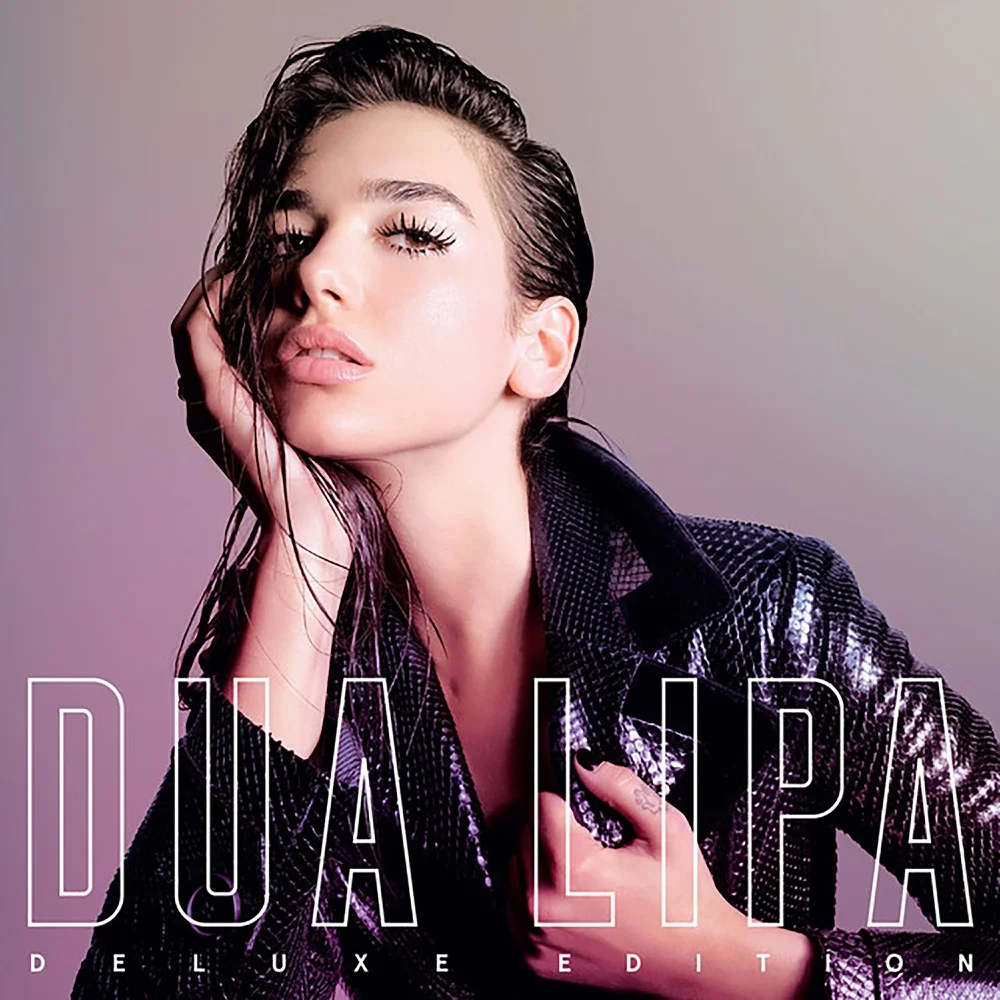
"New Rules" is a masterclass in modern electropop phrasing. Released on Dua Lipa's self-titled debut album, this song focuses less on expansive range and more on attitude, rhythm, and tone color. The verses sit comfortably in a lower tessitura, while the chorus demands a punchy, staccato delivery.
To sing this well, you need to master the art of "talk-singing" without losing musicality. The challenge lies in maintaining breath support during the rapid-fire lists of rules and keeping the chorus energetic without shouting.
AI Coach Tip: Watch Your Diction
The numbers "One... Two... Three..." in the chorus need to be crisp and percussive. Our analysis shows that users who slur these words score 15% lower on average. Treat your voice like a drum here.
Phase 1: The Verses (Low & Rhythmic)
The song starts in the lower end of the female register (around A3). For "Talking in my sleep at night," aim for a relaxed larynx. You want a warm, chesty sound.
The Trap: Many singers lose volume here because the notes are low. Instead of pushing down with your chin, keep your posture tall and engage your core to support these lower frequencies.
Phase 2: The Pre-Chorus & Chorus
The energy builds on "Here he comes..." leading into the drop. The chorus ("I got new rules, I count 'em") is sung in a strong chest/mix voice. It sits higher, around C5, but shouldn't sound thin.
- Rhythm: The melody is syncopated. You must be locked in with the beat.
- Volume: Do not belt the chorus at full volume immediately. Save the power for the final repetition.
- Breath: Take quick "sips" of air between the numbered rules to maintain stamina.
Phase 3: The Bridge & Ad-Libs
The bridge ("Practice makes perfect") is a repetitive mantra. Gradually increase your intensity with each loop. In the final chorus, Dua Lipa adds ad-libs that reach up to E5. These should be sung in a heady mix or strong falsetto to cut through the heavy production.
Focus on the "cry" in your voice on the word "love" to emulate the emotional style of the original recording.
Frequently Asked Questions
The highest note is an E5 found in the background ad-libs during the final chorus, though the main melody generally stays below D5.
It is moderately difficult. While the range isn't extreme, the rhythmic precision and the need for strong breath control in the verses make it a technical challenge.
This song is perfect for Altos and Mezzo-Sopranos due to the heavy use of the lower register in the verses.