
The "Stutter" Heard 'Round the World
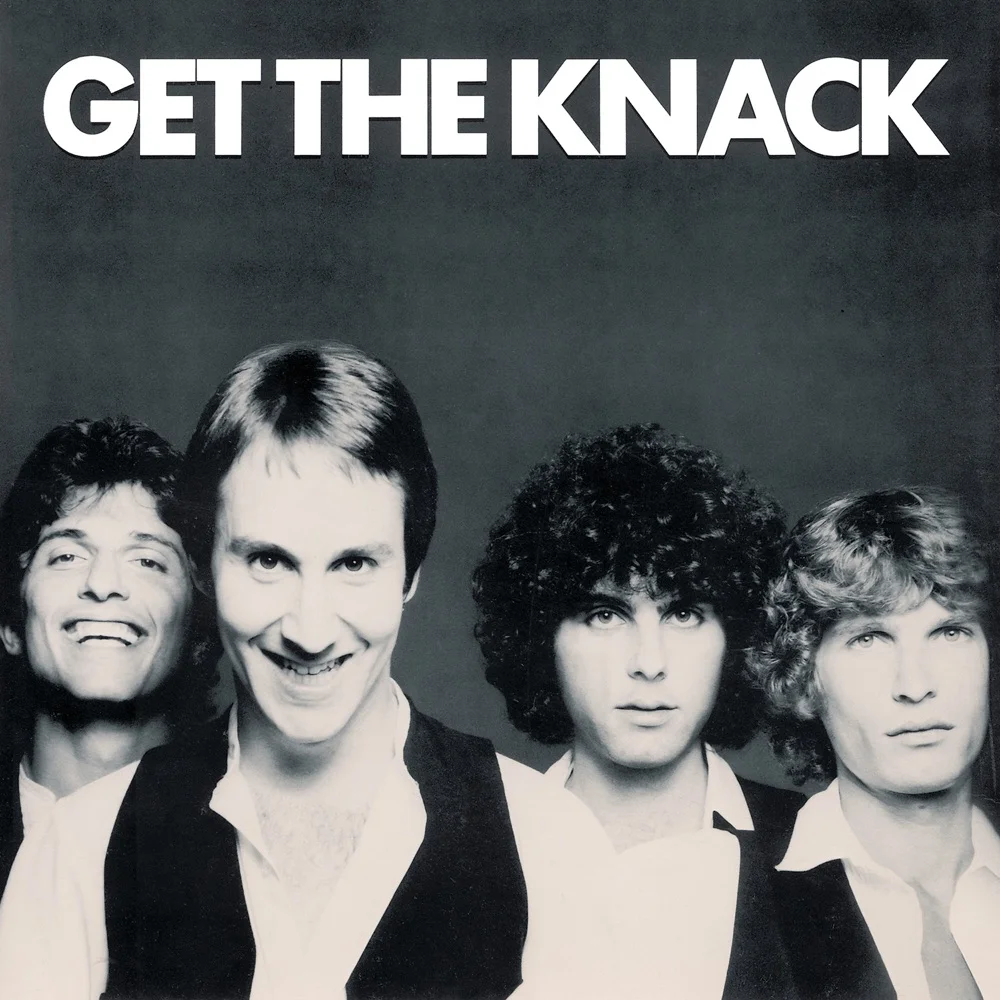
Released in 1979 on Get The Knack, "My Sharona" became an instant classic due to its driving bassline and Doug Fieger’s frenetic vocal delivery. Unlike melodic ballads, this song is about percussive singing. It sits squarely in the "New Wave" and "Power Pop" genres, requiring a vocal approach that is less about vibrato and more about attack and timing.
While the notes themselves aren't extremely high, maintaining the energy and the crisp diction required for the verses and choruses over nearly five minutes is a workout for any vocalist. Here is the strategy for nailing it.
AI Coach Tip: The Diaphragm Stutter
Don't create the "M-m-m-my" stutter by closing your throat. Use small, rapid pulses from your diaphragm (stomach) to separate the sound. This keeps your throat open and prevents fatigue.
Phase 1: The Percussive Verse
The song is built on a G Major foundation. The verses ("Ooh, my little pretty one, my pretty one") are delivered in a staccato style. You are essentially acting as a percussion instrument here. The notes are short, detached, and punchy.
The Trap: Many singers drag the tempo. You must sing slightly "on top" of the beat, not behind it. Keep your consonants (P, T, K) very crisp to cut through the heavy bass and drums.
Phase 2: The Stuttering Chorus
This is the most famous part of the song. The line "M-m-m-my Sharona" requires coordination. The pitch jumps up to a G4, which is the "break" area for many baritones.
- The Vowel: Modify the "My" vowel slightly towards "Mah" to keep the throat open on the G4.
- The Attack: Don't slide into the notes. Hit them cleanly. The energy should be explosive.
- Breath: Take a quick, deep breath before the stutter sequence to ensure you have enough support to finish the phrase strong.
Phase 3: The Whisper to Scream
The bridge sections drop down in volume ("When you gonna give it to me..."). This requires dynamic control. You need to sing with intensity but at a lower volume (mezzo-piano), and then ramp up quickly back to the full voice belt for the guitar solo section.
To achieve this, use "vocal fry" or a breathier tone for the quiet parts, but keep your engagement high so you don't go flat in pitch.
Frequently Asked Questions
The sustained belt in the chorus hits a G4. There are some ad-libs and shouts that may go higher, but the core melody tops out at G4.
Yes, this is an excellent song for Baritones. The G4 top note is challenging but attainable with a good chest mix, and the lower verses sit in a very comfortable range.
The lyrics are rapid-fire. Map out exactly where you will breathe (usually after "pretty one" or "time") and practice taking "sip" breaths—quick intakes of air through the mouth.