
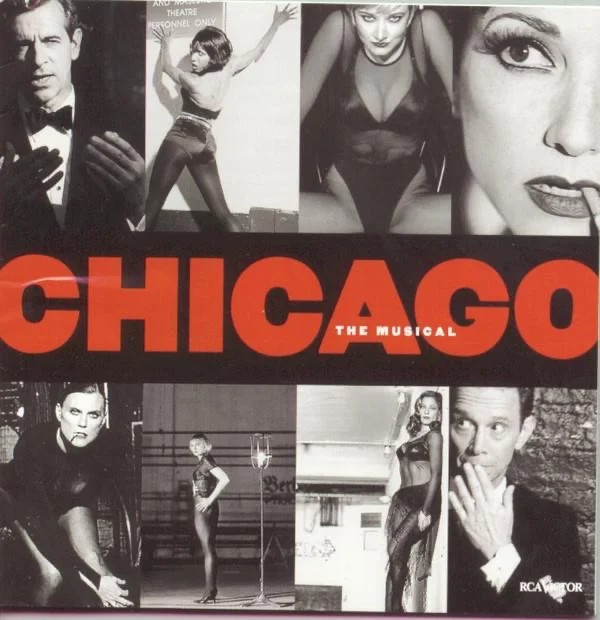
The Ultimate Self-Reliant Anthem
"My Own Best Friend" is a pivotal moment in Kander & Ebb’s Chicago. It is a duet of survival, sung by Roxie Hart and Velma Kelly as they realize the world—and their lawyer—might have left them behind. While it can be performed as a solo, the track demands the energy of a full ensemble.
To sing this well, you need to channel the 1920s vaudeville aesthetic. This means bright, forward vocal placement, sharp consonant articulation, and a healthy dose of cynicism. Let's break down exactly how to tackle it.
AI Coach Tip: Bright Tone
Musical theatre requires a "brighter" sound than pop. Smile slightly while singing to raise your soft palate and cheekbones. This helps project the sound forward and keeps the pitch from going flat during the lower verses.
Phase 1: The Set-Up (Verses)
The song begins with a conversational, almost dry delivery. The line "The one thing I can count on" sits comfortably in the chest voice for Altos and Mezzos. The challenge here is not range, but character.
The Trap: Don't sing this too "prettily." Roxie and Velma are criminals in a corrupt system. Use a slightly harder attack on the words to convey their grit and determination.
Phase 2: The Chorus (The Belt)
As the song builds to "I am my own best friend," you need to switch to a confident mix-belt. The melody climbs towards C5 and D5. These notes need to ring out with authority.
- Breath Support: Engage your diaphragm firmly. If you rely on throat tension, the sound will become shrill.
- Vowel Shapes: Modify the "Friend" vowel to be slightly more open (towards "Frend-ah") to maintain resonance on the sustained note.
Phase 3: The Finale
The end of the song often involves a harmonies split if singing the duet version, or a big finish solo. The rhythm is a strict march. Do not backphrase (sing behind the beat) too much; the driving force of the song comes from being right on top of the beat.
Focus on the final sustained note. Keep the vibrato minimal until the very end of the note for a classic Broadway finish.
Frequently Asked Questions
Depending on the arrangement and ad-libs, the highest belted note usually hits an E5, though the core melody sits comfortably around C5/D5.
Absolutely. While written as a duet for Roxie and Velma, it is a staple solo piece for auditions. The Singing Coach AI app allows you to practice the lead line independently.
The lyrics are fast and rhythmic. Practice speaking the lyrics in rhythm without singing pitch first to get the muscle memory of the tongue twisters down.