
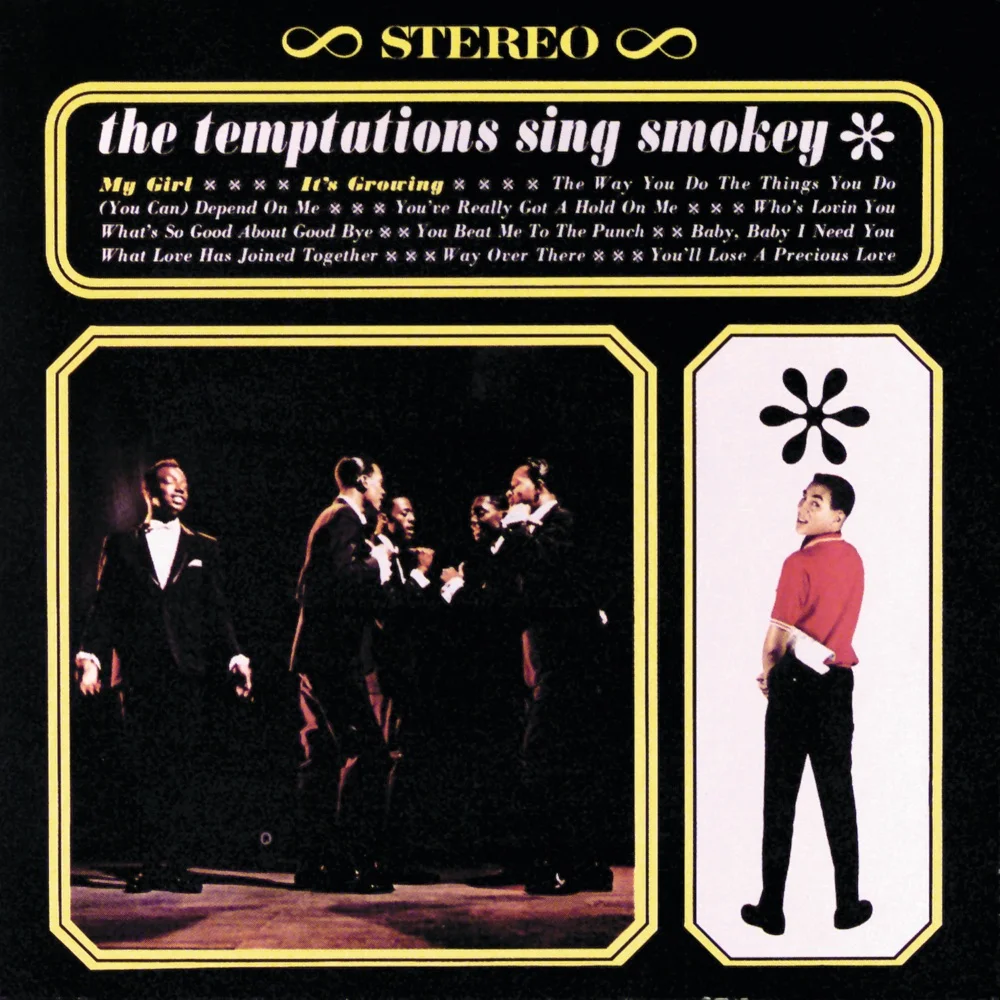
The Definitive Motown Anthem
Released in 1964, "My Girl" became The Temptations' first number-one single. Written by Smokey Robinson specifically for David Ruffin's voice, the song is a masterclass in controlled dynamics and soulful delivery. Unlike modern pop songs that often stay at high energy throughout, this track requires you to build intensity slowly.
To sing this well, you need to balance a bright, optimistic tone with enough grit in the upper register to convey genuine emotion. It’s less about vocal gymnastics and more about tone placement and phrasing.
AI Coach Tip: Watch Your Diction
Many singers slur the words in the verses. David Ruffin sings with precise, crisp diction even while staying soulful. Ensure you enunciate the "t" in "out" and the "d" in "cold".
Phase 1: The Verses (C Major)
The song opens with the iconic bass riff. Your entry on "I've got sunshine" needs to be effortless. The melody relies heavily on the major pentatonic scale, making it very catchy but exposing any pitch issues immediately.
The Technique: Smile while you sing. Literally lifting your cheeks brightens the resonance and helps you achieve that classic Motown sound on lines like "When it's cold outside." Keep the volume at a medium level (mezzo-forte).
Phase 2: The Chorus Build
The transition to "I guess you'd say..." acts as a ramp. You need to increase your breath pressure here. The chorus "My Girl, My Girl" sits higher in the chest voice. Avoid pinching your throat; instead, think of the sound vibrating in your hard palate (behind your top teeth).
Phase 3: The Modulation (Key Change)
After the instrumental bridge, the song modulates from C Major up to D Major. This shift lifts the energy of the song for the final act.
- The Transition: You must mentally prepare for the pitch jump. The new "My Girl" (in D) requires more support than the previous ones.
- The Ad-libs: In the outro ("Hey hey hey"), Ruffin uses a grittier, gospel-infused belt. This is your chance to improvise, but keep it within the D Major scale.
Frequently Asked Questions
The highest belted note is an A4, which occurs during the ad-libs in the final section after the key change.
Yes. While David Ruffin was a tenor, the tessitura (average range) of the song sits comfortably for high baritones. You may need to modify your vowels on the high A4 or transpose it down -1 semitone in the app.
Soul comes from the "cry" in the voice. Practice a slight vocal fry on the onset of phrases and use delayed vibrato at the end of held notes.