
The Cynical Anthem of Cabaret
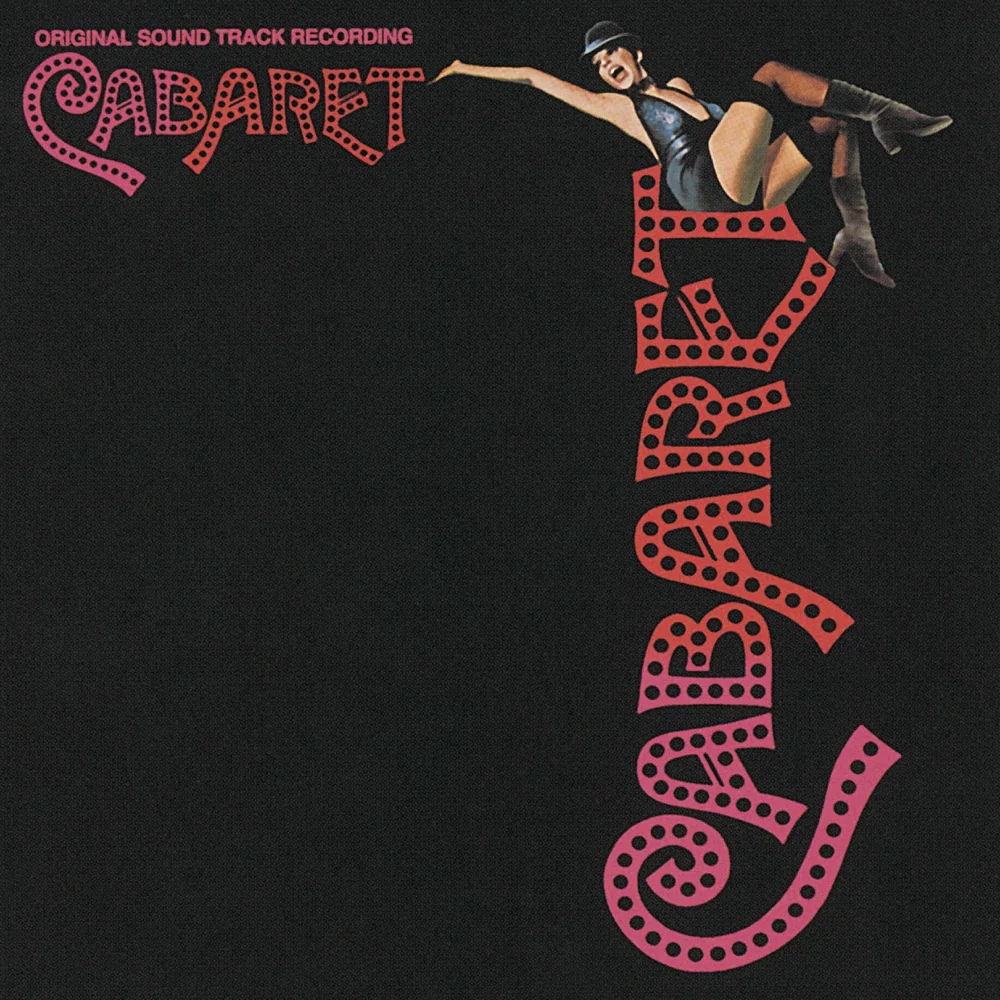
"Money Money" (also known as "Money Makes the World Go Round") is a masterclass in character singing. Performed by Liza Minnelli (Sally Bowles) and Joel Grey (The Emcee) in the 1972 film adaptation of Cabaret, this song demands more than just hitting the notes—it demands attitude.
The song is built on a heavy, mechanical beat that mimics the churning of industry and the clinking of coins. To sing this successfully, you must adopt a "brass" quality in your voice. It should feel sharp, cynical, and rhythmically precise.
AI Coach Tip: Percussive Diction
Do not slur your words. The AI detects consonant clarity. When listing currencies ("Mark, yen, buck, pound"), treat your mouth like a percussion instrument. Short, staccato delivery will boost your rhythmic accuracy score.
Phase 1: The Mechanical Pulse
The verse relies on a repetitive, driving rhythm. Whether you are singing Sally's lines or the Emcee's, keep your vibrato to a minimum here. The tone should be straight and piercing.
The Trap: Many singers drag the tempo. This song must feel like a runaway train. Stay right on top of the beat, anticipating the snare drum hits.
Phase 2: The Character Duet
This is a conversation between two opportunists. If you are singing the Emcee's part, use a nasal, "sly" placement (think of smiling while singing to brighten the sound). If you are singing Sally's part, use a chest-heavy belt to convey her desperation and drive.
- The Harmonies: The chorus features tight intervals (often thirds). Listen closely to the backing track to ensure you aren't drifting into your partner's note.
- Dynamics: Start the verses at a mezzo-forte, but build the volume significantly as the brass section swells in the chorus.
Phase 3: The Big Finish
The final section requires stamina. As the key modulates and the energy peaks, you'll need to sustain high belt notes (up to C#5/D5 depending on the arrangement) while maintaining the character's manic energy.
Avoid "squeezing" the high notes. Use your diaphragm for support and keep the sound forward in the "mask" of your face to project over the band without straining your throat.
Frequently Asked Questions
The highest belted notes generally hit around C#5 or D5, depending on the specific arrangement and ad-libs used in the film version.
Yes, though it is written as a duet. If singing solo, you will need to switch quickly between the two character attitudes, or choose one melody line to follow in the chorus.
Focus on "twang." It's a brighter, sharper sound often used in musical theatre. Avoid a breathy pop tone; this song needs to cut like a knife.