
Mastering the Blues Stomp
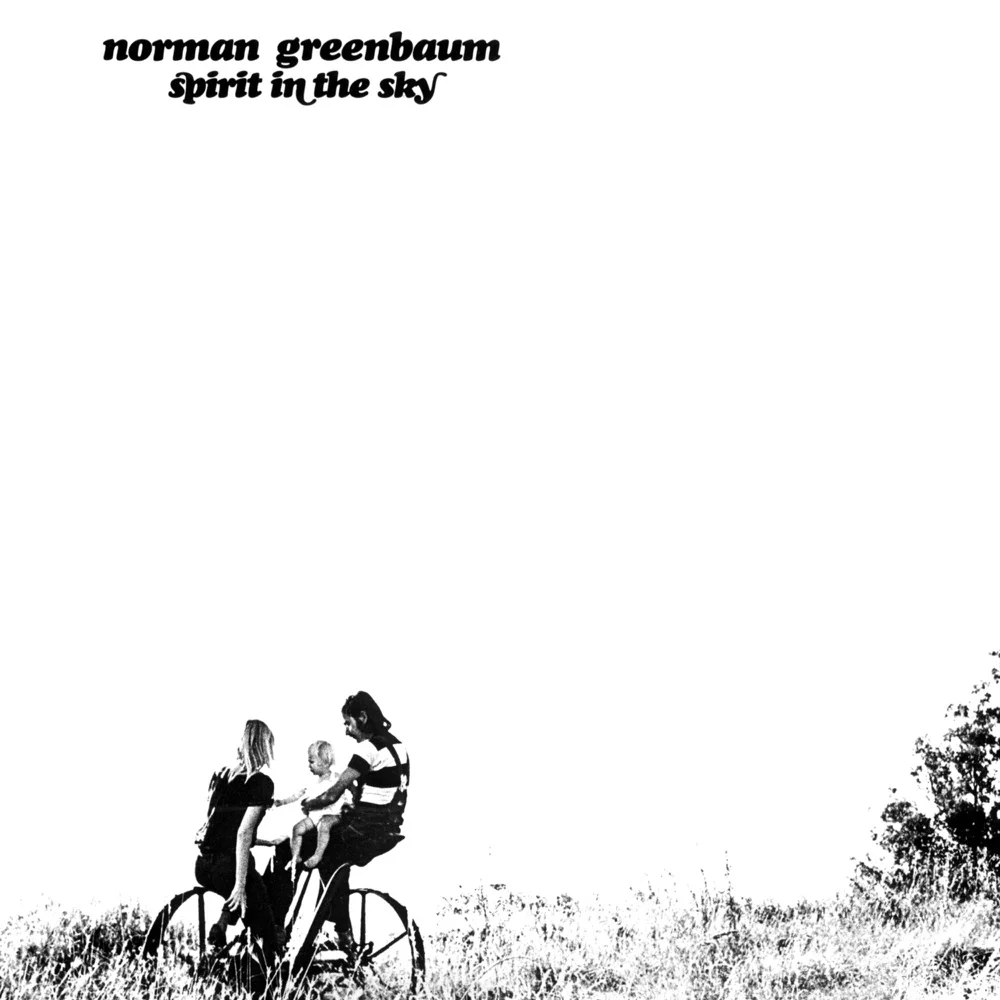
Norman Greenbaum is best known for "Spirit in the Sky," but "Milk Cow" captures the raw, psychedelic blues-rock energy of the late 60s perfectly. It is a track defined by its driving rhythm, heavy fuzz bass, and a vocal delivery that sits somewhere between singing and shouting.
To perform this song effectively, you need to step away from "pretty" singing. This track demands attitude, a strong chest resonance, and a relaxed, open throat to handle the grit without causing vocal fatigue. Let's break down the technique.
AI Coach Tip: Watch the Attack
Many singers arrive late on the phrase. Our analysis shows that anticipating the downbeat slightly—or hitting it dead on with a percussive consonant—improves the "stomp" feel of the song.
Phase 1: The Rhythm & Groove
The song is anchored by a heavy, plodding beat. Unlike a ballad where you might float over the music, here you must lock in with the drums. Your voice acts as a rhythmic instrument.
The Trap: dragging the tempo. Because the song is heavy, it's easy to get lazy with the phrasing. Keep your consonants sharp to maintain momentum.
Phase 2: The Gritty Tone
Greenbaum’s vocal quality in this era was distinctive—nasal but powerful. To achieve this safely:
- Placement: Focus the sound forward, towards the "mask" of your face (nose and cheekbones). This gives the voice a cutting quality needed to compete with distorted guitars.
- Compression: Use safe glottal compression to add "dirt" to the sound. Do not push from the throat; support heavily from the diaphragm.
- Vowel Shapes: Keep vowels slightly narrower than in classical singing to maintain that rock "twang."
Phase 3: Blues Inflections
This is a blues track at heart. You shouldn't sing every note squarely on pitch immediately. Use "scoops" and "slides" to approach notes from below. This adds the necessary soul and character to the performance.
Listen closely to how Greenbaum bends the thirds and sevenths of the scale—these "blue notes" are essential for authenticity.
Frequently Asked Questions
The song primarily sits in a comfortable Baritone/Tenor range, roughly G2 to G4. It relies more on power in the middle range than high notes.
It is considered intermediate. While the pitch range isn't extreme, maintaining the stylistic attitude and rhythmic precision requires good breath control.
Start with a clean "twangy" sound (like a witch's cackle). Once that resonance is established, add breath support. If you feel tickling or pain in the throat, stop immediately and rest.