
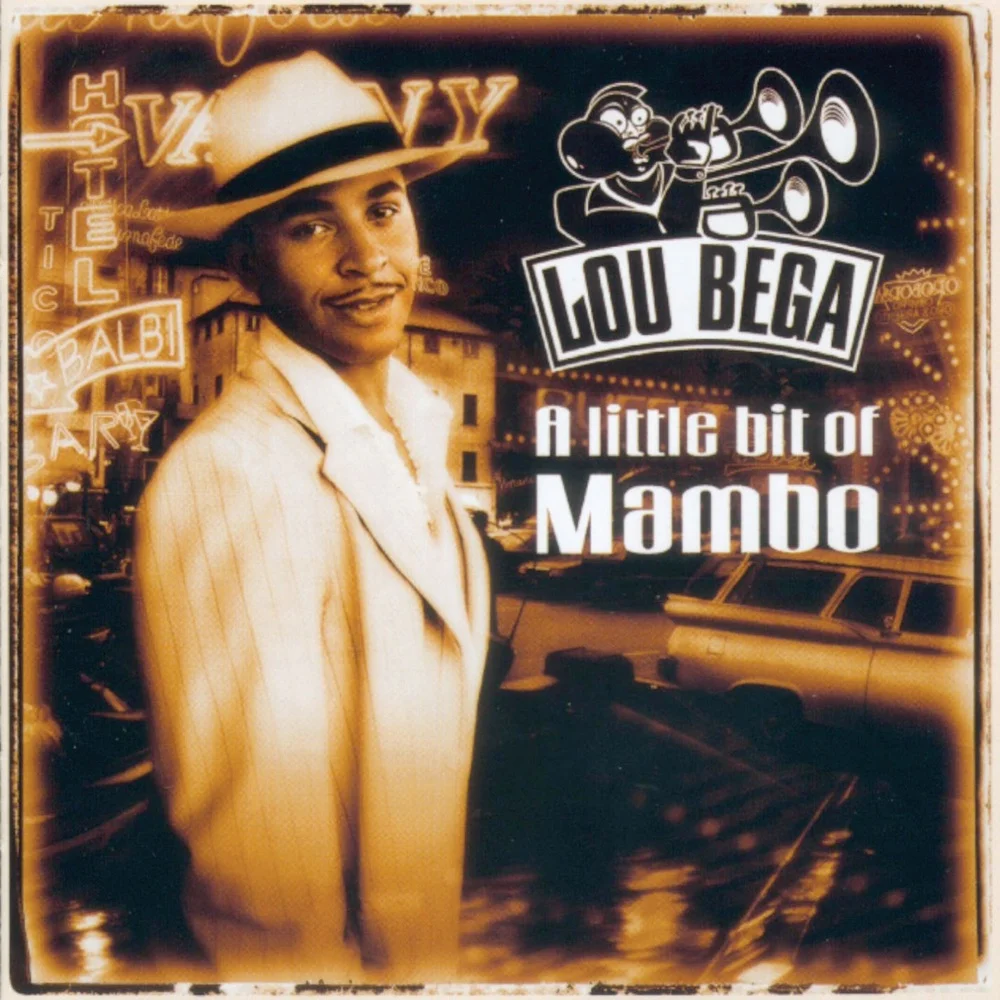
The King of Latin Pop Revivals
"Mambo No. 5" is more than just a catchy tune; it's a test of rhythmic endurance and charisma. Originally an instrumental mambo composed by Pérez Prado in 1949, Lou Bega transformed it into a global pop phenomenon in 1999. The track blends 1950s swing with modern pop production, requiring a vocalist who can bridge the gap between singing and rhythmic speaking.
To sing this well, you don't need a massive vocal range, but you do need "swag." The delivery is confident, playful, and incredibly precise. Slurring words or dragging behind the beat will ruin the effect. Let's break down how to tackle the flow.
AI Coach Tip: Watch Your Diction
The rapid-fire list of names (Monica, Erica, Rita, etc.) is the hardest part. Our analysis shows users often rush this section. Practice slowly to ensure every consonant is crisp before speeding up to the track's tempo.
Phase 1: The Intro & Count (0:00 - 0:13)
The song starts with the iconic "Ladies and gentlemen..." spoken intro. Keep your voice low, resonant, and inviting. Then comes the "One, two, three-four-five."
The Trap: Many singers lack the punchiness here. This count-in sets the energy for the whole song. Make the numbers staccato (short and detached) and land right on the beat.
Phase 2: The Verses (The List)
The verses are spoken-sung in a style often called Sprechgesang. You aren't quite rapping, but you aren't singing a melody in a traditional sense either. You are pitching your speaking voice to the rhythm.
- Breath Control: The line "A little bit of Monica in my life..." continues for several bars without many pauses. Take a deep, low breath before you start the list.
- Consonants: Emphasize the 'T's and 'K's in names like Rita, Tina, and Erica to cut through the heavy brass instrumentation.
Phase 3: The Chorus & Brass
While the instrumental hook does most of the melodic work, your ad-libs and the "Mambo No. 5!" shouts need to be bright and forward. Smile while you sing this section; it physically lifts the soft palate and gives your voice a brighter, "happier" tone that matches the party vibe of the track.
Frequently Asked Questions
Not at all. Lou Bega sings this in a Baritone range. The notes are low and accessible, making it a great song for lower voices who want an energetic track.
Use the Singing Coach AI app to slow the tempo down to 75%. Master the tongue-twisting names at a slower speed, then gradually increase it back to 100%.
The vocal melody rarely goes above a C4 (middle C), though energetic shouts might pitch higher. It is very safe for almost all male voice types.