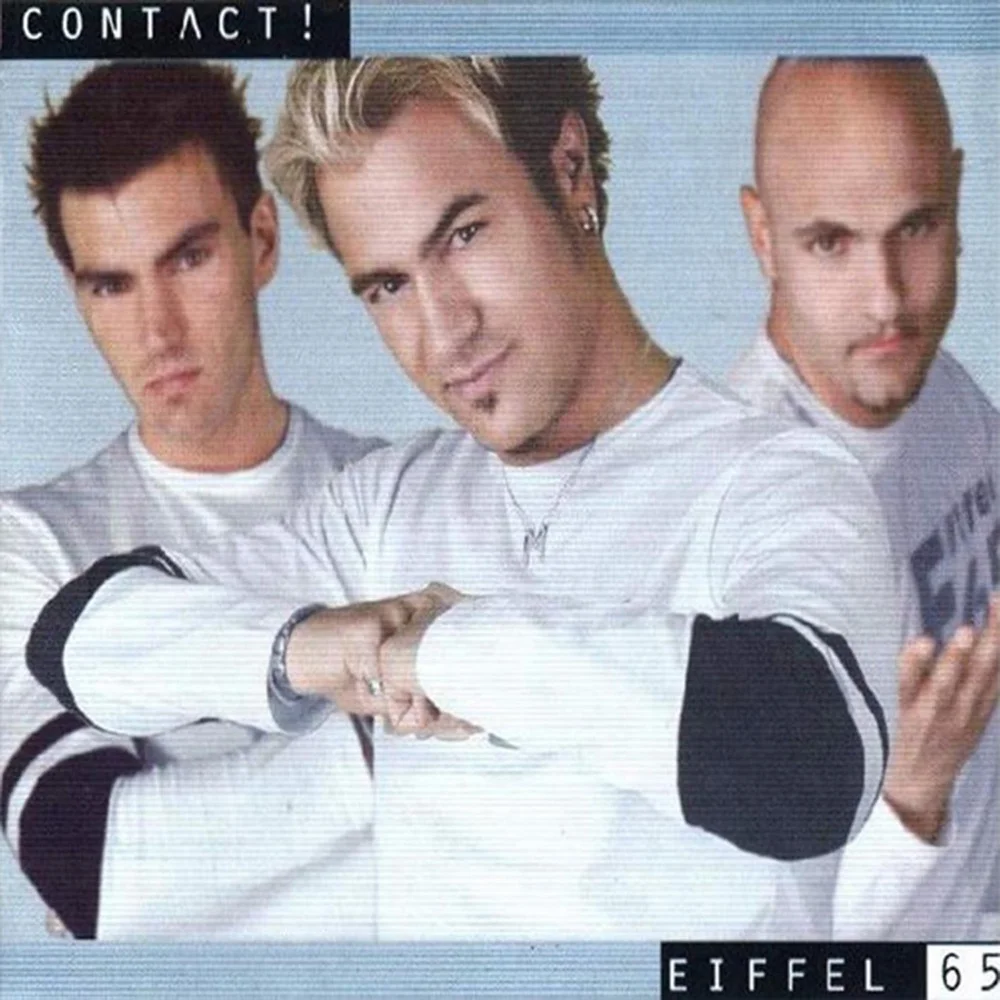
The Eurodance Anthem of 2001
"Lucky (In My Life)" was the highly anticipated follow-up to the global smash hit "Blue (Da Ba Dee)." While it follows a similar electronic structure, the vocal performance requires a distinct approach. Jeffrey Jey, the lead singer, utilizes a deep, resonant speaking-singing style in the verses that contrasts sharply with the melodic, high-energy chorus.
To sing this track effectively, you need to abandon traditional "soulful" techniques like heavy vibrato or sliding between notes. Eiffel 65's sound is built on digital precision. Let's break down how to replicate that robotic cool factor naturally.
AI Coach Tip: Straight Tone is Key
The original vocal is heavily processed with pitch correction. To score high in the app, use a "straight tone" (zero vibrato). Imagine you are a machine—hit the note dead center immediately, rather than scooping up to it.
Phase 1: The Verse (Spoken Rhythm)
The verses ("Here I go... I'm a easy going fellow") are sung in a low Baritone register (A2-C#3). This isn't quite singing, but it's not quite rapping either.
The Technique: Keep your larynx low and relaxed to maintain that warm, dark resonance. Focus entirely on diction. Consonants need to be crisp to cut through the heavy synth bass. Don't add emotion here; keep it cool and detached.
Phase 2: The Pre-Chorus
As the beat builds, the melody lifts slightly. The energy needs to increase, but resist the urge to shout. In Eurodance, intensity comes from rhythm, not volume.
- Breath Control: The phrases are relatively short, but the tempo is fast (128 BPM). Take quick "sip" breaths between lines so you don't fall behind the beat.
- Tone: Tighten your core to add a bit of "twang" to your voice, preparing for the chorus lift.
Phase 3: The Chorus Hook
The famous line "I'm so lucky lucky..." is where the melody truly shines. This section sits higher (approx D4) and requires a brighter tone.
The melody mimics a synthesizer line. Your pitch accuracy must be pinpoint sharp. If you slide between notes (portamento), you will lose the electronic feel of the song. Treat each note as a distinct button press.
Frequently Asked Questions
The original recording relies heavily on it for stylistic effect. However, you can simulate the style acoustically by removing vibrato and attacking pitches very cleanly. The Singing Coach app measures your raw pitch accuracy.
The vocal melody peaks around an E4 in the chorus and ad-libs. It is a very safe range for Baritones and Tenors alike.
Focus on shortening your vowels and emphasizing consonants. Instead of holding a note and letting it decay naturally, cut it off sharply at the end of the beat.