
Mastering the Soulful Belt
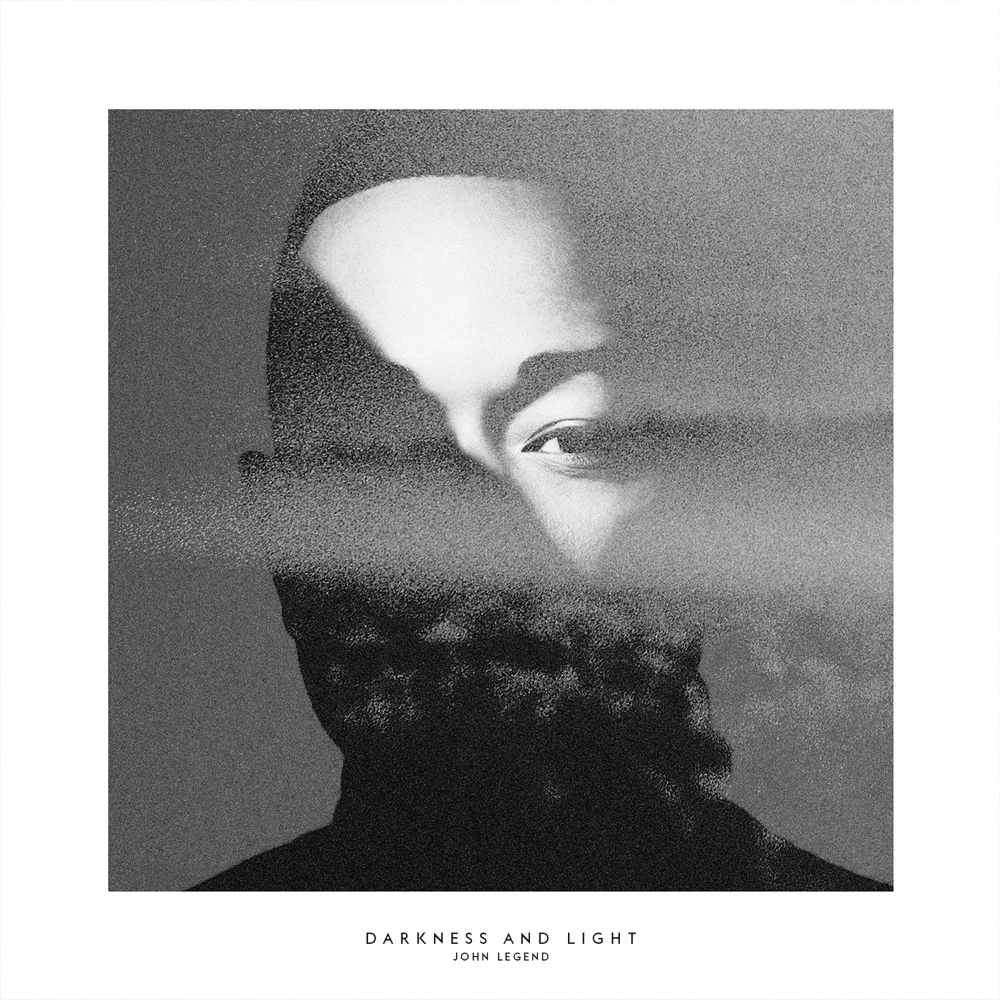
John Legend’s "Love Me Now" is a masterclass in modern R&B/Pop vocal delivery. From his album Darkness and Light, the song demands a singer who can transition from a conversational, rhythmic lower register to a soaring, powerful belt in the chorus.
To sing this well, you need to focus on open vowels and forward placement. The song sits in G# Minor, and while the range isn't impossible for most voice types, the sustained energy required for the chorus can lead to vocal fatigue if your technique is off.
AI Coach Tip: Watch Your Jaw Tension
On the repeated "Love me now" lines, singers often clench their jaw to reach the higher notes. This traps the sound. Practice the chorus while checking a mirror to ensure your jaw remains loose and dropped.
Phase 1: The Verses (Rhythm & Diction)
The verses ("Pulling me further...") are sung in the mid-lower range. The challenge here is rhythmic precision. John Legend sings slightly behind the beat (laid back), but his diction is crisp.
The Trap: Don't swallow your words. Keep the consonants sharp, especially on words like "further," "kiss," and "die." This creates the percussive element the song needs.
Phase 2: The Pre-Chorus (The Build)
As you move into "I don't know who's gonna kiss you when I'm gone," the intensity must rise. You are moving from a speaking volume to a calling volume.
- Breath Support: Take a deep, low breath before this section starts. You will need it for the long phrases leading into the chorus.
- Placement: Start moving the resonance from your chest to your "mask" (the front of your face) to prepare for the high notes.
Phase 3: The Chorus (The Belt)
This is the payoff. The line "Love me now" hits a strong B4. This requires a "mixed voice" approach—blending chest power with head resonance.
Avoid shouting. Instead, think of "calling out" across a street. Use a tall vowel shape (like "Ah" or "Uh") rather than a wide, smiley shape, which can thin out your tone and cause strain.
Frequently Asked Questions
The highest sustained chest/mix note is a B4. In the background vocals and ad-libs, John Legend occasionally flips into falsetto reaching C#5.
Yes, but the chorus might be at the very top of your chest range. You can use the Singing Coach AI app to transpose the track down -1 or -2 semitones to make it more comfortable.
Legend uses natural texture, but forcing rasp can damage your cords. Focus on emotional connection and clear tone first; let the texture happen naturally on the onset of words.