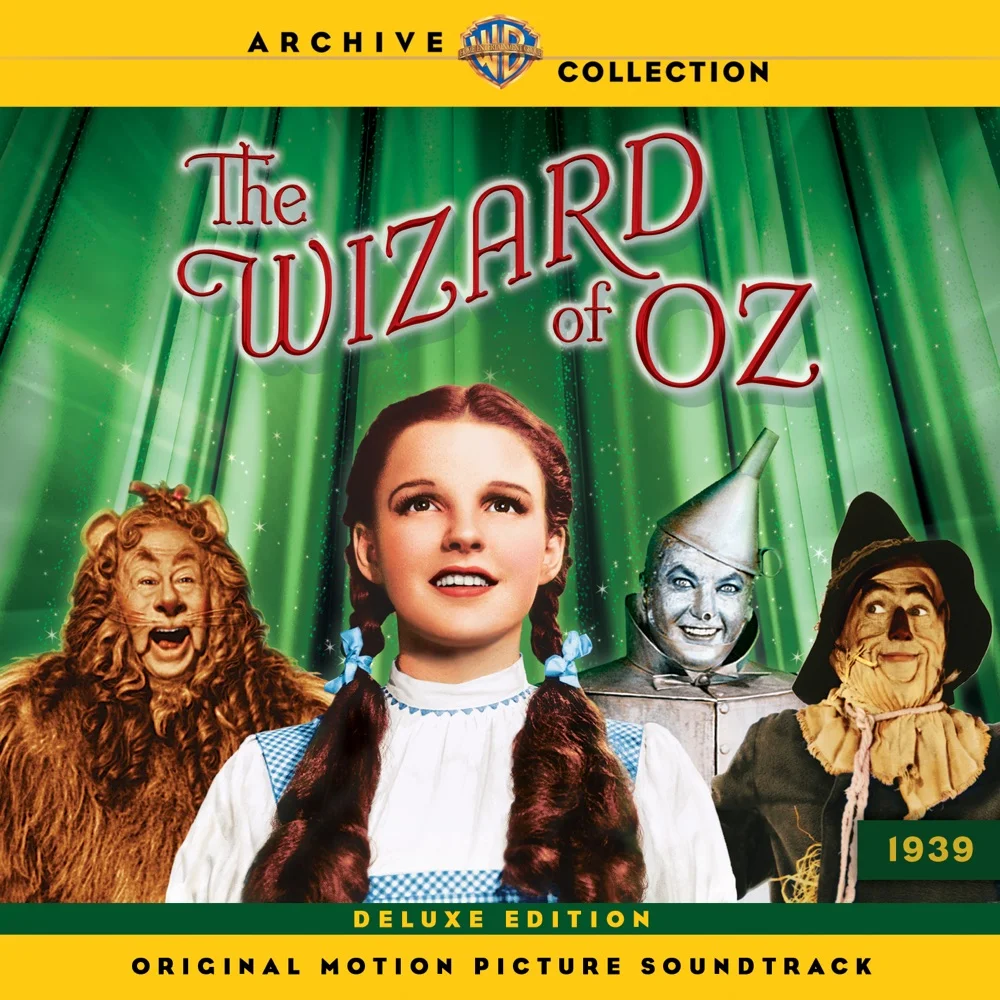
Welcome to Munchkinland
While brief, "Lollipop Guild" is one of the most recognizable musical cues in cinema history. Performed by The Munchkins (dubbed by adult studio singers speed-shifted to sound smaller) in the 1939 classic The Wizard of Oz, this track challenges singers to abandon their "pretty" voice in favor of extreme character stylization.
To score high on this track, you need to master "nasal twang"—a technique where you narrow the vocal tract to create a piercing, bright sound without actually pinching your nose. It requires rhythm, comedy, and breath control.
AI Coach Tip: Smile While Singing
To achieve the authentic Munchkin brightness, lift your soft palate and maintain a wide smile. This shortens the vocal tract and naturally brightens your formants, raising your style score.
Phase 1: The Introduction (0:00 - 0:08)
The song begins with the staccato declaration: "We represent the Lollipop Guild." This sits in the middle of the C Major scale.
The Trap: Many singers get lazy with their diction here. Every syllable must be detached and crisp. Think of the rhythm as a military march, but miniature. The AI Coach will penalize slurred consonants.
Phase 2: The Harmonies (0:08 - 0:15)
As the line repeats "The Lollipop Guild, The Lollipop Guild," the melody splits. If you are singing the top harmony (the most recognizable part), you are hitting a C5. This requires a pure head voice.
- Placement: Direct the sound right behind your front teeth.
- Volume: Do not shout. The "character" comes from the tone frequency, not the volume. Keep it mezzo-forte.
Phase 3: The Presentation (0:15 - 0:25)
The final line, "And in the name of the Lollipop Guild, we wish to welcome you to Munchkinland," returns to a unison chant. The challenge here is breath support while performing the physical "kick" (or at least sounding like you are!).
Keep your energy high right until the final cutoff. The last note should be short and abrupt, matching the visual comedy of the scene.
Frequently Asked Questions
No! The original recording used pitch-shifting tape tricks, but you can mimic the sound effectively using "twang" and a forward head-voice placement. It won't sound exactly like the tape, but it will be stylistically correct.
The melody hits a C5. It is accessible for most female voices and male tenors using falsetto. Baritones may need to use a strong falsetto reinforcement.
You are likely squeezing your throat to get the "high" sound. Instead, keep the throat open and use your tongue and soft palate to shape the sound. Think "nasal," not "squeezed."