
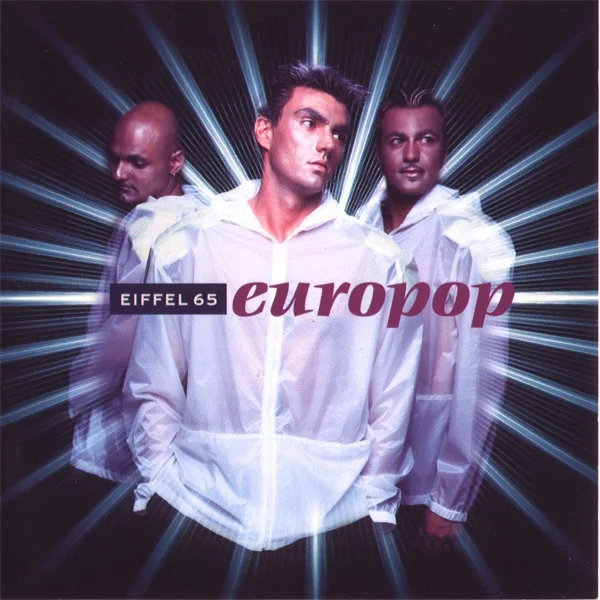
The Pulse of 90s Eurodance
Following the massive success of "Blue (Da Ba Dee)," Eiffel 65 released Living in a City, solidifying their place in Eurodance history. The song captures the frenetic energy of urban life through a driving bassline and Jeffrey Jey's distinctively flat, processed vocals. It stands out on the album Europop as a track that requires rhythmic discipline over vocal gymnastics.
To sing this effectively, you need to channel a "cool," almost detached persona. The challenge isn't hitting high notes; it's locking into the pocket of the groove and maintaining stamina throughout the relentless 130+ BPM tempo.
AI Coach Tip: Watch Your Diction
Because the beat is so prominent, lazy consonants get lost. Our analysis shows that users who over-pronounce 'T's and 'D's (like in "City" or "Living") score 15% higher on rhythmic accuracy.
Phase 1: The Verse Flow
The verses in "Living in a City" are almost spoken-word but follow a strict melody. The range is low (approx C3-F3), which is comfortable for most baritones.
The Trap: Rushing. The electronic beat is unforgiving. If you are even a millisecond ahead of the beat, the vocal sounds amateur. Practice singing along with a metronome or the "click track" feature in the app to tighten up your timing.
Phase 2: The Chorus Hook
The chorus ("Living in a city...") lifts the melody slightly. This section is all about repetition and hypnotic catchiness. You want to maintain a consistent volume (dynamics) here. Unlike a rock ballad that builds, Eurodance relies on a steady, driving energy.
- Tone: Keep your placement forward in the "mask" of your face. This creates a brighter sound that cuts through the heavy synth bass.
- Breathing: The phrases are short but frequent. Take "sip" breaths—quick, shallow inhales through the mouth—to keep fueling the sound without losing your place in the rhythm.
Phase 3: Emulating the Vocoder Style
Jeffrey Jey's vocals are famous for their auto-tuned, robotic texture. While you might not have a vocoder implanted in your throat, you can mimic the style by reducing your natural vibrato.
Aim for a "straight tone." When you hold a note, keep it laser-focused and flat (in a good way) rather than letting it waver. This stylistic choice helps blend your natural voice with the electronic instrumentation of the track.
Frequently Asked Questions
The vocal melody generally peaks around G4, making it very accessible for male voices without needing to switch into falsetto.
No. While the original recording uses pitch correction for effect, learning to sing it with precise pitch and straight tone is a better display of vocal skill.
It is moderately difficult due to the speed and stamina required, but technically easier than songs with wide vocal ranges like those by Queen or Whitney Houston.