The Anthem of Indie Pop Precision
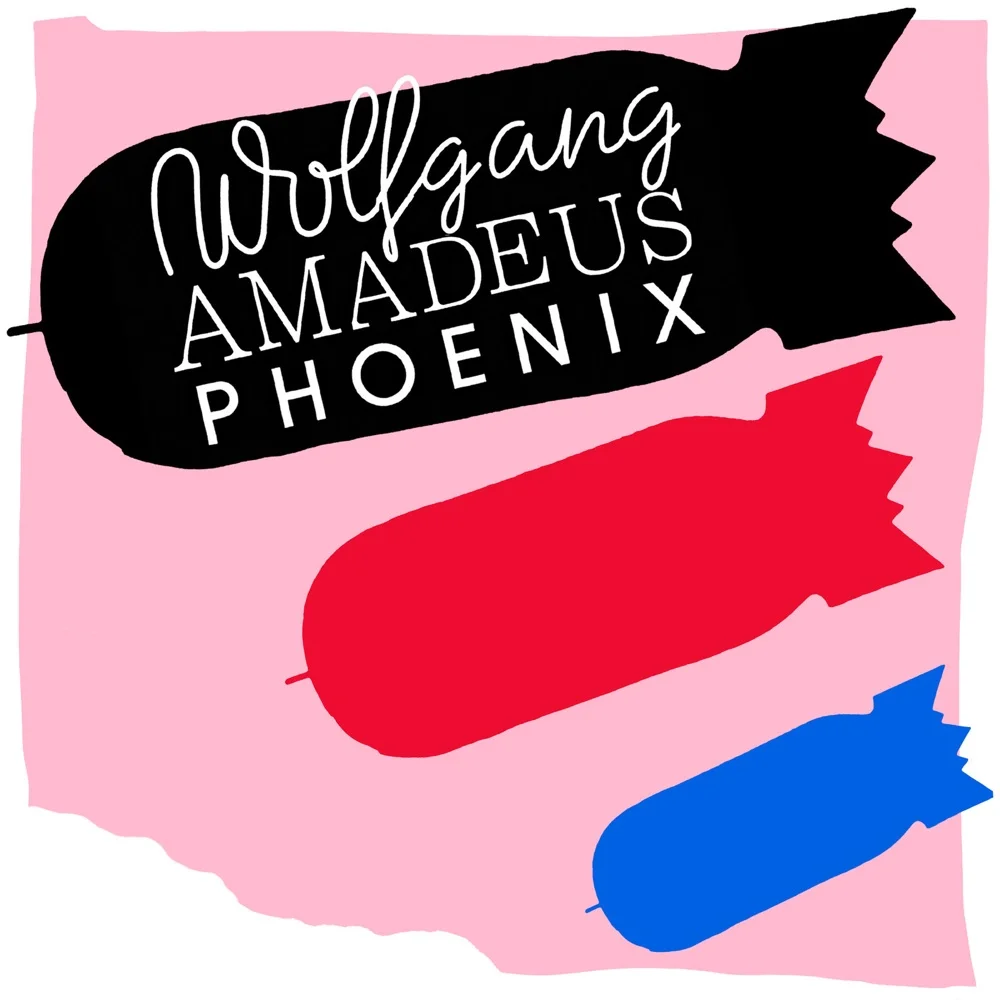
Lisztomania is the opening track of Phoenix's 2009 Grammy-winning album Wolfgang Amadeus Phoenix. It is defined by its infectious rhythm, bright synthesizer hooks, and Thomas Mars' distinct vocal delivery. Unlike powerful ballads, this song demands agility, breath control, and a specific "spoken-word" melodic quality.
The song is sung primarily in the upper chest register. The challenge lies in the rapid-fire delivery of lyrics without losing pitch accuracy or running out of breath. Let's break down how to capture that Parisian indie swagger.
AI Coach Tip: Watch Your Diction
The AI detects that many users slur words during the fast verses. Focus on crisp consonants, particularly the 't' and 'k' sounds in "Think less but see it grow" to keep in time with the snare drum.
Phase 1: The Staccato Verses (0:00 - 0:45)
The song starts immediately with vocals. The key here is "staccato"—short, detached notes. Mars doesn't drag out the melody lines.
The Trap: It is easy to sing flat when singing quickly. Keep your energy high and your soft palate lifted. Think of the vocal melody as a percussion instrument, locking in with the bassline.
Phase 2: The Pre-Chorus Build (0:45 - 1:00)
The lyrics "From the mess to the masses" signal a shift in dynamics. You need to start building volume here. The melody climbs slightly higher, requiring better breath support to avoid straining your throat.
- Breath Support: Take a deep, low breath before the line "Follow, misguide, stand still."
- Tone Color: Keep the sound bright and forward (near your teeth), rather than dark and swallowed.
Phase 3: The Chorus Hook (1:00 - 1:30)
The chorus ("Like a riot, like a riot, oh!") is the most energetic part of the song. It sits comfortably in a Tenor's higher chest voice (around A4/B4). If you are a Baritone, you may need to mix your head voice here to hit the notes without shouting.
To hit the "Oh!" comfortably, drop your jaw. A tight jaw will close off the sound and make the high note feel impossible. Relax the face and let the note ring out.
Frequently Asked Questions
The highest chest/mix note is generally considered a B4 during the high-energy chorus sections, though the melody frequently hovers around F#4 and G#4.
Thomas Mars has a subtle French accent that affects his vowel shapes (often brighter/flatter). While you don't need to fake an accent, keeping your vowels narrow and horizontal (like a smile) will help achieve the authentic indie tone.
The phrasing is dense. Use the Singing Coach AI app to identify the "micro-breaths" between phrases. You often only have an eighth-note beat to inhale.