
Mastering the Art of Vulnerability
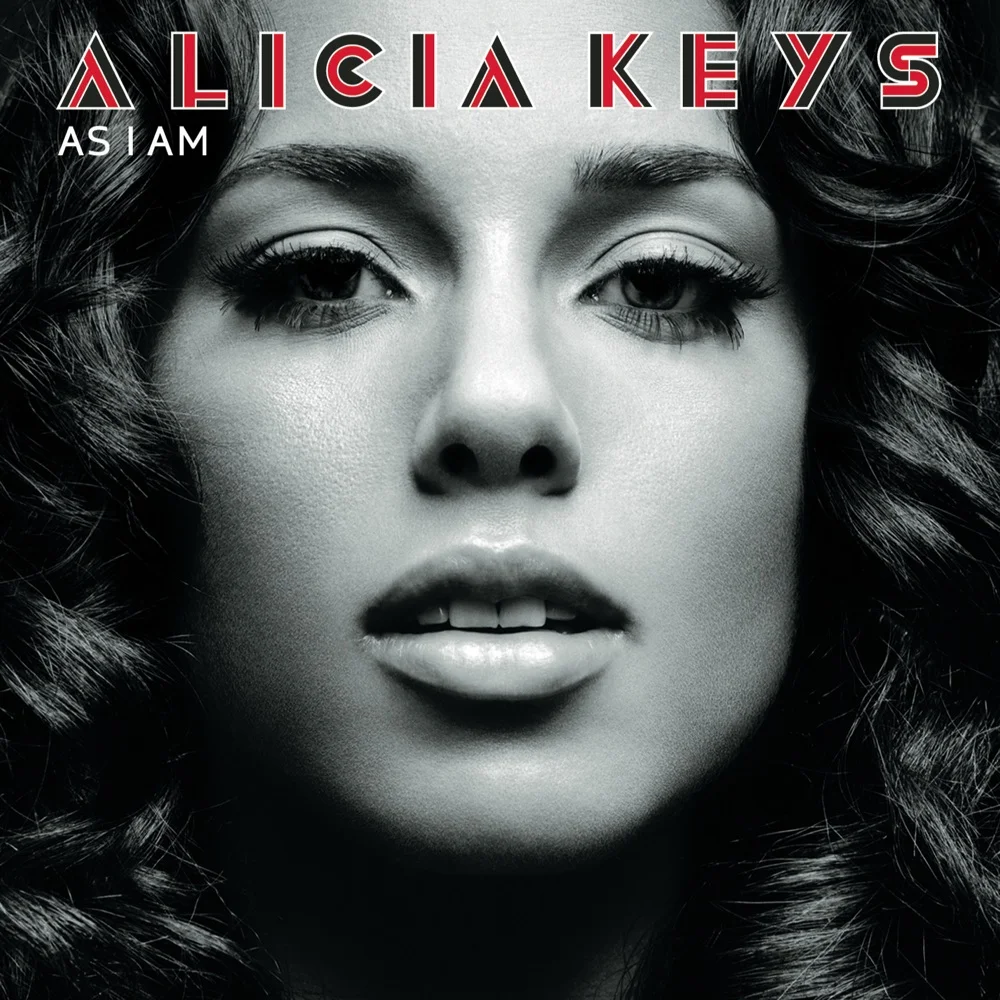
Like You’ll Never See Me Again is one of Alicia Keys' most emotive ballads from her album As I Am. Unlike high-energy pop tracks, this song relies heavily on texture, dynamics, and the ability to convey deep emotion. The challenge lies not just in hitting the notes, but in how you approach them.
To sing this well, you need to balance a warm chest voice in the lower verses with a bright, pleading mix in the chorus. It requires control over "airiness" without drying out your vocal cords. Let's break down the technique.
AI Coach Tip: Manage the Air
The verses are sung with a "breathy onset." Our analysis shows users often confuse breathiness with whispering. Ensure you still have cord closure behind the air to maintain pitch stability.
Phase 1: The Intimate Verses (0:00 - 1:15)
The song starts low and conversational. The line "He said I don't know..." sits comfortably in the chest register for most singers (down to E3/F#3). The goal here is intimacy.
The Technique: Keep your larynx neutral and allow the sound to resonate in your chest. Avoid "pushing" the sound; imagine you are speaking to someone right next to you.
Phase 2: The Chorus (1:15 - 2:30)
Here, the dynamics swell. On the line "I'm gonna love you," the melody lifts. You need to transition from that breathy texture to a clearer, more solid tone.
- Love You: Requires a smooth mix. If you take up too much chest weight, you will strain.
- Like You'll Never: Focus on legato phrasing. Connect the words smoothly rather than chopping them up.
- See Me Again: The tail end of the phrase often features a slight vibrato that widens at the end.
Phase 3: The Ad-libs and Climax (3:45 - End)
As the song builds, Alicia introduces complex riffs and higher belting (touching E5). The repetition of "So every time you hold me" requires stamina.
To execute the riffs safely, practice them on a vowel like "noo" or "mum" first to get the notes precise before adding the lyrics back in. This ensures your agility is driven by the cords, not by jaw movement.
Frequently Asked Questions
The highest belted notes reach up to E5 during the ad-libs/climax, though the main melody sits lower comfortably in the 4th octave.
While the low notes suit Altos and Mezzos well, Sopranos can sing this by focusing on strengthening their chest resonance. The Singing Coach AI app can also transpose the key up +2 semitones for higher voices.
The "rasp" should come from a relaxed vocal fry onset or controlled breathiness, not from squeezing the throat. Pushing for rasp can cause damage.