
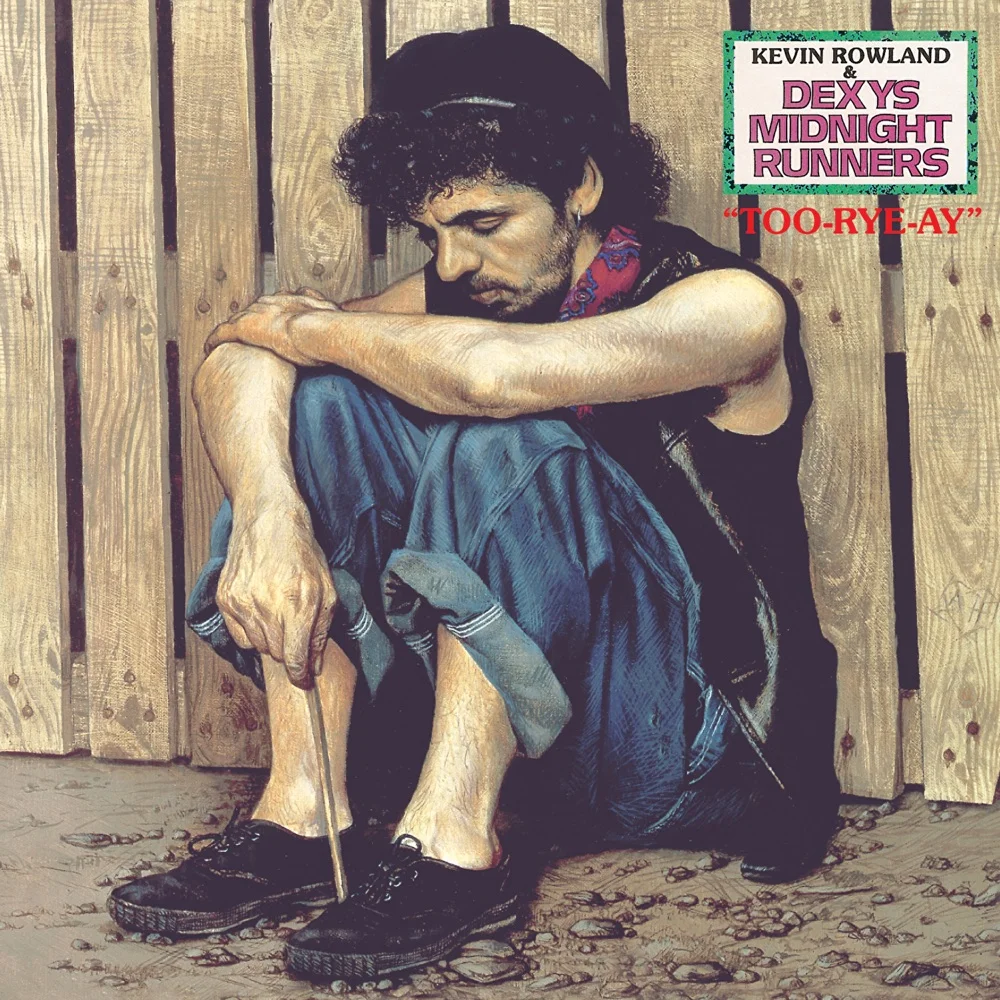
Mastering the "Celtic Soul" Emotion
"Liars A to E" is a standout track from the iconic Too-Rye-Ay album. While not as vocally acrobatic as some rock operas, it presents a distinct challenge: Kevin Rowland's deeply idiosyncratic, emotive delivery. The song is a journey from a whisper to a scream, requiring exceptional control over dynamics and tone.
To sing this authentically, you must abandon the desire for a "pretty" voice. Rowland's style is about raw honesty, often bordering on sobbing or shouting. The track builds slowly, supported by the famous Emerald Express strings and brass.
AI Coach Tip: Watch Your Dynamics
The song begins very softly. Our analysis shows users often come in too strong. Start with a breathy, almost spoken-word quality in the lower register before the brass section kicks in.
Phase 1: The Narrative Intro
The opening verses are conversational. The key is in G Major, but the melody meanders. Focus on clear diction but keep the vowels slightly "chewed" to mimic Rowland's accent and style. You are telling a story of bitterness and realization.
The Trap: Rushing the tempo. Rowland often sings slightly behind the beat (back-phrasing) to create tension. Listen closely to the snare drum and let your vocals float just behind it.
Phase 2: The Soulful Build
As the strings swell, you need to brighten your tone. This is the transition from the "mumble" to the "cry." Engage your diaphragm more here.
- The "Sob": A signature of this era of Dexys. Allow your voice to crack slightly or bend into notes from below.
- Volume: Increase your volume incrementally. Don't hit 100% power until the final chorus.
Phase 3: The Climax
By the end of the song, the polite singing is gone. You are in full chest voice, belting the refrain. The challenge here is stamina and maintaining pitch while projecting high energy. The top notes (around G4) need to feel desperate, not strained.
Use a "calling" placement—imagine you are shouting to someone across the street—to get that resonant, brassy tone that matches the saxophone lines.
Frequently Asked Questions
Kevin Rowland is generally considered a Baritone with a strong upper extension. He uses a lot of "heady" mix to reach higher notes with emotion rather than pure power.
It's all in the attitude. The "Celtic Soul" sound blends Motown energy with Irish folk storytelling. Don't be afraid to sound raw or imperfect; that is the style.
The verses might feel low for a high Tenor. You can use the Singing Coach AI app to transpose the track up +1 or +2 semitones to make the storytelling section more comfortable.