
The Voice of the Garage Rock Revival
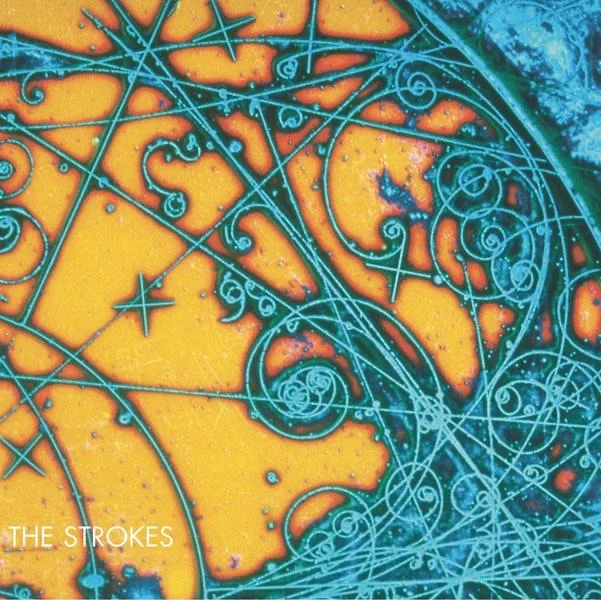
Released in 2001 on the seminal album Is This It, "Last Nite" is a masterclass in attitude. Julian Casablancas delivers a vocal performance that balances disaffected boredom with explosive, distorted passion. The track mimics the structure of Tom Petty's "American Girl," but the vocal delivery is pure New York City grit.
Singing this song isn't about operatic perfection; it's about rhythm, tone color, and the "lo-fi" aesthetic. The challenge lies in maintaining vocal health while emulating that distorted, overdriven sound.
AI Coach Tip: Distortion vs. Strain
Many singers ruin their voice trying to "scream" the chorus. The original recording used a small practice amp for distortion. To mimic this, use 'twang' and compression rather than pushing raw air volume. Let the microphone do the work.
Phase 1: The Verses (The "Lazy" Delivery)
The song starts in a comfortable baritone range (C3-G3). The delivery on lines like "Last night, she said" should be staccato and almost spoken. The pitch is less important here than the rhythm and the "too cool to care" attitude.
The Trap: Don't make it too melodic or pretty. Keep the vowels flat and the consonants sharp to cut through the mix.
Phase 2: The Chorus Explosion
When the band kicks in, Casablancas jumps up in intensity. The line "And she was there!" requires a sudden switch to a full chest belt. You need to open your mouth wider here to let the sound escape without tension.
- Rhythmic Precision: The vocals lock in with the guitar stabs. Dragging behind the beat will kill the energy.
- The "Yeah"s: These are often shouted. Support these from your diaphragm, not your throat.
Phase 3: The Solo & Outro
During the guitar solo, there are ad-libs and shouts that reach up to A4. This is the top of the range for most baritones. If you cannot hit this cleanly, it is better to drop into a gritty falsetto or transpose the song down slightly than to strain your vocal cords.
Frequently Asked Questions
Julian is a Baritone. His comfortable range is lower, but he pushes into a high chest mix for the aggressive parts of The Strokes' songs.
Ideally, it is a Medium difficulty song. The notes are not complex, but maintaining the stamina and the specific "distorted" tone quality without hurting your voice is the real challenge.
Start with a clean tone and slowly add "vocal fry" or a "grudge" sound to the beginning of words. Use the Singing Coach AI app to monitor if your volume is spiking too high, which indicates pushing.