
Seeing Life Through Rose-Colored Glasses
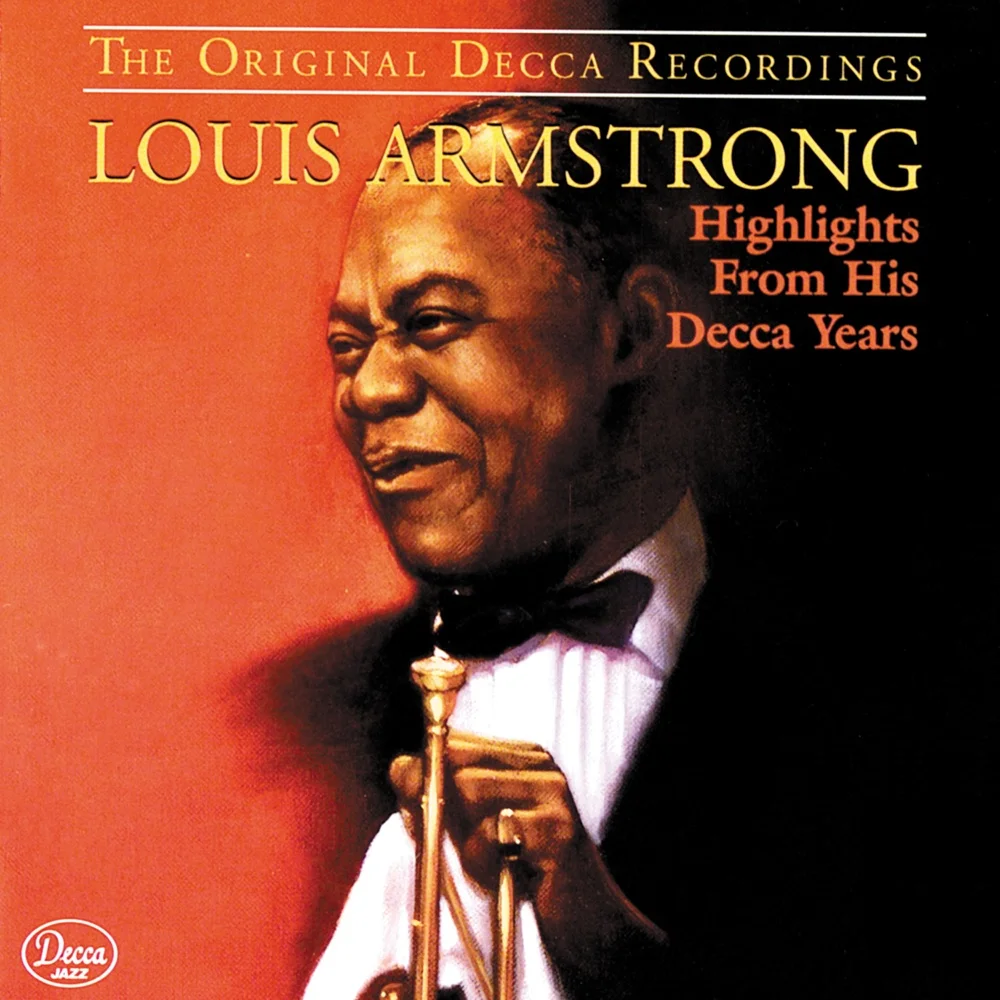
While Édith Piaf wrote and originally performed "La Vie en Rose" in 1946, Louis Armstrong's 1950 version transformed it into a timeless jazz standard for English speakers. Armstrong brings his signature gravelly voice and optimistic warmth to the track, stripping away Piaf's melodramatic vibrato and replacing it with a relaxed, swinging groove.
Singing this version isn't about vocal gymnastics; it's about texture and timing. The melody is relatively simple, staying within a comfortable octave range for most low voices. The challenge lies in capturing the "smile" in the sound.
AI Coach Tip: The "Gravel" Warning
Many singers hurt themselves trying to mimic Armstrong's rasp. If you feel scratching or tickling, stop. Try to achieve the sound by relaxing your vocal folds and adding more breath, rather than squeezing the throat.
Phase 1: The Intro (0:00 - 0:45)
Armstrong often starts with a spoken or half-sung introduction. When the singing proper begins ("Hold me close and hold me fast"), the placement should be deep in the chest. Unlike modern pop which sits "forward" in the mask, this should feel like it's resonating in your sternum.
The Trap: Don't rush. Armstrong is a master of singing "behind the beat." Listen to how he delays the start of phrases slightly, creating a laid-back, confident feel.
Phase 2: The Lyrics & Diction
The English lyrics by Mack David differ from the French original. Words like "magic spell" and "this is the life" need to be enunciated with a roundness. Armstrong had a unique way of chewing his vowels. Practice smiling widely while singing the "Ah" and "Oh" sounds to brighten the tone, balancing out the deep rasp.
Phase 3: The Emotion
This is a love song, but in Armstrong's hands, it's joyous rather than desperate. The dynamics should remain largely mezzo-forte (medium loud). Avoid shouting. The power comes from the resonance, not the volume.
If you cannot naturally produce the gravelly distortion, don't force it. It is better to sing with a clean, warm tone and focus on the jazz phrasing (the swing) than to damage your vocal cords trying to imitate the "Satchmo" growl.
Frequently Asked Questions
The vocal melody peaks around an E4 (above middle C), making it very accessible for Baritones and Basses.
Yes, but you will need to transpose it. The Singing Coach AI app allows you to shift the key up +5 or +7 semitones to fit a higher register while keeping the jazz feel.
Armstrong swings deeply. If you are singing too "straight" (like a march), it will sound wrong. Practice snapping your fingers on beats 2 and 4 to get into the groove.