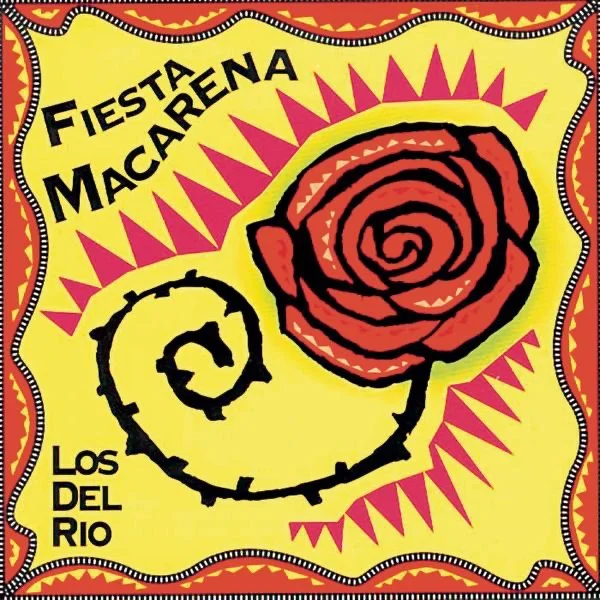
Mastering the Sevillanas Style
La Nina Del Panuelo Rojo by Los Del Rio is a quintessential example of the Sevillanas genre—folk music from Seville often associated with festivals and dance. While Los Del Rio are famous for "Macarena," this track highlights their roots in traditional Andalusian music.
Singing this track isn't about hitting incredibly high notes; it's about rhythm (compás), diction, and attitude (salero). The vocals sit in a comfortable Baritone range, but the challenge lies in the rapid delivery and the specific Spanish inflection required to make it sound authentic.
AI Coach Tip: Watch Your Diction
Because the tempo is upbeat, singers often slur the Spanish lyrics. Our analysis shows that keeping your tongue forward and enunciating consonants sharply improves your rhythmic accuracy score significantly.
Phase 1: The Rhythm (Compás)
The foundation of this song is a strict 3/4 time signature. Unlike modern pop where you might sing "behind the beat" for effect, Sevillanas require you to be locked in with the guitar strumming.
The Trap: Rushing the triplet feel. When the lyrics get dense, there is a tendency to speed up. Practice clapping the beat while speaking the lyrics slowly before adding melody.
Phase 2: The Tone and Register
Los Del Rio utilize a bright, forward chest voice. It's not heavy or dark; it needs to "cut" through the sound of clapping (palmas) and guitars.
- Placement: Aim for a "mask" resonance (feeling the vibration in your nose and cheekbones). This gives the sound that characteristic Flamenco-pop brightness.
- The "Quejío": While this is a happier song, adding slight vocal inflections or "cries" at the end of phrases adds emotional depth typical of the genre.
Phase 3: Energy and Dynamics
This is a festive song meant for dancing. If you sing it with low energy, it falls flat. You need to maintain a strong volume (mezzo-forte) throughout, especially in the chorus hooks.
The harmonies usually run in parallel thirds. If you are singing with a partner or recording a cover, ensure the harmony line doesn't overpower the melody line. The AI app helps identify which line you are tracking.
Frequently Asked Questions
The highest chest-voice note typically hits around an E4 or F4, making it very accessible for most male voices without needing to falsetto.
Yes, it features Andalusian Spanish pronunciation. You may notice dropped 's' sounds at the end of words, which is stylistically correct for this genre.
Absolutely. If the A Minor key feels too low or high, you can transpose the track in the Singing Coach AI app to fit your tessitura better.