
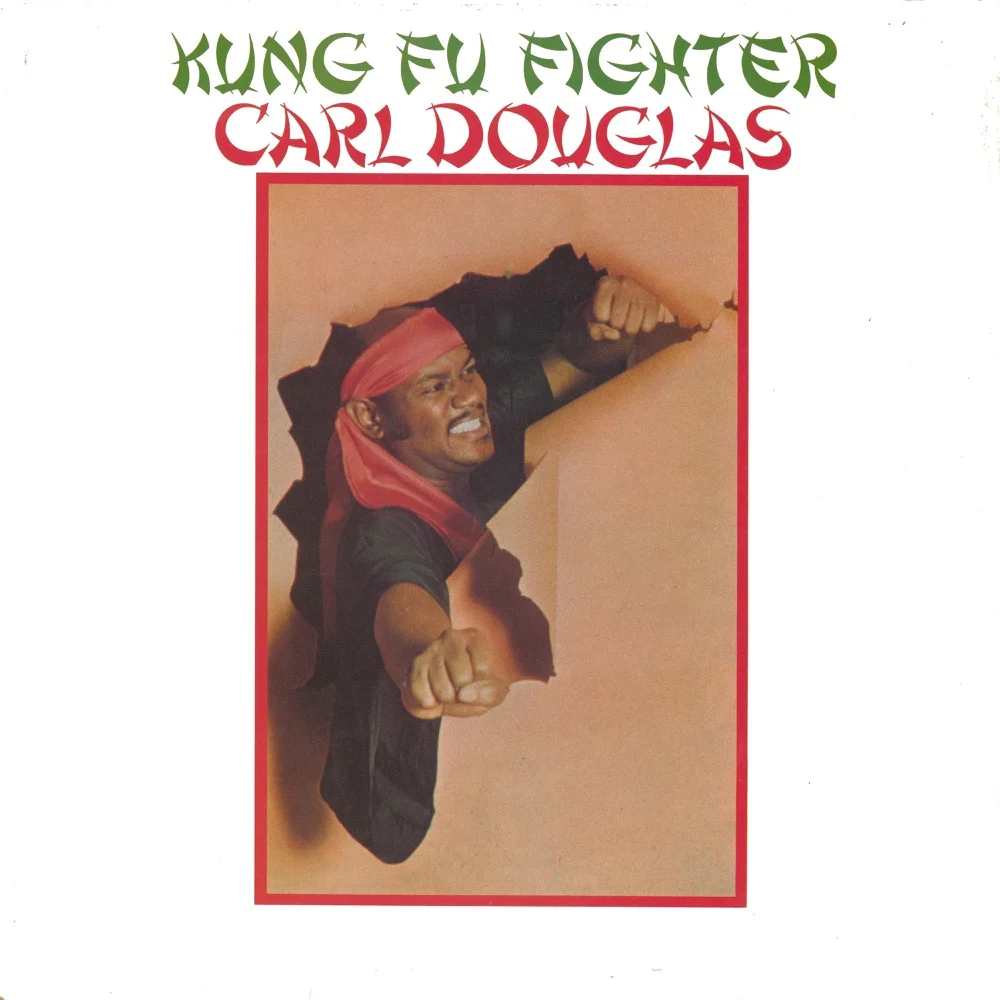
The Ultimate Disco Anthem
Released in 1974, "Kung Fu Fighting" became a worldwide phenomenon, topping charts in the UK and US. It’s a prime example of early disco with a heavy funk influence. For a vocalist, this song isn't about hitting high notes—it's about rhythm, character, and sustaining high energy for three minutes straight.
To sing this well, you need to lock into the groove. Carl Douglas delivers the verses with a cool, almost spoken rhythmic cadence, while the choruses require a punchy, staccato delivery. Let's break down the technique.
AI Coach Tip: Diaphragm Support
The famous "Hoo! Ha!" grunts aren't just noise; they are rhythmic percussion. Use your diaphragm to punch these out clearly. Many users lose points here for being off-beat or too quiet.
Phase 1: The Intro & Grunts
The song starts with an oriental riff followed by Douglas's iconic "Oh-hoh-hoh-hoah". This vocal run sets the tone. It needs to be open and resonant in your chest voice. Following this, the rhythmic "Hoo! Ha!" sounds must be sharp. Do not drag them out; treat your voice like a snare drum.
The Trap: Getting winded early. The song is fast (approx 116 BPM). Keep your breathing shallow and frequent between phrases.
Phase 2: The Verses (Storytelling)
The verses ("There was funky China men from funky Chinatown") sit comfortably in the mid-range. The challenge here is diction. The lyrics move quickly, and you need to enunciate consonants like 'k', 't', and 'ch' clearly to cut through the bassline.
Adopt a "cool" persona. The delivery should feel relaxed but right on the beat, slightly behind it (layback) creates a funkier feel, but be careful not to drag.
Phase 3: The Chorus Hook
"Everybody was Kung Fu Fighting..." This line is iconic. The melody jumps up slightly here. Ensure you hit the notes cleanly on "fast as lightning." The word "lightning" is often sung staccato (detached notes). This contrast with the smooth bassline makes the vocals pop.
The line "In fact it was a little bit frightening" descends in pitch. Keep the energy up even as the notes go down; don't let the end of the phrase mumble away.
Frequently Asked Questions
The core melody goes up to roughly an E4 or F#4 in the ad-libs. It is very accessible for most male voices without needing falsetto.
Yes! This song is perfect for Baritones. If you are a Bass, you can sing it with even more grit. If you are a Soprano/Alto, you can sing it an octave higher or transpose it using the Singing Coach AI app.
Focus on the drums, specifically the snare. Practice speaking the lyrics in time with the beat before trying to sing the melody.