
An Anthem of Resilience
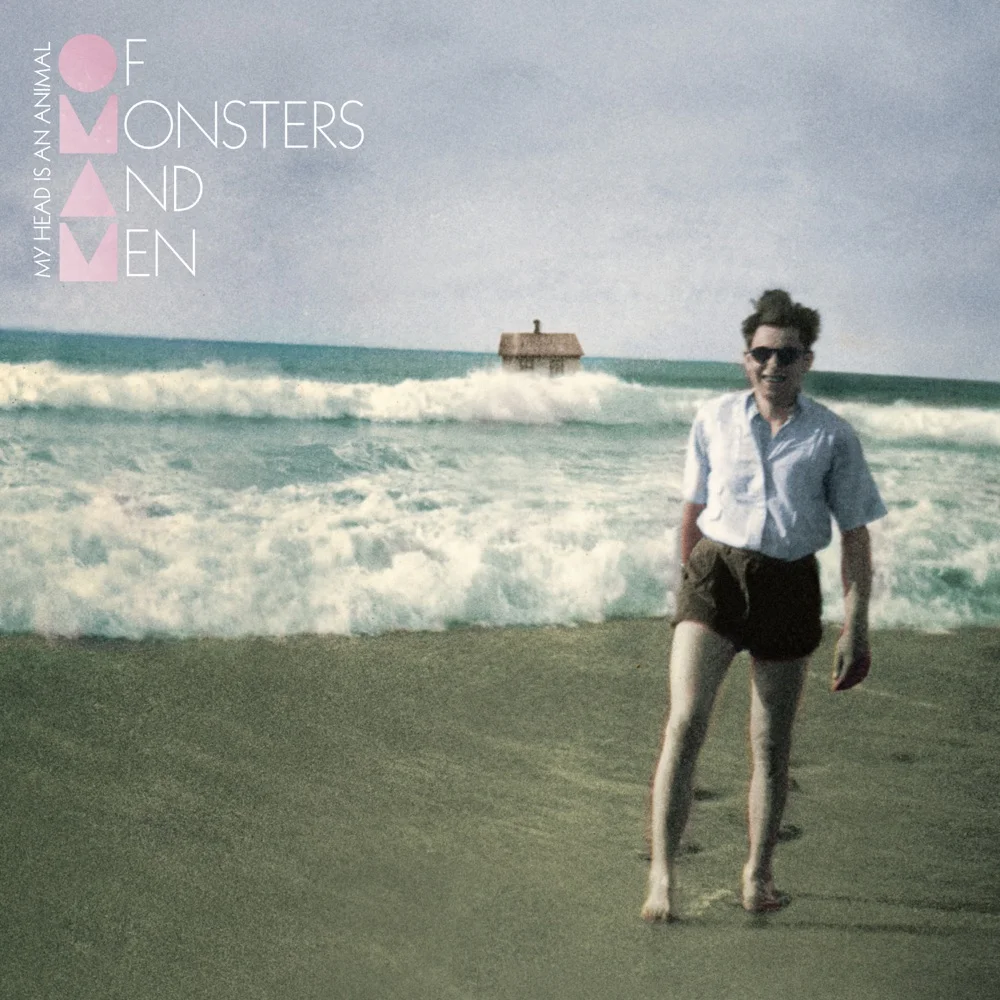
King and Lionheart is a definitive track of the 2010s indie-folk revival. Featured on Of Monsters and Men's debut album My Head Is an Animal, it is characterized by its driving beat, atmospheric storytelling, and the interplay between Nanna Bryndís Hilmarsdóttir's lead vocals and Ragnar Þórhallsson's backing harmonies.
Unlike power ballads that require extreme range, this song demands texture, stylized pronunciation, and endurance. The challenge lies in maintaining the emotional energy without letting the pitch waver during the repetitive, chanting sections.
AI Coach Tip: Vowel Shaping
Nanna uses unique, "tall" vowels. When singing "taking over" or "lionheart," drop your jaw vertically rather than spreading your lips wide. This creates that darker, resonant indie-pop tone.
Phase 1: The Verses (Storytelling)
The song begins in E Major. The verses sit in a lower, conversational register for Nanna (approx G#3). The key here is clarity and a slight breathiness without losing core support.
The Trap: It's easy to mumble the lower notes. Ensure you are enunciating clearly on lines like "Taking over this town, they should worry." Keep the sound forward in the mask of the face, even when singing quietly.
Phase 2: The Anthemic Chorus
The energy shifts drastically here. The lyrics "And as the world comes to an end" require a confident chest-dominant mix. You aren't belting at your absolute limit, but you need to project over the swelling instrumentation.
- Volume: Increase dynamic intensity, but don't shout. Think of it as "calling out" to someone across the street.
- Pitch: The melody hovers around B4 and C#5. If this feels tight, try to visualize the notes as staying grounded rather than reaching up high.
- Rhythm: The phrasing is very rhythmic and staccato. Do not drag the tempo.
Phase 3: Harmonies and Texture
A huge part of the Of Monsters and Men sound is the duet aspect. Ragnar often sings a harmony a third below or in unison an octave down. Using the Singing Coach AI app, you can isolate these harmony lines to practice them individually before blending with the lead vocal.
The "Hey!" chants in the background are crucial for the vibe. These should be short, sharp, and diaphragm-driven.
Frequently Asked Questions
The lead vocal is ideal for a Mezzo-Soprano or a high Tenor. The range is generally manageable, sitting comfortably between F#3 and C#5.
It comes down to vowel modification and attack. Avoid strict classical technique; allow for some stylistic scoops and a more relaxed, conversational pronunciation.
Yes, though it sounds best with the backing tracks provided in the Singing Coach AI app, which fill in the group vocals and harmonies that make the song iconic.