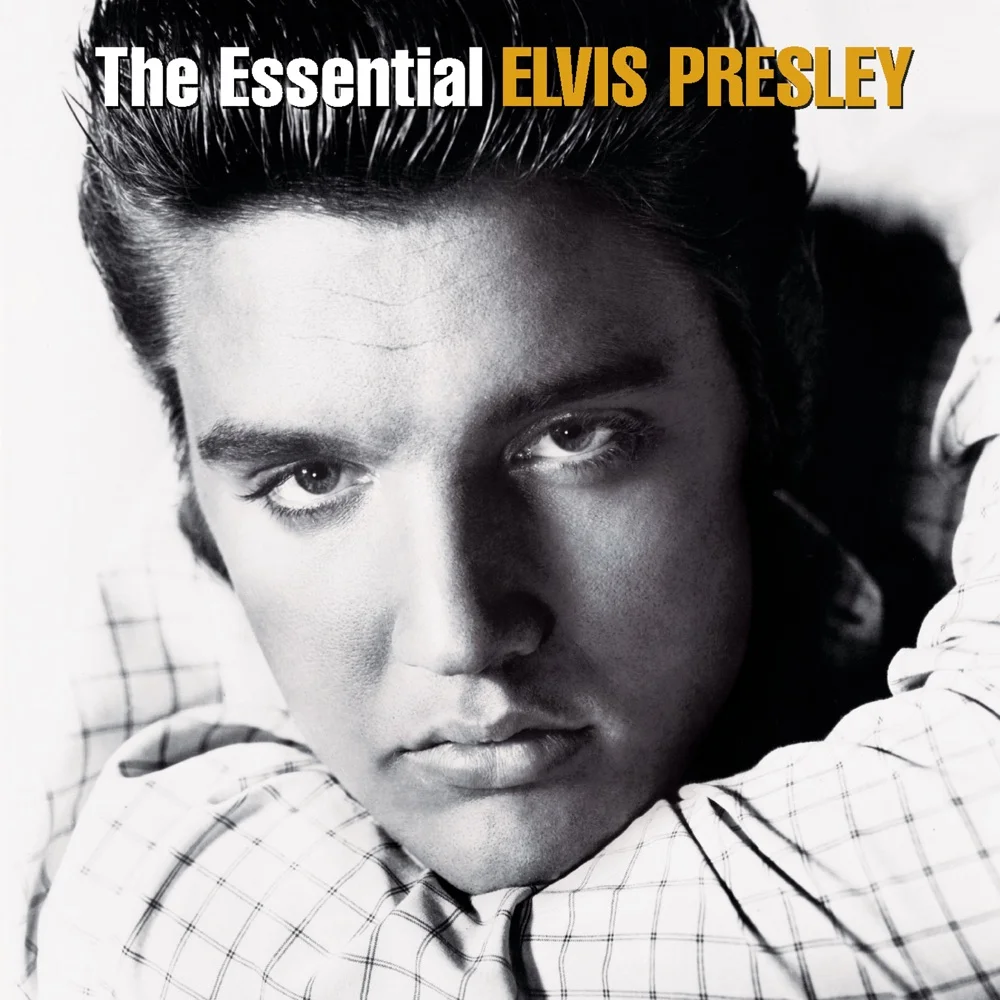
The Anthem of Rock 'n' Roll
Jailhouse Rock is widely considered one of the greatest rock and roll songs ever recorded. Released in 1957 to coincide with Elvis Presley's movie of the same name, it features a driving beat, a classic 12-bar blues structure, and a vocal performance that oozes attitude.
While the range isn't excessively high compared to modern pop, the difficulty lies in the *delivery*. Elvis uses a specific combination of slurring, hiccups, and aggression that is hard to replicate without sounding like a caricature. Let's break down how to sing it authentically.
AI Coach Tip: Watch the Stops
The verses feature "stop-time" rhythm where the band cuts out completely. This exposes your voice entirely. Keep your internal metronome strict; if you rush the lyrics "The warden threw a party in the county jail," you will be off-beat when the drums kick back in.
Phase 1: The Stop-Time Verses
The song opens with an explosion of drums, then drops to silence for the vocal entry. The lyrics are delivered in rapid-fire bursts. Articulation is key here, but it's an "Elvis" articulation—meaning some vowels are swallowed for style.
Technique: Focus on percussive consonants. Attack the "P" in "party" and the "J" in "jail." The notes are centered around the tonic (Eb), so pitch is less of a worry than rhythmic placement.
Phase 2: The Chorus (The Hook)
This is where the band joins in full swing. The line "Let's rock, everybody, let's rock" requires a shift in energy. You need to move from the conversational tone of the verse to a shouted, melodic belt.
- Everybody: Elvis slides up into this word. Practice a "scoop" from a lower note into the pitch.
- Cell Block Number Four: Keep the energy high here. This section sits comfortably in the chest voice for most male singers.
- Dancing to the Jailhouse Rock: The final word "Rock" is often clipped short to punctuate the rhythm.
Phase 3: Adding the "Grit"
To sound like the King, you can't sing too cleanly. You need a bit of distortion or "grit." This is achieved not by screaming, but by constricting the false vocal cords slightly while maintaining good breath support.
Be careful not to overdo it. The grit should accent specific words, not cover the entire song. Think of it as seasoning rather than the main course.
Frequently Asked Questions
The original recording is in E Flat Major (Eb). It follows a standard blues progression.
The melody tops out around Eb4, though there are some shouts and ad-libs that might feel higher due to the energy. It is very accessible for Baritones.
The lyrics are dense. Use the brief pauses in the stop-time rhythm to take quick "snatch breaths" so you have enough air to punch the end of the phrase.