
The "Thunder and Lightning" of Synth-Pop
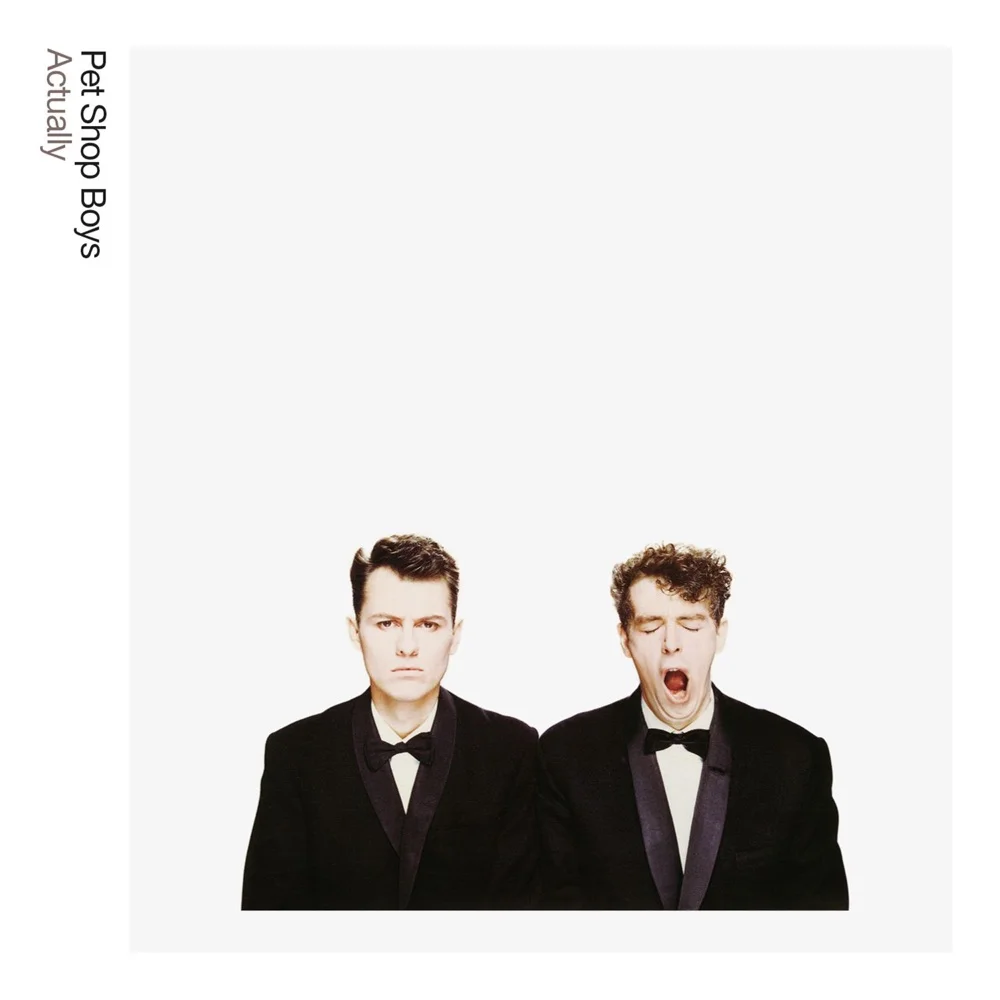
Released in 1987 as the lead single from the album Actually, "It’s a Sin" is a vocal stamina test wrapped in a dance track. Neil Tennant delivers a confessional narrative about his Catholic upbringing, contrasting guilt-ridden lyrics with a euphoric, high-energy beat.
To sing this correctly, you must balance the "deadpan" delivery of the verses with the soaring intensity of the chorus. It is less about vocal gymnastics and more about precision, tone placement, and unshakeable rhythm.
AI Coach Tip: Placement is Key
Neil Tennant uses a "mask" placement (nasal resonance) to cut through the heavy synthesizers. If you sing too deep in your chest, you will sound muddy. Aim your sound towards your nose and cheekbones.
Phase 1: The Verses (Narrative Drama)
The verses ("When I look back upon my life...") sit in a comfortable speaking range. However, do not get lazy. You need to treat this almost like a theatrical monologue.
The Technique: Enunciate every consonant. Tennant’s diction is crisp. Avoid slurring words together. Keep the volume moderate, allowing the tension to build naturally toward the chorus.
Phase 2: The Chorus Hook
The transition to "It’s a, it’s a, it’s a, it’s a sin" is the most challenging part of the song. The pitch jumps up, and the rhythm becomes urgent.
- The Attack: Do not slide up to the notes. Hit the pitches cleanly and squarely.
- The Tone: Use a bright mix voice. If you try to belt this with heavy chest voice, you will likely fatigue before the song ends.
- Breath: The chorus is repetitive and fast. Plan your breaths ("catch breaths") between the repeated phrases to ensure you don't run out of air.
Phase 3: The Bridge & Outro
The song features a dramatic bridge and the famous Latin passage ("Confiteor..."). While the Latin is often backing vocals, the lead vocal must maintain high intensity over the instrumental breaks. The song is nearly 5 minutes long at a high BPM, so pacing yourself is crucial. Keep your larynx neutral and your jaw relaxed to survive the final minute.
Frequently Asked Questions
The main melody reaches up to a G4. While not extremely high for a Tenor, the sustained nature of the notes and the fast tempo make it demanding.
Focus on a brighter, more "nasal" tone rather than a deep, resonant chest voice. Think of speaking the lyrics on pitch rather than "singing" them in a classical sense.
It is medium difficulty. The range is accessible, but the breath control required for the fast tempo is the real challenge. The Singing Coach AI app can help track your timing accuracy.

