
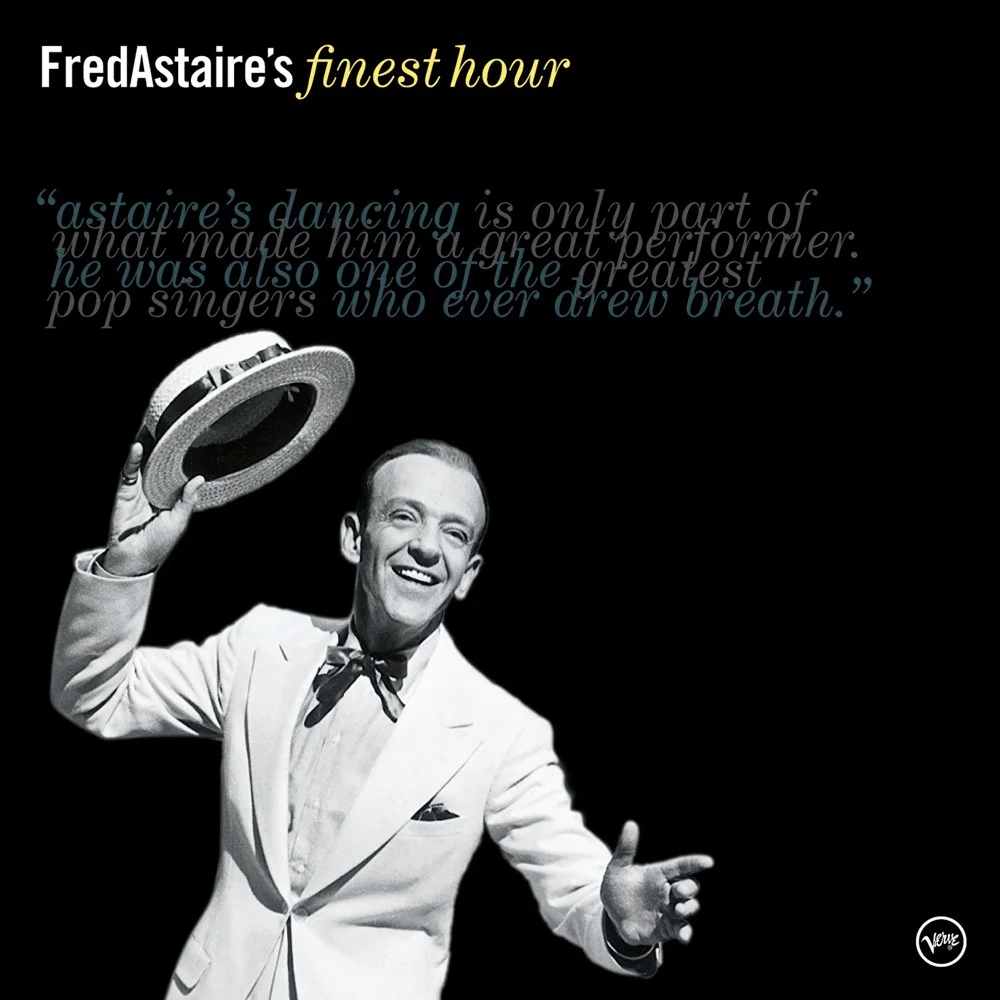
Mastering the Art of the "Croon"
Written by Irving Berlin for the 1935 film Top Hat, "Isn’t This a Lovely Day?" is a masterclass in conversational singing. Unlike modern pop or rock anthems, this song doesn't require massive lung capacity or high belts. Instead, it demands impeccable timing, clear diction, and a "smile" in the voice.
Fred Astaire was not a power singer, but he is widely considered one of the greatest interpreters of American standards. To sing this well, you must resist the urge to push. The goal is to sound like you are speaking the lyrics to a close friend, just happening to hit the right notes.
AI Coach Tip: The "Parlando" Technique
Our analysis shows many users sing the verse too strictly on the beat. Try the "Parlando" (speaking) style—allow the rhythm of the words to dictate the flow, slightly delaying or anticipating the beat for a relaxed feel.
Phase 1: The Verse (The Setup)
The song begins with a long verse: "The weather is frightening..." This section sets the scene. It sits low in the range and should be delivered almost like a monologue. Keep your volume at a conversational level (mezzo-piano).
The Trap: Don't make it sound boring. Even though the melody is simple, use the consonants to add percussive interest. Emphasize words like "frightening," "lightning," and "brook."
Phase 2: The Chorus (The Charm)
When the famous line "Isn't this a lovely day to be caught in the rain?" arrives, the mood lifts. The melody ascends, and the tone should brighten significantly.
- Resonance: Raise your soft palate and maintain a slight smile. This brightens your timbre, giving it that classic Astaire charm.
- Legato: Connect the words smoothly. Imagine a continuous stream of air flowing through the phrase "You were going on your way."
- Vowel Shaping: Keep vowels narrow and tall to maintain pitch accuracy in the mid-range.
Phase 3: The Stylistic Finish
The song doesn't end with a bang; it ends with a sentiment. The final phrases should slow down (ritardando). The last note should not be held with intense vibrato but rather faded out gently into a breathy finish.
To capture the essence of the 1930s style, focus on the "slide" between notes. Don't hit every note robotically; allow a subtle portamento (slide) on intervals like "cloud" to "break."
Frequently Asked Questions
The melody generally peaks around an F4. It is very manageable for Baritones and Tenors without needing to switch into falsetto.
While Fred Astaire tap danced during the instrumental break, your vocal performance should carry enough rhythm that the listener feels the dance without seeing it.
If the verse feels too low ("The weather is frightening"), ensure you aren't tucking your chin. Keep your head level and use chest resonance to keep the sound warm, not fry-like.