
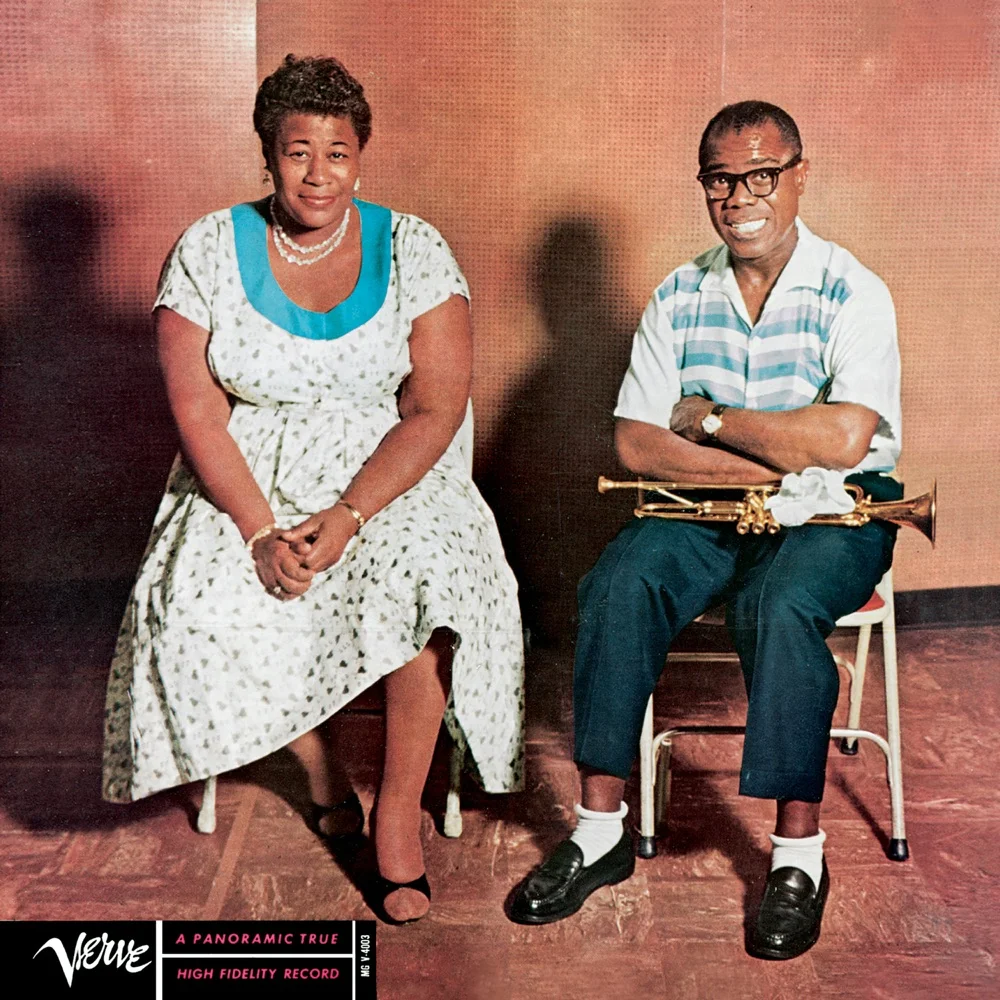
A Masterclass in Chemistry and Phrasing
"Isn’t It a Lovely Day?" is a standout track from the legendary 1956 album Ella and Louis. Unlike modern pop songs that rely on dynamic peaks and high belts, this track is all about subtlety, charm, and the interplay between two distinct vocal textures. It is an exercise in restraint.
Written by Irving Berlin, the song demands a "conversational" approach. If you try to sing this like a power ballad, you will miss the essence of the genre. You need to focus on swing rhythms, clear diction, and a warm, smiling resonance.
AI Coach Tip: The "Smile" Technique
To capture Ella's bright, youthful tone, try singing with a slight lift in your cheekbones (a gentle smile). This shortens the vocal tract slightly, brightening the resonance without raising the pitch.
Phase 1: The Conversational Opening
The song begins with a verse that feels almost spoken. The challenge here is pitch accuracy within a very narrow range. You must maintain a steady stream of air without pushing volume.
The Trap: Many singers rush the tempo here. Jazz is often sung slightly "back" or behind the beat. Listen closely to how Ella drags the ends of her phrases ever so slightly to create a relaxed atmosphere.
Phase 2: Louis's Phrasing (The Gravel)
When Louis enters, the texture changes entirely. His voice is rich with subharmonics. If you are singing his part, do not try to manufacture artificial "rasp" by squeezing your throat, as this causes damage.
- Texture: Instead of squeezing, think of a "creaky door" (vocal fry) at the very bottom of your range, but keep the airflow loose.
- Rhythm: Armstrong plays with the beat, often coming in late and catching up. The AI Coach measures your rhythmic flexibility here.
Phase 3: The Harmonies
The magic happens when the two voices join. Ella takes the high, clear melody, while Louis provides a grounding bass/baritone harmony. The contrast is what makes it work.
To nail the blend, the lower voice must be supportive but not overpowering. Keep your volume at a 4/10 while the lead voice sits at a 6/10. Listen for the thirds and sixths in the harmonic structure—they create that sweet, nostalgic jazz sound.
Frequently Asked Questions
The melody is quite contained, rarely exceeding a C5. The challenge isn't the height of the notes, but the control and tone quality required to sing them softly.
Yes. You can choose to sing either the lead melody (Ella's start) or switch roles. The Singing Coach AI app allows you to mute one vocal track so you can fill in the other.
Jazz often uses chromatic passing notes. Practice the scales slowly on a "Nu" sound to ensure you aren't sliding (glissando) too much, but hitting the center of each pitch.