
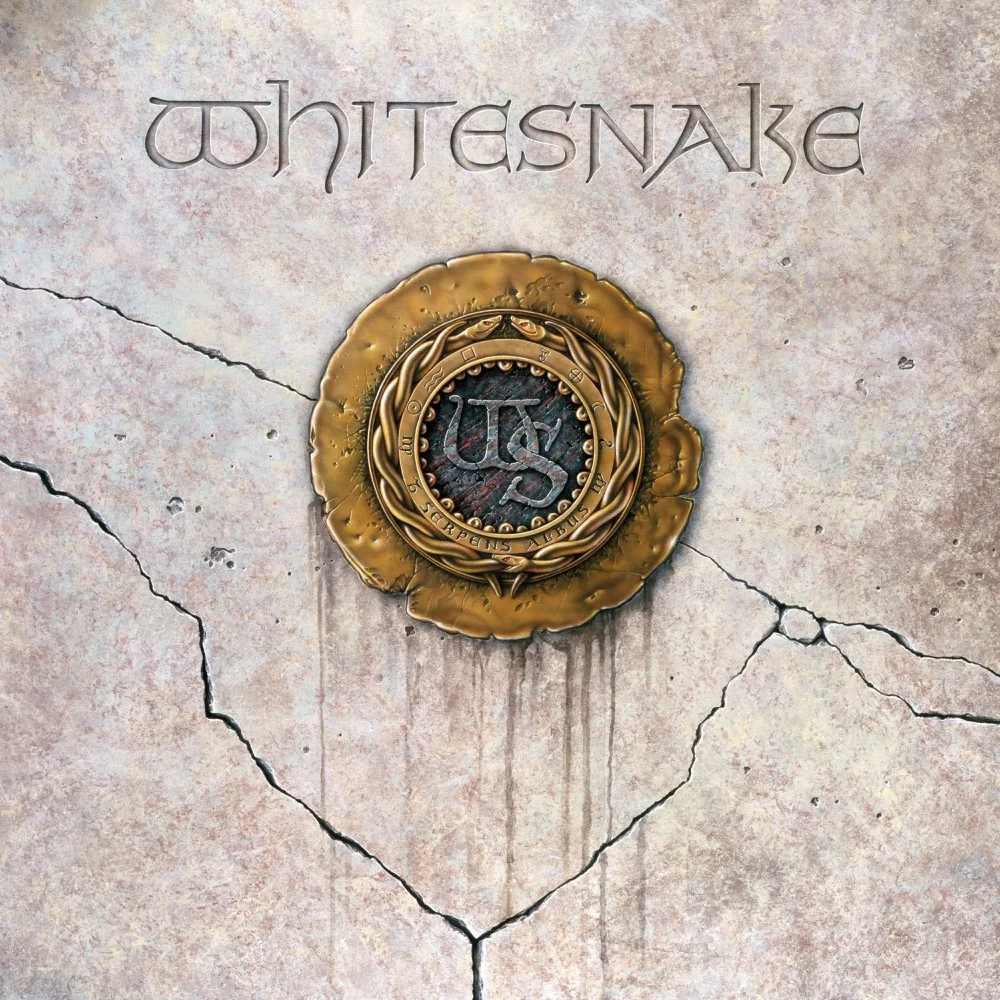
The Definitive 80s Power Ballad
"Is This Love" by Whitesnake is a masterclass in dynamic control. Released on the 1987 self-titled album, this track showcases David Coverdale's unique ability to sound like a rich, resonant Baritone in the verses and a soaring Tenor in the chorus. It is one of the most commercially successful power ballads of all time.
To sing this correctly, you must master the art of "texture." The song isn't just about hitting the notes; it's about the breathiness of the intro versus the grit of the chorus. Let's break down the vocal roadmap.
AI Coach Tip: Watch Your Diction
Coverdale uses a very specific, slightly exaggerated diction. On lines like "I can't hide," soft consonants kill the mood. Aim for crisp articulation but keep the vowel shapes dark and rounded.
Phase 1: The Verses (The "Sultry" Lows)
The song begins in E Minor. The verses ("I should have known better...") sit comfortably in the B2 to E3 range. This is often where singers get lazy.
The Technique: Don't just speak these notes. You need to use a "breathy" tone without losing support. If you lose support, you will sound flat. Think of sighing into the note. Keep your larynx neutral or slightly low to get that signature deep resonance.
Phase 2: The Pre-Chorus Climb
As the lyrics move to "I've been waiting for a girl like you," the melody begins to climb. This is the transition zone. You need to start reducing the breathiness and adding "cry" or "twang" to your voice.
- Volume Control: Don't get too loud too fast. Save the volume for the chorus.
- Placement: Move the resonance from your chest up into the "mask" (behind the nose) to prepare for the high notes.
Phase 3: The Chorus Belt (B4 Power)
The chorus ("Is this love that I'm feeling") centers around G4 and hits a powerful B4. This is the peak of the song.
To achieve the grit on "Is this love," you need high breath pressure but a relaxed throat. If you squeeze your throat, you will strain. Try to visualize the sound traveling over the roof of your mouth. The "grit" comes from the false cords, not from grinding your vocal cords together.
Frequently Asked Questions
The core melody hits a powerful belted B4. There are ad-libs and harmonies that go higher, but B4 is the "money note" you need to hit in the chorus.
Rasp should come from "twang" and compression, not friction. Start with a clean 'witch-like' sound (nya-nya) and relax it into the note. Never push if it hurts.
It's a perfect bridge song. The low verses are great for Baritones, but the chorus requires a strong mixed voice or belt, which Tenors might find easier. Both can sing it effectively.