Mastering the Art of "Sprechgesang"
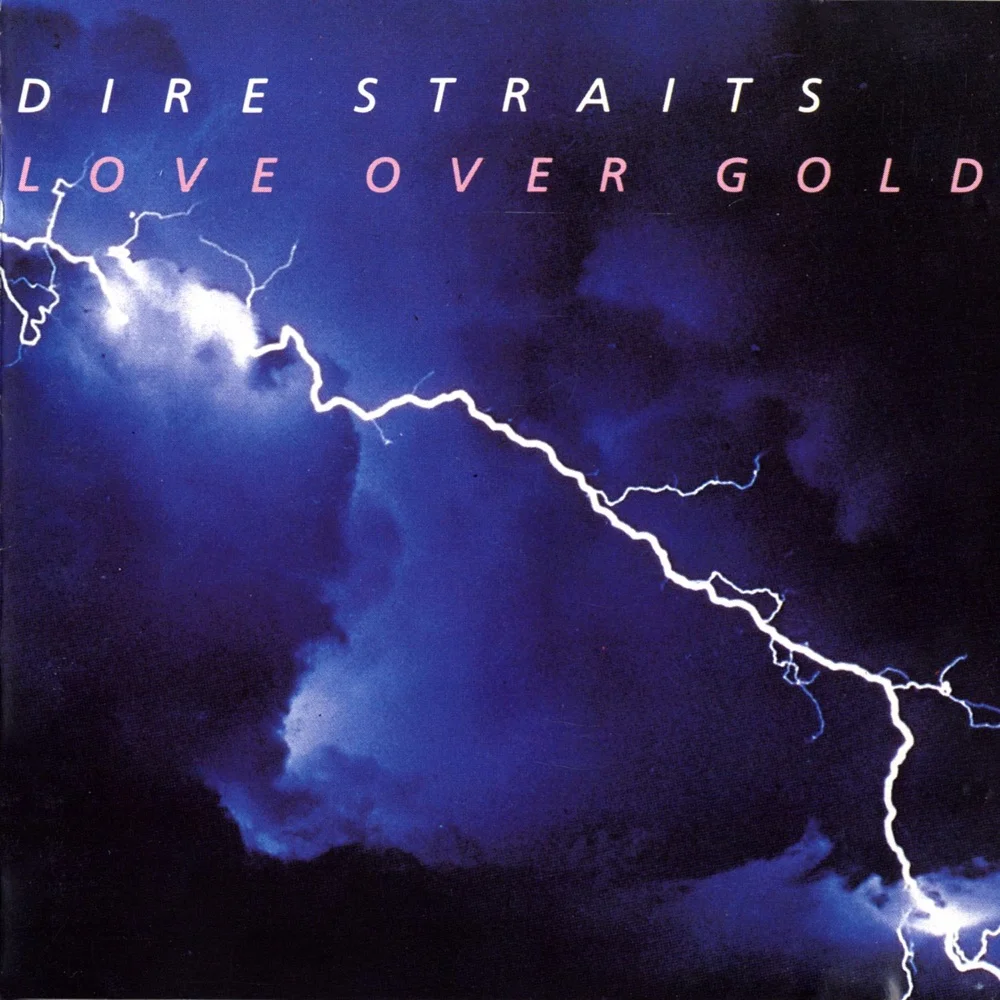
Industrial Disease, from the 1982 album Love Over Gold, is a masterclass in satire and character work. Unlike high-flying rock anthems, this song requires you to embody the persona of a cynical observer. Mark Knopfler uses a technique called Sprechgesang—a vocal style between speaking and singing.
To score high on this track, you need to abandon the need for perfect melody and focus entirely on rhythmic phrasing, diction, and tone. It is less about "singing pretty" and more about "delivering the news."
AI Coach Tip: Keep it Dry
Many singers use too much vibrato here. Our analysis shows that a "flat," vibrato-less delivery matches Knopfler's style best. Imagine you are reading a manifest, not singing a ballad.
Phase 1: The Narrative Verses
The verses ("Warning lights are flashing down at Quality Control...") are delivered in a low Baritone register (roughly B2-A3). The challenge here is the syncopation. You aren't just speaking over the beat; you are interacting with the synthesizer pulse.
The Trap: Rushing. Because the vocal line is spoken, it's easy to get ahead of the beat. Use the Singing Coach AI visualizer to ensure your consonants hit exactly on the 16th notes.
Phase 2: The Character Voices (The Doctor)
In the middle section, Knopfler introduces a dialogue: "Doctor, Doctor, tell me what I am." Here, you should shift your tone. The narrator sounds desperate, while the doctor ("I don't know how to tell you this...") should sound detached and clinical.
- Narrator: Use more breathiness and urgency.
- Doctor: Use a cleaner, slightly higher pitch with very crisp diction.
Phase 3: The Chorus Hook
The refrain "Industrial Disease" acts as a rhythmic anchor. It is sung, not spoken, usually centering around F#3 and G#3. This is the only part of the song where you should introduce a slight melodic curve to contrast with the monotonous verses. Ensure you hit the final "s" in "Disease" cleanly to close the phrase.
Frequently Asked Questions
The song sits comfortably in the Baritone range, roughly B2 to E4. It rarely goes higher, making it accessible for singers with lower voices.
Pitch-wise, it is easy. However, maintaining the rhythmic "pocket" while speaking is deceptively difficult. It requires the timing of a drummer.
The verses are wordy. Practice "catch breaths"—short, quick inhales through the mouth at punctuation marks—to keep the momentum going without gasping.