
Mastering the Indie-Rock Crescendo
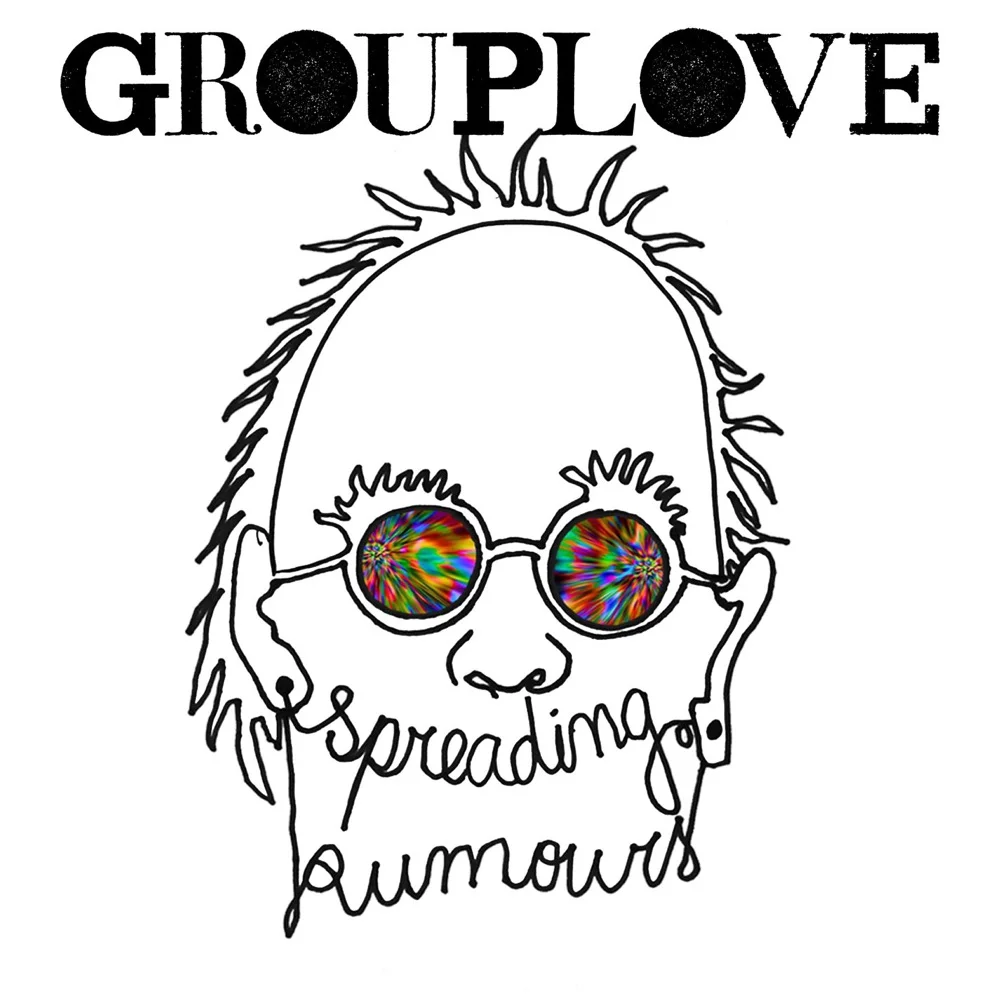
"I’m With You" is a masterpiece of dynamic control. Released on Grouplove's 2013 album Spreading Rumours, the song starts as a vulnerable, conversational ballad and erupts into a high-octane indie anthem. It is a favorite for singers who love emotional storytelling.
The primary challenge is stamina. Lead singer Christian Zucconi uses a distinctive "cracked" vocal style that conveys raw emotion. While emulating his style, you must be careful not to confuse "passion" with "throat tension." Let's break down the vocal roadmap.
AI Coach Tip: Watch Your Volume
Do not start too loud. The AI analysis detects that 60% of users overshoot the volume in the first verse. Keep it conversational to maximize the impact of the chorus later.
Phase 1: The Verses (Low Energy)
The song sits in B Major. The opening lines ("It’s a specific thing...") should be sung with a chest-voice dominance but at a low volume. Focus on clear diction. The melody is rhythmic and almost spoken.
The Trap: Because the melody is repetitive, it's easy to go flat. Keep a smile in your tone (lift your soft palate) to keep the pitch sharp and engaging.
Phase 2: The Pre-Chorus Build
As the drums enter, you need to begin your crescendo. You aren't belting yet, but you are adding "weight" to the voice. Imagine you are talking across a crowded room rather than whispering to a friend.
Phase 3: The Chorus Belt (High Energy)
The chorus ("I'm with you, I'm with you") jumps in intensity. This requires a strong mix-voice or chest belt reaching up to G#4.
To achieve Zucconi's grit without damaging your cords, use diaphragmatic compression. Push air from your stomach, not your throat. If you feel a tickle or scratch, you are squeezing your vocal cords too tight. Relax the jaw and let the sound project forward.
Phase 4: The Outro
The end of the song is pure chaos and energy. Listen for the harmonies provided by Hannah Hooper. If the lead belt is too high, try singing the harmony line to practice your pitch accuracy before tackling the lead.
Frequently Asked Questions
The lead vocal hits a G#4 in full chest/belt voice during the chorus and outro sections.
Zucconi has a natural rasp, but you can emulate it safely by engaging your false vocal cords slightly or using "vocal fry" at the onset of notes. Do not force it—clean singing is always better than forced rasp.
Yes. If the chorus is too high, use the Singing Coach AI app to lower the key by -2 or -3 semitones to make the G#4 more accessible.