
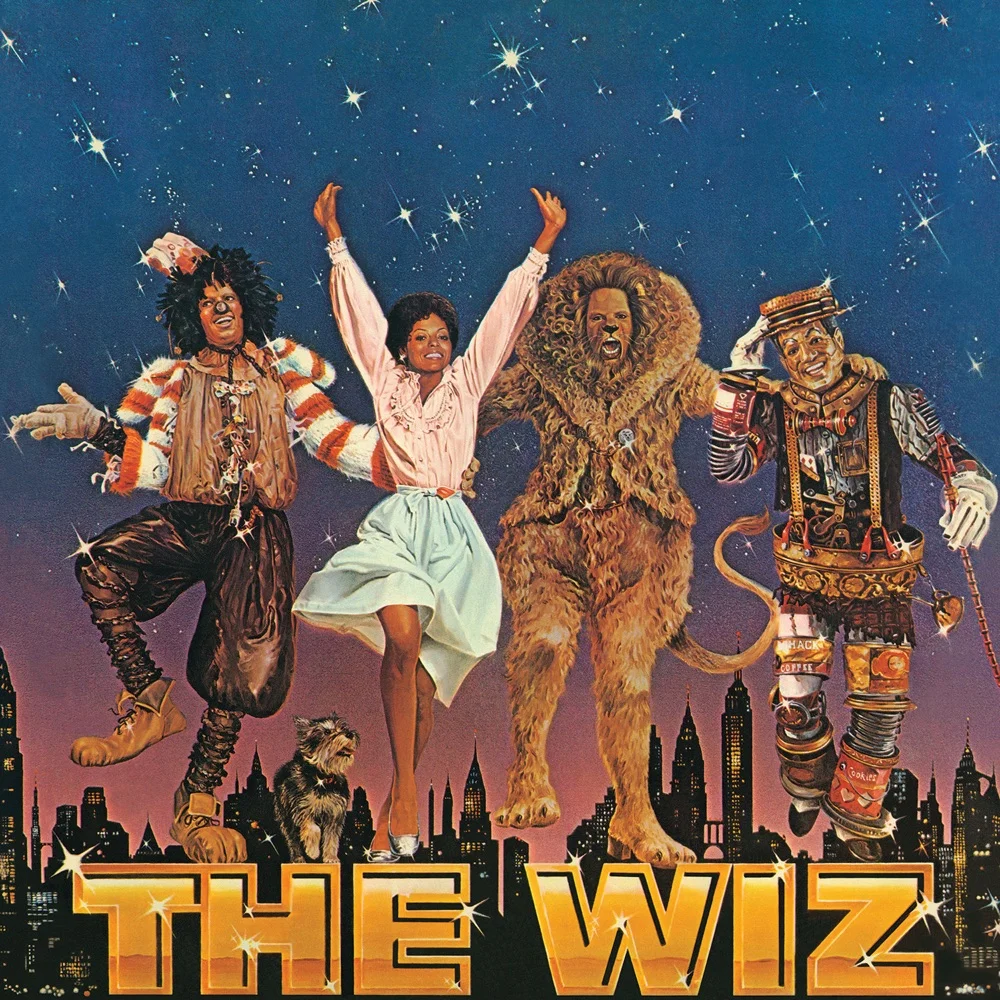
King of the Urban Jungle
"I’m a Mean Ole Lion" is a masterclass in character singing. Performed by Ted Ross in the 1975 musical The Wiz (and the 1978 film adaptation), this song reinvents the Cowardly Lion as a soulful, funky figure trying to project false confidence. It combines the grit of 70s funk with the storytelling of Broadway.
To sing this well, you need to channel your inner "tough guy" while maintaining a locked-in rhythm. The vocals sit squarely in the Baritone chest range, requiring more attitude than vocal gymnastics. Let's break down how to capture that specific sound.
AI Coach Tip: Pitch vs. Growl
Many singers lose their pitch accuracy when trying to add the "growl" or character voice. Our analysis shows it's better to sing the note clean first, then layer the texture on top once the intonation is secure.
Phase 1: The Funky Pocket (0:00 - 0:45)
The song starts with a driving bassline. Your vocal entry needs to be punchy and staccato. When singing lines like "And I'm ready to fight," avoid dragging the notes. You want to be slightly "behind the beat" to create that laid-back, soulful pocket, but your consonants must be sharp.
The Trap: Don't slur the words. Ted Ross enunciates clearly even while acting tough. This diction is what makes the comedy land.
Phase 2: The Character Acting (0:45 - 1:30)
This section is about texture. You'll hear distinct "growls" or vocal fry at the start of phrases. This is a theatrical technique to sound intimidating.
- The Growl: Engage your false cords gently to create a rumble without hurting your throat. Think of clearing your throat in slow motion.
- Dynamics: Sudden bursts of volume on words like "BAM!" or "POW!" help sell the physical comedy of the character.
Phase 3: The Big Finish (1:30 - End)
As the horns build, the vocals need to open up. You will move from the spoken-singing style into full melodic belting. The sustained notes here (up to F4) need full chest resonance. Don't flip into falsetto; keep it grounded and earthy to maintain the Lion's persona.
Support your breath from the diaphragm to hold the ends of phrases without wobbling. This shows the Lion's strength, even if it is just a façade!
Frequently Asked Questions
Use "vocal fry" (the creaky door sound) combined with strong breath support. Do not squeeze your throat. If it tickles or hurts, stop immediately and rest.
Yes, but it may lack the natural "weight" of a Baritone voice. Tenors should focus on thickening their tone and using more chest resonance to sound bigger.
The standard version is in F Minor, which gives it that dark, funky, serious-yet-playful vibe.

