
The Anthem of Defiance
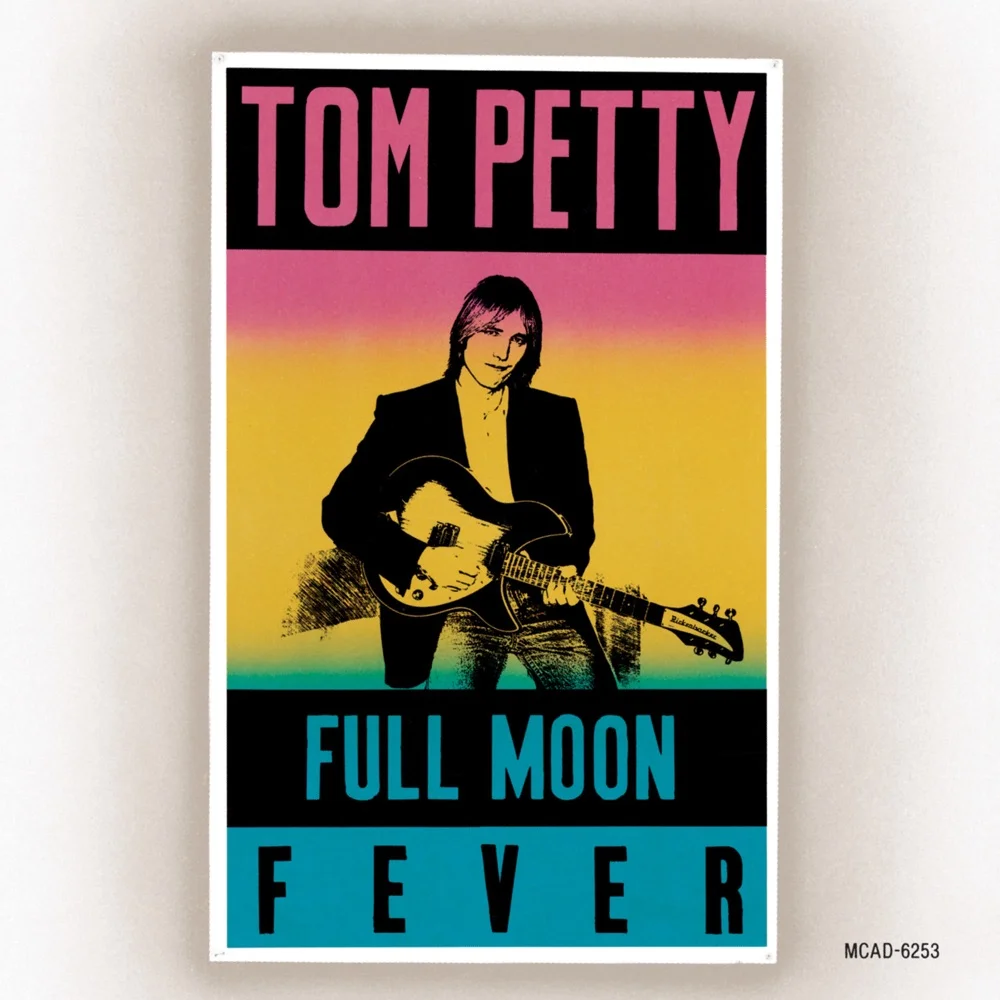
"I Won't Back Down" is the first single from Tom Petty's 1989 solo album Full Moon Fever. Unlike the vocal acrobatics of Queen, this song relies on stoic delivery, steady rhythm, and a specific vocal placement. The song is simple in structure but deceptive in execution.
To sing this authentically, you need to strip away vibrato and operatic technique. This song is about talking to the listener with conviction. It sits comfortably in the chest voice for Tenors and Baritones, but requires good breath control to maintain the steady, driving feel.
AI Coach Tip: The "Nasal" Twang
Tom Petty's signature sound comes from pharyngeal resonance (often called "twang"). Try smiling slightly while you sing the verses to lift the soft palate and brighten the tone without shouting.
Phase 1: The Verse (Low & Steady)
The verses ("Well I won't back down...") sit in the lower end of the range (around F#3). The challenge here is clarity. Do not let the pitch drop or become "muddy" because you are relaxed.
The Trap: Many singers rush the phrasing. Petty sings slightly "behind the beat," giving the track its laid-back cool. Listen to the snare drum and lock your consonants in with it.
Phase 2: The Chorus (The Lift)
The energy lifts significantly here. The line "Hey baby" jumps up to G4. This is the highest note in the main melody. You need to open your mouth wider here (vertical drop of the jaw) to hit this note cleanly without straining your throat.
- There ain't no easy way out: Ensure you articulate the "t" at the end of "out" to keep the rhythm tight.
- Stand my ground: Drive through this line with more volume (mezzo-forte). This is the emotional core of the song.
Phase 3: The Slide
Petty uses vocal slides (portamento) frequently. On the words "back down," there is often a slight slide down from the pitch. However, be careful not to make it sound sloppy. The AI Pitch Tracker looks for a solid center pitch before the slide off.
Frequently Asked Questions
The highest chest-voice note in the main melody is a G4 (on the words "Baby" and "Down"). It is a very achievable high note for most male voices.
Yes. The range is narrow (one octave), and the melody is repetitive, allowing you to focus on tone and rhythm rather than complex scales. It is an excellent song for learning breath support.
Focus on a brighter, more "forward" placement in your face mask. Avoid a dark, classical chest sound. Think "rebellious" rather than "pretty."